
Pygmy Date Palm Care Guide
Pygmy Date Palm (Phoenix roebelenii) is one of the most popular small palms for both indoor and outdoor use. Its graceful arching fronds, manageable size of 6 to 10 feet at maturity, and tolerance for container growing make it versatile across a wide range of settings. It is native to Southeast Asia and naturally grows along stream banks and in moist, alluvial soils, which directly informs its care requirements.
Site and Light
Outdoors: Full sun to part shade. Pygmy Date Palm produces its best, most compact form in full sun. Part shade is tolerated but produces a more open, elongated growth habit. Hardy to USDA zone 9b (approximately 25 to 30 degrees F for brief periods). In zone 9a and colder, grow in a container and bring indoors before frost.
Indoors: Bright indirect light with some direct sun. A south or east-facing window provides ideal conditions. Low-light positions cause etiolated, sparse growth and increase susceptibility to spider mites. Rotate the pot quarterly so all sides of the canopy receive even light exposure.
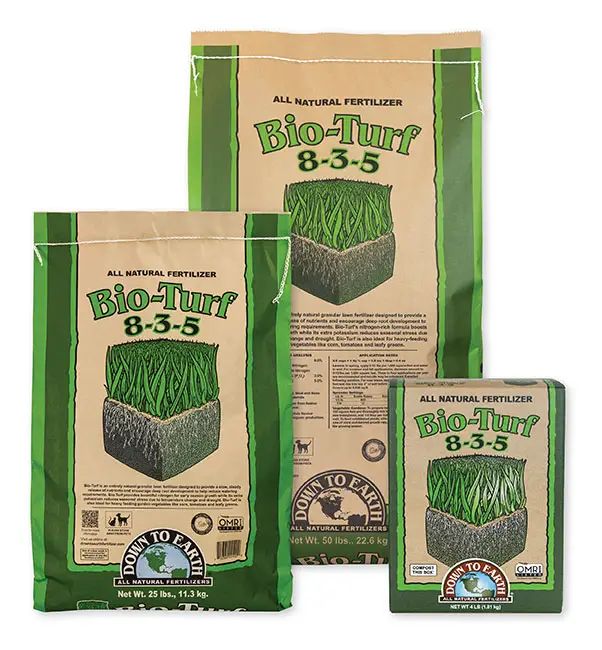
Down to Earth Bio-Turf is an all-natural 8-3-5 organic fertilizer, OMRI listed for use in organic production. It helps encourage deep root development to support greener, stronger growth while reducing watering needs and stress from heat or drought. Ideal for lawns, landscape ornamentals, and heavy-feeding garden vegetables and flowerbeds.
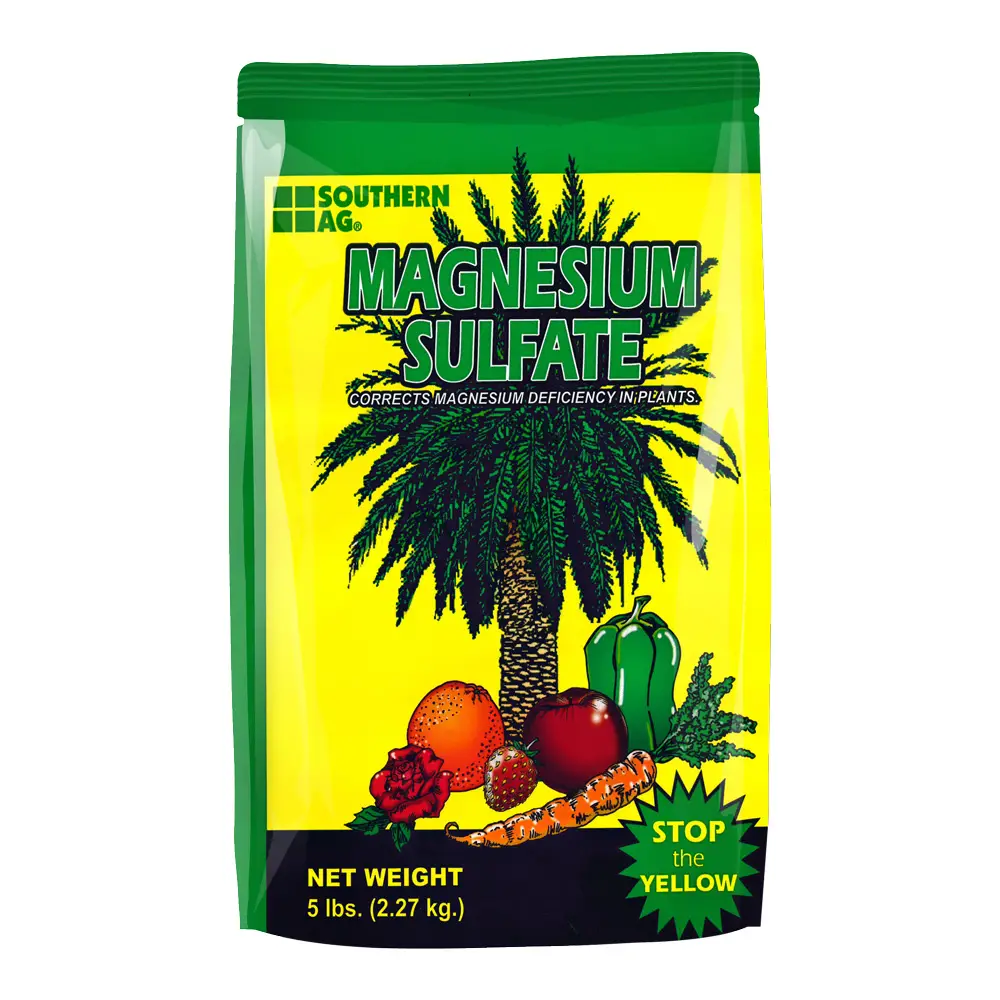
Root 98 Warehouse Southern Ag Magnesium Sulfate is a dry, water-soluble fertilizer for correcting magnesium deficiency in shrubs and trees. It helps acidify soils with less risk of staining and is designed for use on citrus, palms, trees, shrubs, annuals, and turf. Apply by spreading over the treatment area and watering in; do not mix or spray.
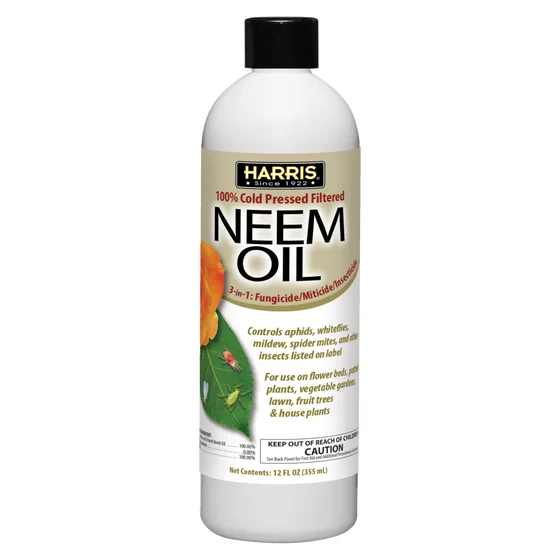
HARRIS Neem Oil Cold Pressed Water Soluble Concentrate is a 3-in-1 insecticide, fungicide, and miticide made from 100% cold pressed neem oil. It is EPA registered to help control aphids, whiteflies, mildew, spider mites, and other label-listed pests and diseases. Safe for indoor and outdoor use, it can be applied to a wide range of flowering and potted plants, vegetable gardens, lawns, ornamentals, fruit trees, and container gardening with foliar or soil treatments.
Watering
Outdoors in the ground: water deeply and allow the top 2 to 3 inches of soil to dry between waterings. Pygmy Date Palm tolerates brief wet periods but declines in permanently waterlogged soil. In sandy, well-drained soil in full sun, it may need watering two to three times per week during summer heat.
Indoors or in containers: water when the top 1 to 2 inches of potting mix is dry. Reduce watering frequency in fall and winter when growth slows. Use a well-draining potting mix and ensure the container has drainage holes.
Soil
Well-drained, slightly acidic to neutral soil (pH 6.0 to 7.5). Sandy loam or a cactus-type potting mix amended with additional perlite suits container-grown specimens. Heavy clay soils cause root rot; amend or choose a raised location with improved drainage.
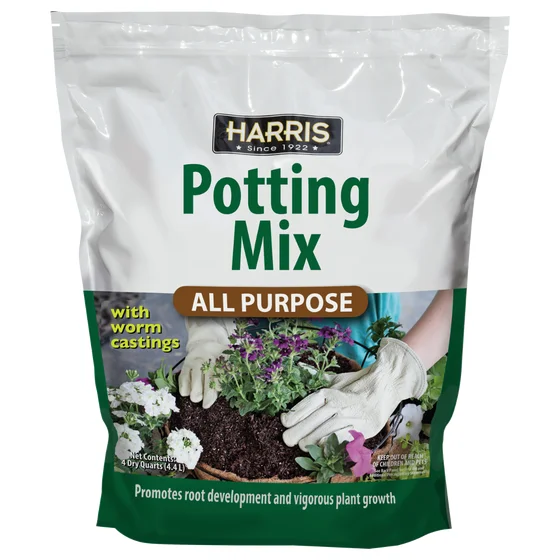
Harris All Purpose Potting Soil Mix is formulated with a blend of worm castings and premium ingredients to support healthy growth in containers. Ideal for container gardening, flower boxes, and hanging baskets, it works for both indoor and outdoor use. Use it as an amendment for garden soil or to build up raised beds for everyday gardening needs.
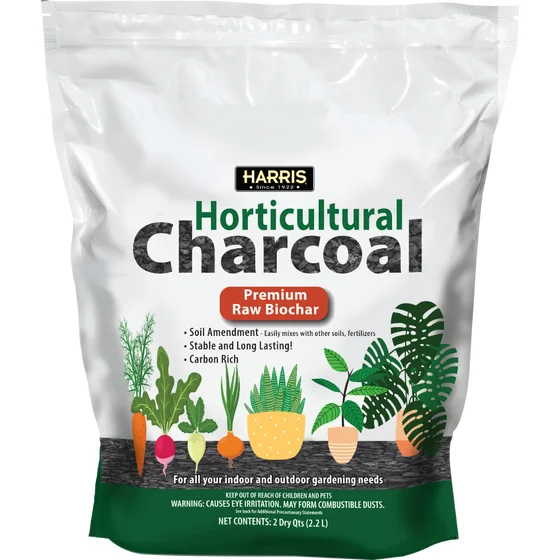
Harris Horticultural Charcoal premium biochar is a naturally derived soil amendment designed to increase soil carbon, nutrient content, and water retention. It helps support water-soluble nutrients and promotes beneficial microbial life for healthier plants. Ideal for indoor and outdoor use in gardens, ornamentals, terrariums, and small houseplants like orchids and bonsai.
Fertilizing
Pygmy Date Palm is susceptible to potassium deficiency, which presents as orange-brown frizzling and necrosis of older fronds beginning at the tips. This is the most common nutritional problem on Phoenix roebelenii in landscape settings.
Use a palm-specific slow-release fertilizer with an elevated potassium ratio and micronutrients including magnesium and manganese. Apply three to four times per year during the growing season at the drip line (outdoors) or as a dilute liquid fertilizer monthly (indoors). Do not substitute a general balanced fertilizer: the magnesium and manganese levels in standard fertilizers are inadequate for Phoenix species.
The best palm tree fertilizer guide covers specific product recommendations with the correct nutrient ratios for Phoenix palms.
Trunk and Frond Maintenance
The persistent petiole bases on the trunk give Pygmy Date Palm its characteristic textured trunk appearance when left in place, or a clean trunk when removed. If you prefer a cleaner look, remove old petiole bases by pulling them downward sharply after the frond has died. Do not cut into living petiole bases.
Trim only completely dead fronds. The spines at the base of each petiole are sharp; use thick gloves. For frond removal tools, the palm tree trimming tools guide covers the best options for small palm work.
Common Problems
Spider mites: Common on indoor specimens in low humidity. Increase humidity and apply insecticidal soap at first sign of stippling on frond surfaces.
Potassium deficiency: Orange-brown frond tip necrosis on older fronds. Address with palm-specific fertilizer. Do not remove affected fronds until new growth has confirmed the deficiency is being corrected.
Root rot: Result of overwatering or poor drainage. Reduce water and improve drainage; advanced root rot in containers may require repotting into fresh, well-draining mix.