
How to Trim a Palm Tree: Frond Removal and Safety
Palm trimming is frequently overdone. The instinct to remove all brown or yellowing fronds as quickly as possible produces a palm that is more stressed, more vulnerable to potassium deficiency, and more susceptible to wind damage than one that is trimmed conservatively. The most important principle in palm trimming is restraint: less removal produces a healthier tree.
The Green Frond Rule
Remove only fronds that are completely brown and dead. Do not remove fronds that are green, or that are only partially brown at the tips while the base remains green. Green fronds are photosynthetically active and contribute to the palm’s energy production. Removing them imposes a direct metabolic cost on the tree.
Yellowing fronds are a more nuanced case. A frond that is yellowing because it is naturally aging and dying can be removed once it is predominantly yellow and no longer photosynthesizing effectively. A frond that is yellowing from potassium deficiency, one of the most common palm nutritional problems, should not be removed until the underlying deficiency is addressed. Removing potassium-deficient fronds before treatment removes the potassium stored in those fronds that the palm is trying to recover, accelerating the deficiency.

Southern Ag Triple Action Neem Oil Fungicide/Insecticide/Miticide delivers broad-spectrum control to help protect indoor and outdoor ornamental plants. Formulated with 70% clarified hydrophobic extract of neem oil, it targets common fungal diseases like powdery mildew and black spot as well as pests including aphids, spider mites, scale, and whiteflies. Thoroughly spray all plant surfaces for best results, mixing frequently during application.
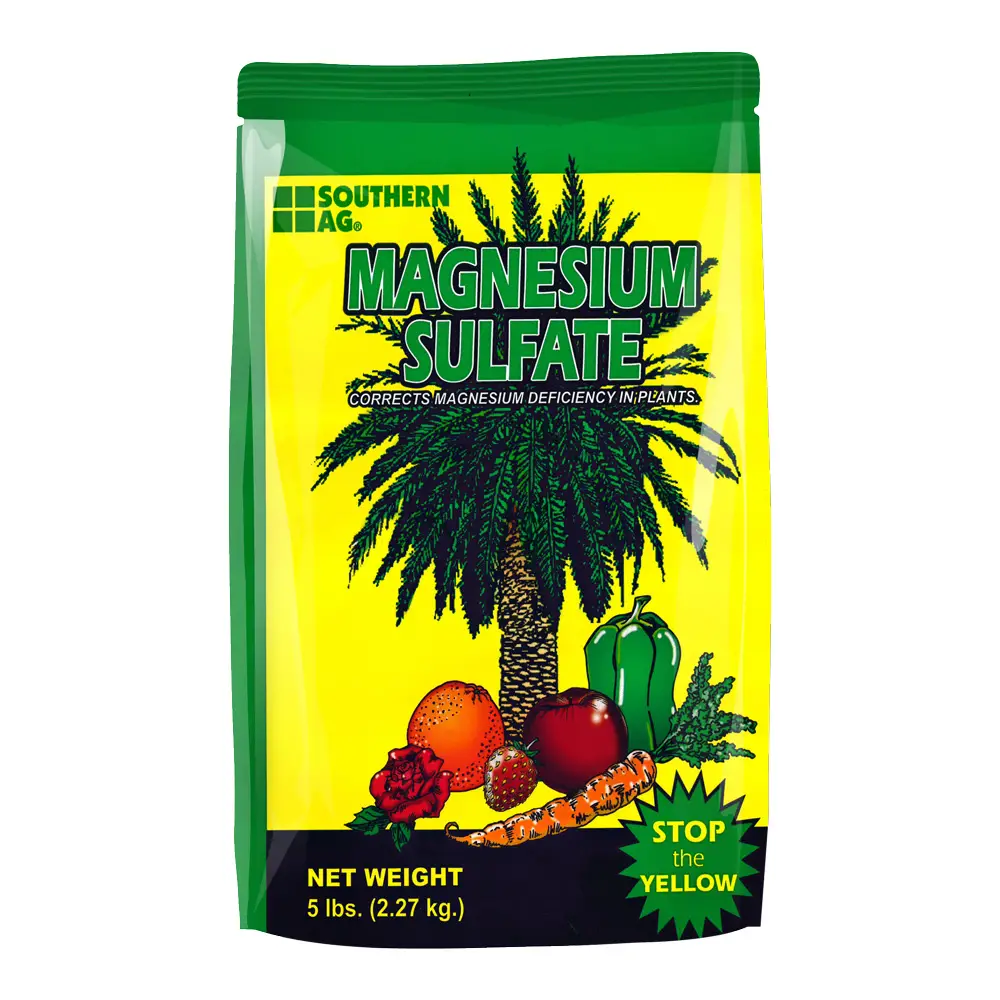
Root 98 Warehouse Southern Ag Magnesium Sulfate is a dry, water-soluble fertilizer for correcting magnesium deficiency in shrubs and trees. It helps acidify soils with less risk of staining and is designed for use on citrus, palms, trees, shrubs, annuals, and turf. Apply by spreading over the treatment area and watering in; do not mix or spray.
When to Trim
Trim palms once per year in late spring or early summer. One annual trimming session to remove the previous year’s dead fronds is sufficient for most palm species. More frequent trimming is not beneficial and increases the cumulative impact on the tree.
Avoid trimming immediately before or during hurricane season in coastal areas. A palm with a full crown of fronds actually survives hurricane-force winds better than a closely trimmed palm because the flexible fronds move with the wind rather than presenting a rigid sail. The old practice of “hurricane cutting” (removing most fronds before a storm) is now understood to be counterproductive.
Where to Cut
Cut dead fronds close to the trunk but not flush with it. Leave a short stub of approximately 2 inches rather than cutting all the way back to the trunk surface. This stub dries and falls naturally over the following months. Cutting flush to the trunk risks damaging the petiole base tissue, which can leave a wound vulnerable to fungal infection in some species.
Do not cut into the petiole base that is still attached to the trunk. The attachment point on the trunk surface is sensitive, and cutting into it creates a wound that heals slowly on a palm’s non-compartmentalizing structure.
Safety Considerations
Fronds from palms over 15 feet are heavy and fall with significant force. Position yourself to the side, never directly beneath the frond being cut. Wear a hard hat for any overhead palm work.
Many palm species including Sabal (Cabbage Palm) and Phoenix (Date Palm) have sharp spines at the base of frond petioles. Thick leather gloves are essential. Eye protection protects against debris falling from the cut zone.
For the specific tools needed for efficient and safe palm frond removal, the palm tree trimming tools guide covers serrated saws and pole saws suited to this task.