
Indoor Palm Tree Care: Light, Water, and Feeding
Indoor palms are among the most commonly purchased houseplants and among the most frequently killed by overcare. The two most common causes of indoor palm death are overwatering and insufficient light. Getting these two variables right addresses most of the problems indoor palm owners encounter.
Light Requirements
Most indoor palms require bright indirect light to thrive. Direct afternoon sun through a south or west window can scorch the fronds of shade-tolerant species like parlor palm (Chamaedorea elegans) but suits sun-loving species like pygmy date palm (Phoenix roebelenii) well. The key is matching the species to the available light rather than choosing by appearance and hoping.
High-light indoor palms (need bright light, some direct sun): Pygmy Date Palm, Kentia Palm, Lady Palm, Chinese Fan Palm.
Lower-light tolerant indoor palms: Parlor Palm, Bamboo Palm, Areca Palm in indirect bright light.
A common mistake is placing an indoor palm in the center of a room, far from any window, and expecting it to survive. Most palm species require a position within 3 to 5 feet of a south, east, or west-facing window to receive adequate light for long-term health.
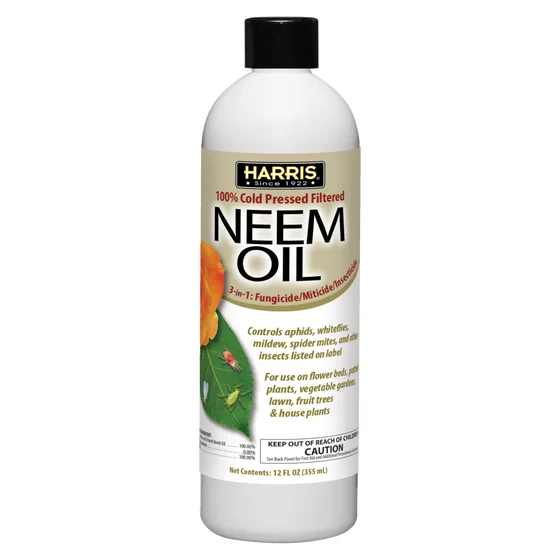
HARRIS Neem Oil Cold Pressed Water Soluble Concentrate is a 3-in-1 insecticide, fungicide, and miticide made from 100% cold pressed neem oil. It is EPA registered to help control aphids, whiteflies, mildew, spider mites, and other label-listed pests and diseases. Safe for indoor and outdoor use, it can be applied to a wide range of flowering and potted plants, vegetable gardens, lawns, ornamentals, fruit trees, and container gardening with foliar or soil treatments.
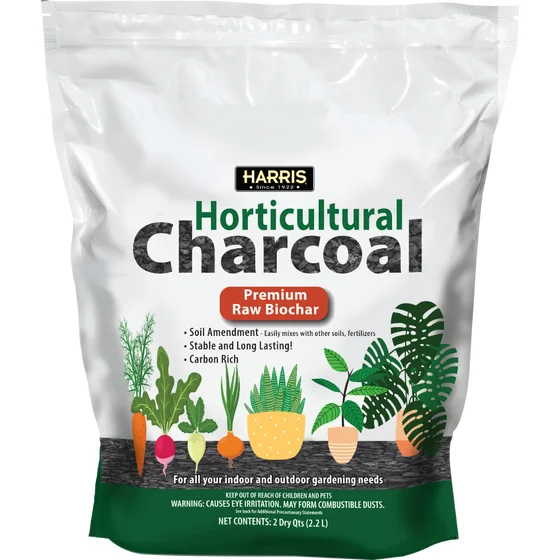
Harris Horticultural Charcoal premium biochar is a naturally derived soil amendment designed to increase soil carbon, nutrient content, and water retention. It helps support water-soluble nutrients and promotes beneficial microbial life for healthier plants. Ideal for indoor and outdoor use in gardens, ornamentals, terrariums, and small houseplants like orchids and bonsai.
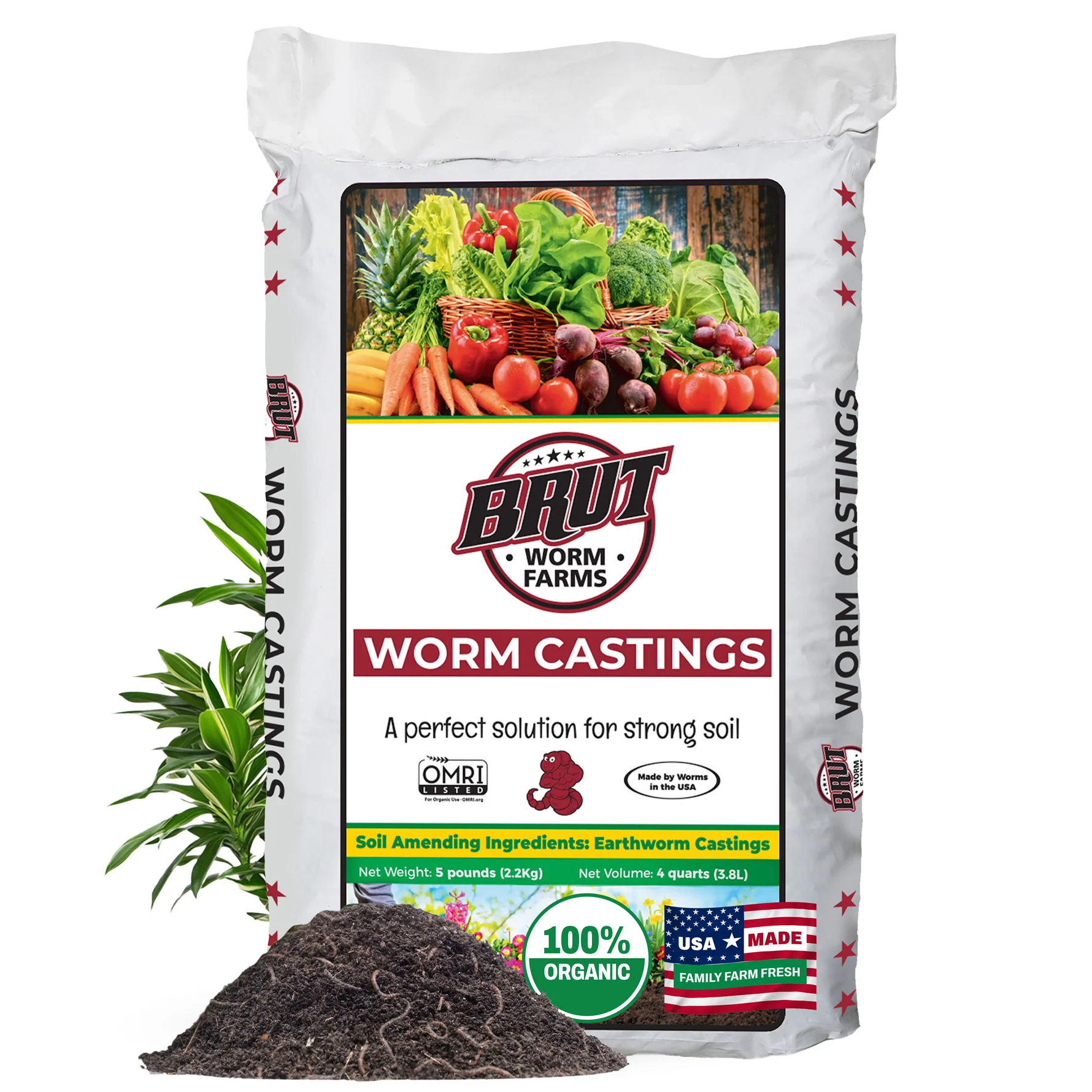
Brut organic worm castings provide mineral-rich, certified organic nutrition to supercharge indoor and outdoor plants. Raised indoors in containers for purity, these castings support lush greenery, vibrant blooms, and bountiful harvests. OMRI and CDFA listed formula helps deliver nature’s nutrients directly to plant roots for healthy growth from root to leaf.
Watering
Water indoor palms when the top 1 to 2 inches of potting mix has dried out. Palms do not tolerate prolonged waterlogging: overwatering and poor drainage are the most common causes of indoor palm death. The symptoms of overwatering and underwatering are similar (yellowing, wilting), which is why checking soil moisture before watering rather than following a fixed schedule is the correct approach.
Use a well-draining potting mix. Containers must have drainage holes. Never allow a palm to sit in a saucer of standing water for more than an hour after watering.
In winter when growth slows, reduce watering frequency. Palms in heated indoor environments with dry air may need more frequent watering than those in humid conditions.
Humidity
Most indoor palms tolerate standard household humidity but perform better with moderate to high humidity (40 to 60 percent). In dry winter conditions with heating systems running, brown leaf tips are a common symptom of low humidity. A pebble tray with water beneath the pot, a room humidifier, or regular misting increases local humidity. Brown tips from low humidity are cosmetic and do not threaten the plant.
Espoma Organic Lawn Soil is an all-natural organic soil mix designed to promote seed germination and help new sod establish. It contains earthworm castings, alfalfa meal, kelp meal, and feather meal, enhanced with Espoma MYCO-TONE, a blend of endo and ecto mycorrhizae fungi. Use it anytime you sow new grass seed or install sod for organic gardening results with no synthetic plant foods or chemicals.
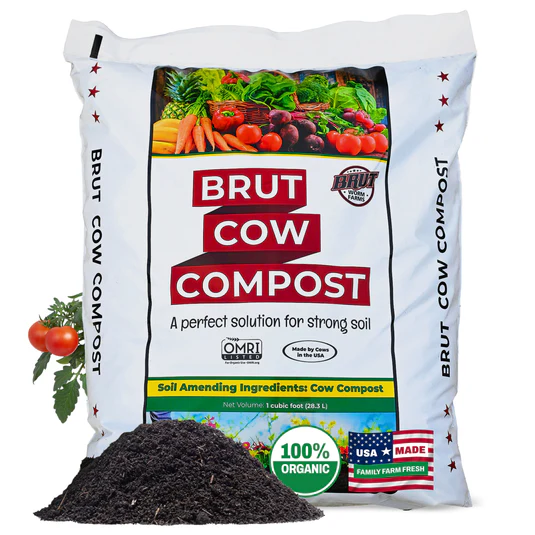
Brut Cow Compost is a nutrient-rich organic soil amendment made from 100% pure, thoroughly composted cow manure. It enriches soil with nitrogen, calcium, and iron, supports beneficial microbial life, and helps plants produce stronger growth. Odor-free and gentle on roots, it can be used for vegetables, flowers, lawns, shrubs, and indoor plants as a top dressing or mixed into garden and potting soil.
Fertilizing
Feed indoor palms monthly during the growing season (spring through summer) with a balanced water-soluble fertilizer at half the recommended rate. A palm-specific fertilizer with micronutrients including magnesium and manganese is better than a standard houseplant fertilizer for long-term health. Do not fertilize during fall and winter when the plant’s growth rate slows.
Common Problems
Yellow fronds: Overwatering, low light, or natural aging of lower fronds. Assess soil moisture and light conditions before diagnosing.
Brown leaf tips: Low humidity, underwatering, or fluoride sensitivity. Many palms are sensitive to fluoride in tap water; switch to filtered or distilled water if tips continue browning.
Spider mites: Hot, dry conditions favor spider mite infestations. Increase humidity, mist foliage regularly, and apply insecticidal soap spray at first sign of mite damage (stippled, bronze appearance on fronds).
For species-specific care on pygmy date palm grown indoors, the pygmy date palm care guide covers this popular species in detail.