
How to Get Rid of Stickers and Burweed in Your Lawn
Lawn stickers, the sharp, spiny seed cases that stick to socks, pet fur, and bare feet, come from two primary sources in US lawns: lawn burweed (Soliva sessilis) in cool-season and transition zone lawns, and sandbur (Cenchrus spp.) in warm-season turf in the South. Both are annual weeds that produce their painful burs from seed. The most effective control approach for both species is a pre-emergent herbicide applied before germination, long before the burs that cause the problem appear.
Identifying the Source of Your Stickers
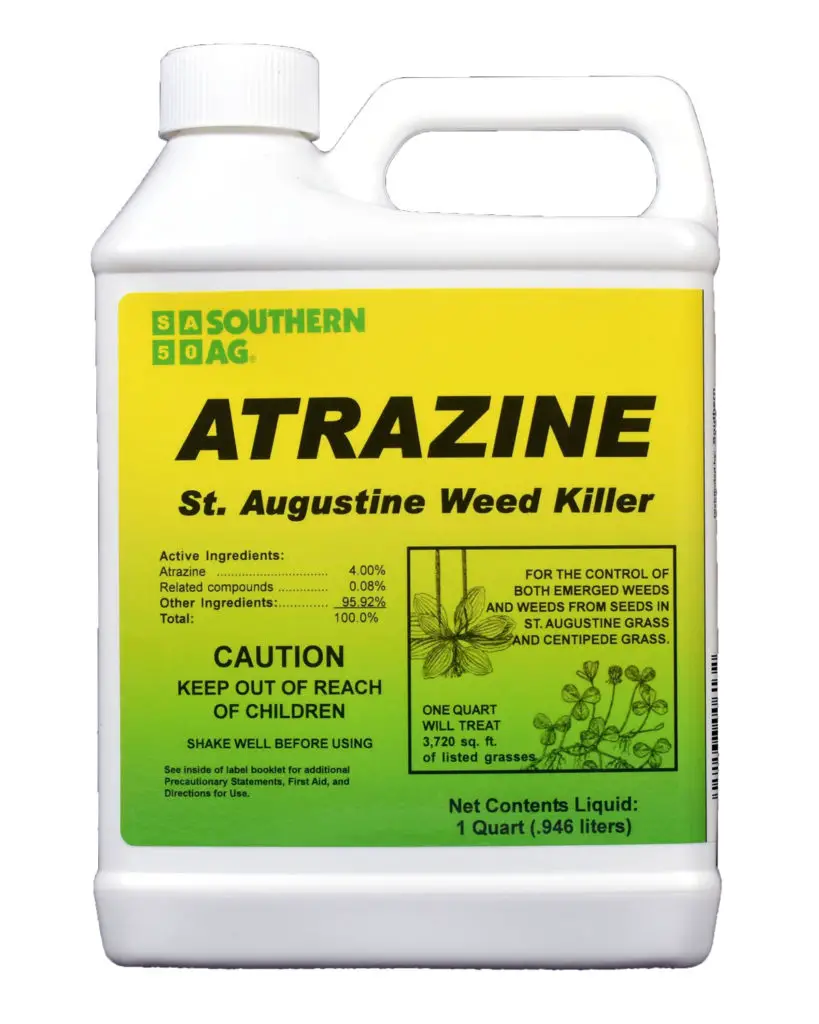
Southern Ag Atrazine St. Augustine Weed Killer helps control many common grassy and broadleaf weeds, including weeds from seed and emerged growth. It is labeled for use on St. Augustine and centipede lawn grasses, and also provides suppression of crabgrass. Best results are obtained with early spring application and thorough, accurate spray coverage without overlap.
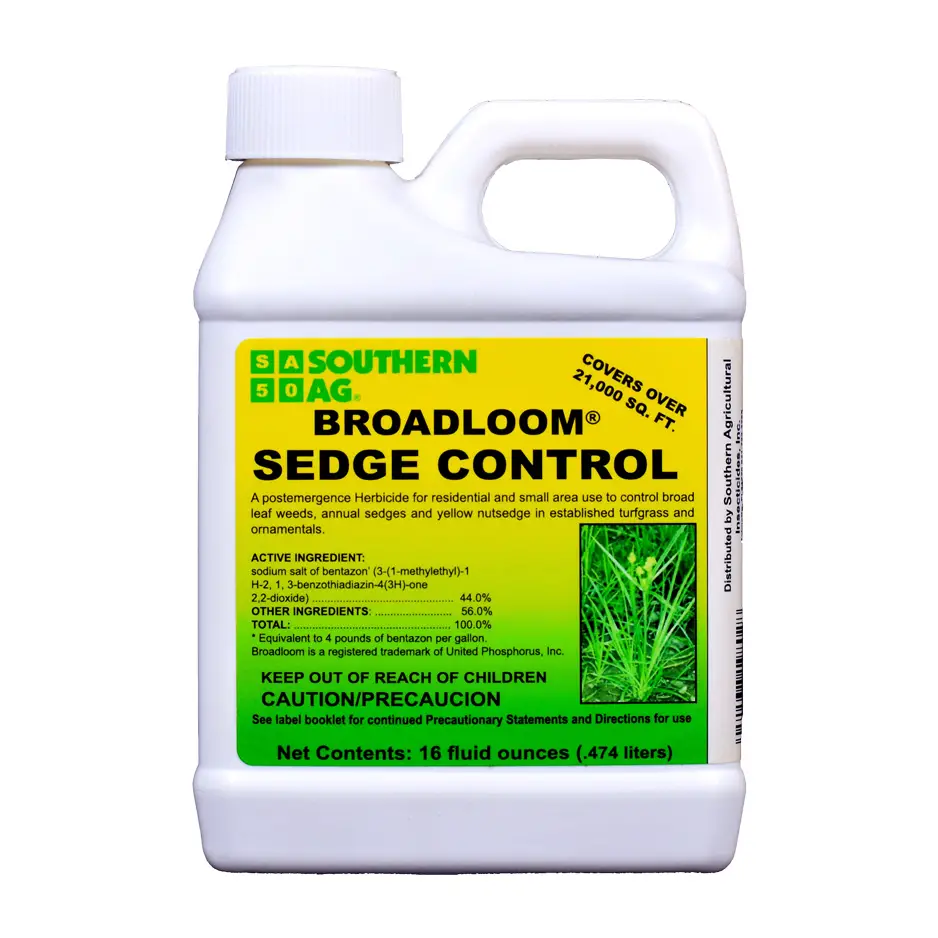
Southern Ag Broadloom Sedge Control helps control nutsedge (nutgrass) and certain broadleaf weeds in established turfgrass. It can be applied over the top on certain ornamentals and may require repeat applications for hard-to-control weeds like sedge. Use a low rate of 0.75 oz per 1,000 sq. ft., and it can be mixed with other weed killers for flexible weed management.

Preen Garden Weed Preventer Plus Plant Food helps prevent weeds while feeding your plants in one simple application. Safe for use in established flower and vegetable garden beds around trees, shrubs, and ground covers, it supports strong root development and abundant blooms. Use during spring, summer, or fall for best results and water it into the soil after sprinkling.
Lawn Burweed (Soliva sessilis)
Lawn burweed is a winter annual that germinates in fall when soil temperatures cool below 70 degrees Fahrenheit. It grows through winter as a low, mat-forming plant, and produces spiny burs in spring as it sets seed before dying in summer heat. The burs appear just as the weather gets warm enough to go barefoot, a frustrating timing pattern.
Identification: Small, deeply lobed leaves with fernlike appearance. Prostrate, mat-forming growth habit. Burs are produced in spring at the base of the plant, embedded in the leaf tissue.
Region: Most common in the southeastern US, transition zone, and Pacific Coast. Thrives in warm-season turf (Bermuda, Zoysia, St. Augustine) where the turf is dormant in winter and cannot compete with the growing burweed plant.
Sandbur (Cenchrus spinifex / Cenchrus longispinus)
Sandbur is a summer annual grassy weed that germinates in spring in warm soil. It produces the familiar sharp, spine-covered burs in summer through early fall as it sets seed.
Identification: Narrow-bladed grass with distinctive branching seed heads bearing spiny burs at the nodes. Most common in sandy soils where its name reflects its preferred growing conditions.
Region: Most common in the deep South, Gulf Coast states, and throughout the central and western US in sandy, dry soils.
Control Strategy: Pre-Emergent Before Germination
Both burweed species are most efficiently controlled with a pre-emergent herbicide applied before seeds germinate. By the time burs are visible and causing problems, the plant has already set seed and will die naturally, but the seeds remain in the soil for the following season.
Lawn Burweed Pre-Emergent Timing
Apply a pre-emergent herbicide in early fall (October in most transition zone areas, September in the South) before soil temperatures drop below 70 degrees Fahrenheit and burweed seeds begin germinating. Germination timing for lawn burweed in warm-season turf areas typically begins between October and December depending on latitude.
Effective pre-emergent active ingredients for burweed: Atrazine, isoxaben, pendimethalin. Many warm-season turf herbicide products containing atrazine are labeled for burweed prevention in St. Augustine and Centipede lawns. Isoxaben (Gallery) provides good control in turf types where atrazine is not safe.
Sandbur Pre-Emergent Timing
Apply a pre-emergent herbicide in early spring before soil temperatures reach 52 degrees Fahrenheit, before sandbur seeds germinate. The timing aligns with crabgrass pre-emergent application.
Effective pre-emergent active ingredients for sandbur: Pendimethalin and oryzalin control sandbur. These active ingredients are found in most consumer crabgrass preventer products.
Post-Emergent Control: Treating Actively Growing Plants
If germination has already occurred and burweed or sandbur plants are visible but burs have not yet formed, a post-emergent herbicide can be applied.
Neptune’s Harvest Organic Kelp Meal (1-0-2) is a dry, all-purpose plant fertilizer made from Norwegian kelp that adds organic matter and essential nutrients to support stronger growth. It promotes healthy roots, helps soil drain while retaining moisture, and boosts plant vitality for vegetables, flowers, lawns, and other plants. Certified OMRI Listed for organic use, it can be tilled into soil or top-dressed for indoor and outdoor gardening.
Down to Earth Vegetable Garden is an OMRI-listed, all-natural 4-4-4 fertilizer made to support vigorous foliage growth in greens, herbs, and vegetables while helping improve fruit size and yield for crops like tomatoes. Use it across a wide range of garden needs, including container vegetable gardens, as well as trees and shrubs.
Post-Emergent for Lawn Burweed
Apply a broadleaf herbicide in late winter to early spring (January to March in most areas) while the burweed plant is still actively growing and before burs begin to form. Products containing 2,4-D, dicamba, and MCPP are effective on young burweed plants. Atrazine-containing products provide good control on warm-season turf where the turfgrass is dormant.
Once burs have formed, post-emergent applications have limited value because the plant is already setting seed and approaching the end of its life cycle.
Post-Emergent for Sandbur
Sandbur is a grassy weed and is not controlled by broadleaf herbicides. Fluazifop-p-butyl or fenoxaprop-ethyl (grassy weed post-emergent herbicides) provide some control on young sandbur plants. These products must be applied early in the plant’s growth cycle for meaningful results.
Removing Existing Burs From the Lawn
If burs are already present, removal before they fully mature and detach reduces the seed bank for the following year. Options include:
Raking: A stiff metal rake can collect loose burs from the lawn surface before they are fully dispersed. Wear gloves, burs are sharp and penetrate thin gloves.
Mowing with a bag: Mowing with a bagging attachment and removing the clippings captures and removes burs that are in or near the seed head stage.
Lawn sweeper or vacuum: A push lawn sweeper or wet-dry vacuum can collect burs from the lawn surface more thoroughly than raking alone.
None of these removal methods eliminates the seed bank already deposited in the soil, but reducing the number of mature burs that complete the seed cycle reduces the following year’s infestation modestly.
Prevention in Subsequent Seasons
Mark your calendar for the appropriate pre-emergent timing for your region. The single most effective thing you can do after an existing sticker problem is apply the correct pre-emergent at the right time the following season. One correctly timed pre-emergent application prevents the entire following year’s bur problem from appearing.
For broader lawn weed prevention including pre-emergent timing by weed species, see how to use pre-emergent herbicides on your lawn.