
Best Miticide for Plants: Spider Mites, Gall Mites, and More
Choosing the right miticide depends on three things: the mite species you are dealing with, the plant you are treating, and whether you are managing an early infestation or a heavy, established population. This guide covers the organic and synthetic acaricide options available to homeowners, explains the resistance management issue that makes product rotation more important for mites than for almost any other pest, and identifies the best products for the most common mite problems.
Why Mite Resistance Makes Product Selection More Important
Spider mites develop resistance to acaricides faster than virtually any other agricultural or garden pest. Tetranychus urticae has been documented with resistance to dozens of active ingredient classes worldwide, and the mechanism is straightforward: spider mites have short generation times (as few as five days under hot conditions), large population sizes, and high reproductive rates, which means the few individuals that survive a treatment due to natural genetic variation can repopulate the plant within a week and pass resistance to offspring rapidly.
The practical consequence for homeowners is that using the same product repeatedly on the same population will eventually produce a population that the product cannot reliably kill. Rotating active ingredient classes, using no more than two consecutive applications of the same active ingredient before switching, and combining chemical treatment with biological controls is the approach that maintains long-term efficacy across a season.
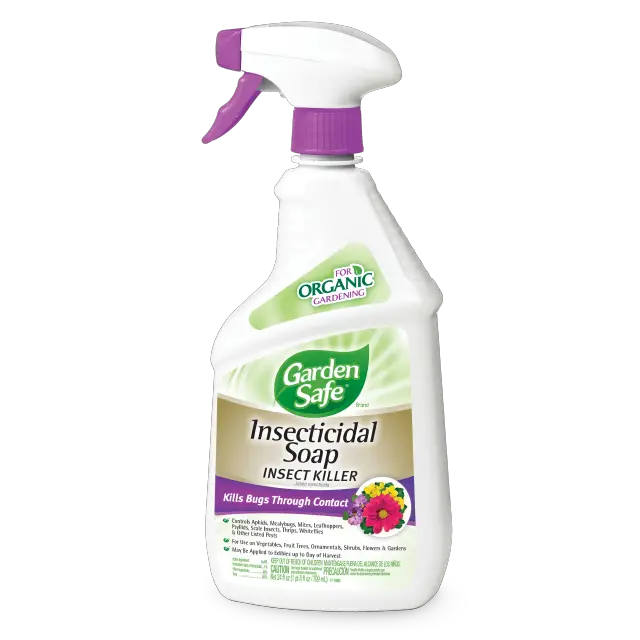
Garden Safe insecticidal soap is a ready-to-use contact spray that kills listed garden pests when sprayed directly on them. It’s formulated for organic gardening and can be used on vegetables, fruit trees, ornamentals, shrubs, flowers, and in indoor, outdoor, and greenhouse applications. For convenience, it may be applied to edibles up to and including the day of harvest.
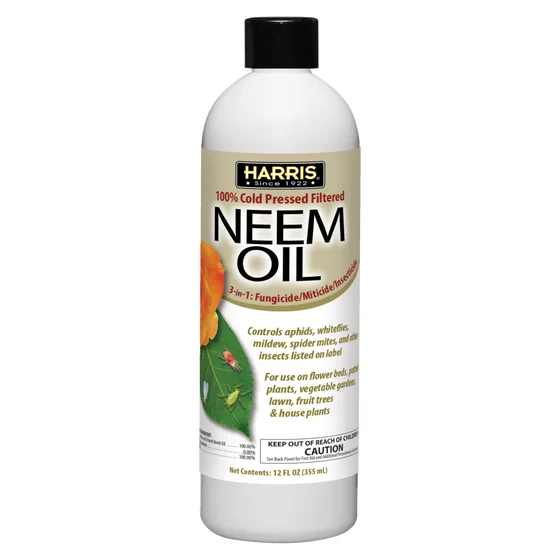
HARRIS Neem Oil Cold Pressed Water Soluble Concentrate is a 3-in-1 insecticide, fungicide, and miticide made from 100% cold pressed neem oil. It is EPA registered to help control aphids, whiteflies, mildew, spider mites, and other label-listed pests and diseases. Safe for indoor and outdoor use, it can be applied to a wide range of flowering and potted plants, vegetable gardens, lawns, ornamentals, fruit trees, and container gardening with foliar or soil treatments.
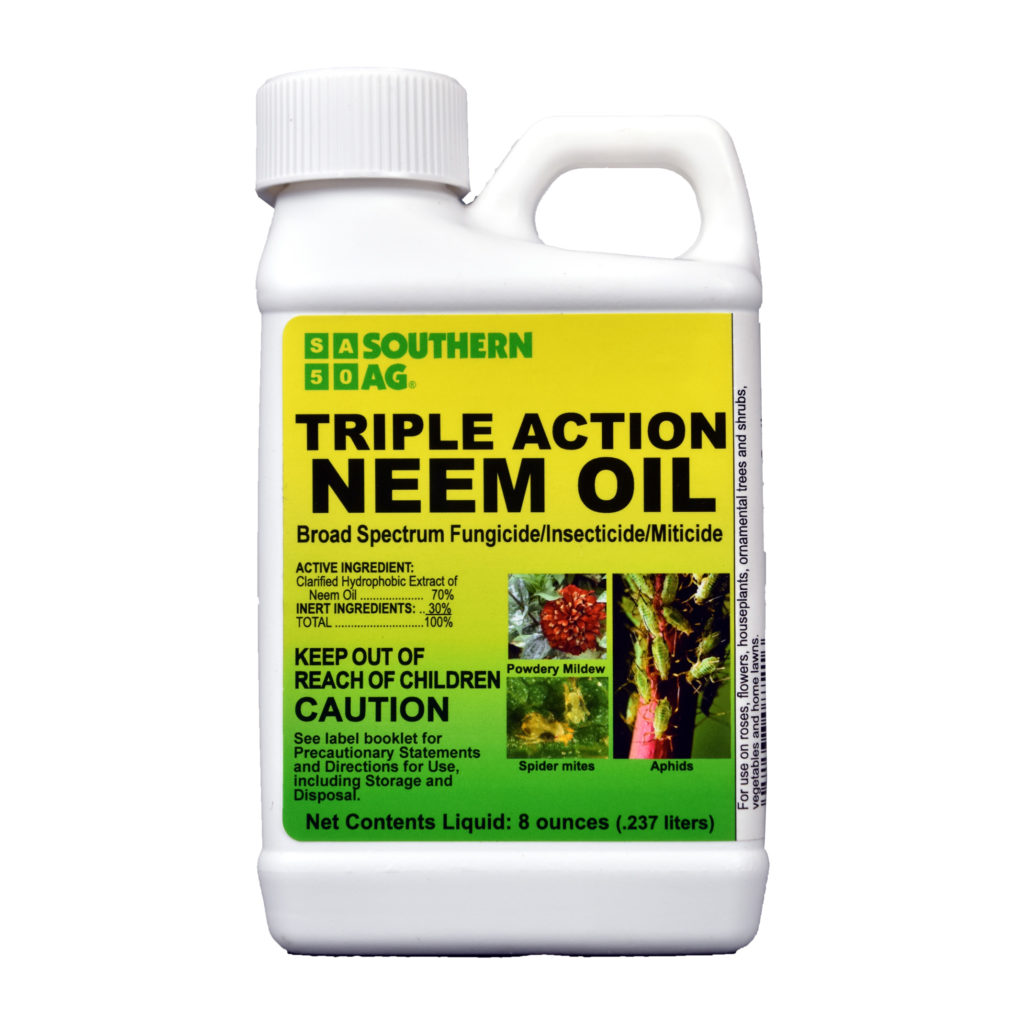
Southern Ag Triple Action Neem Oil Fungicide/Insecticide/Miticide delivers broad-spectrum control to help protect indoor and outdoor ornamental plants. Formulated with 70% clarified hydrophobic extract of neem oil, it targets common fungal diseases like powdery mildew and black spot as well as pests including aphids, spider mites, scale, and whiteflies. Thoroughly spray all plant surfaces for best results, mixing frequently during application.
Organic Miticide Options
Insecticidal Soap (Potassium Fatty Acids)
Insecticidal soap is the most widely accessible first-line organic treatment for spider mites and provides reliable contact kill against nymphs and adults. It has no residual activity and no resistance risk because it works through a physical rather than biochemical mechanism. Reapplication every three to four days for two to three cycles addresses newly hatched generations. Effective brands include Safer Brand Insect Killing Soap and Bonide Insecticidal Soap. Full product recommendations are in our best insecticidal soap guide.
Neem Oil (Azadirachtin)
Neem oil provides contact activity combined with insect growth regulator effects that disrupt nymph development. It is more effective than soap against immature mite stages and has a short residual of one to three days. Cold-pressed neem oil with confirmed azadirachtin content (look for Bonide Neem Oil Concentrate or Verdana USDA Certified Organic) outperforms clarified hydrophobic neem oil extracts, which have little to no IGR activity. Full product recommendations are in our best neem oil guide.
Sulfur
Sulfur fungicide-miticides are among the oldest and most reliable multi-species mite controls available to homeowners. Micronized sulfur products (wettable sulfur) disrupt electron transport in mite cells and are effective against spider mites, eriophyid mites (including rust mites and some gall mites), and various other mite families. Sulfur is an appropriate choice when eriophyid mite activity is suspected in addition to spider mite pressure, as neem oil and insecticidal soap have limited activity against eriophyid species. The critical limitations are temperature (do not apply above 90 degrees Fahrenheit or within two weeks of a horticultural oil application, as phytotoxicity risk is significant) and plant sensitivity (some cucurbit varieties and certain ornamentals are sulfur-sensitive and should be tested on a small area first). Safer Brand Garden Fungicide and Bonide Sulfur Plant Fungicide are reliable wettable sulfur options.
Rosemary Oil and Other Botanical Oils
Several commercial miticide products based on rosemary oil, clove oil, or mixed essential oil blends are available and provide contact kill against mites with very short residual. These are useful in situations where other organic options are too phytotoxic (some essential oil products are gentler than soap or neem on sensitive foliage) or where spray interval restrictions require a faster-degrading option. EcoSMART Organic Garden Insect Killer contains a plant-oil blend that has registered efficacy against spider mites.
Synthetic Miticide Options
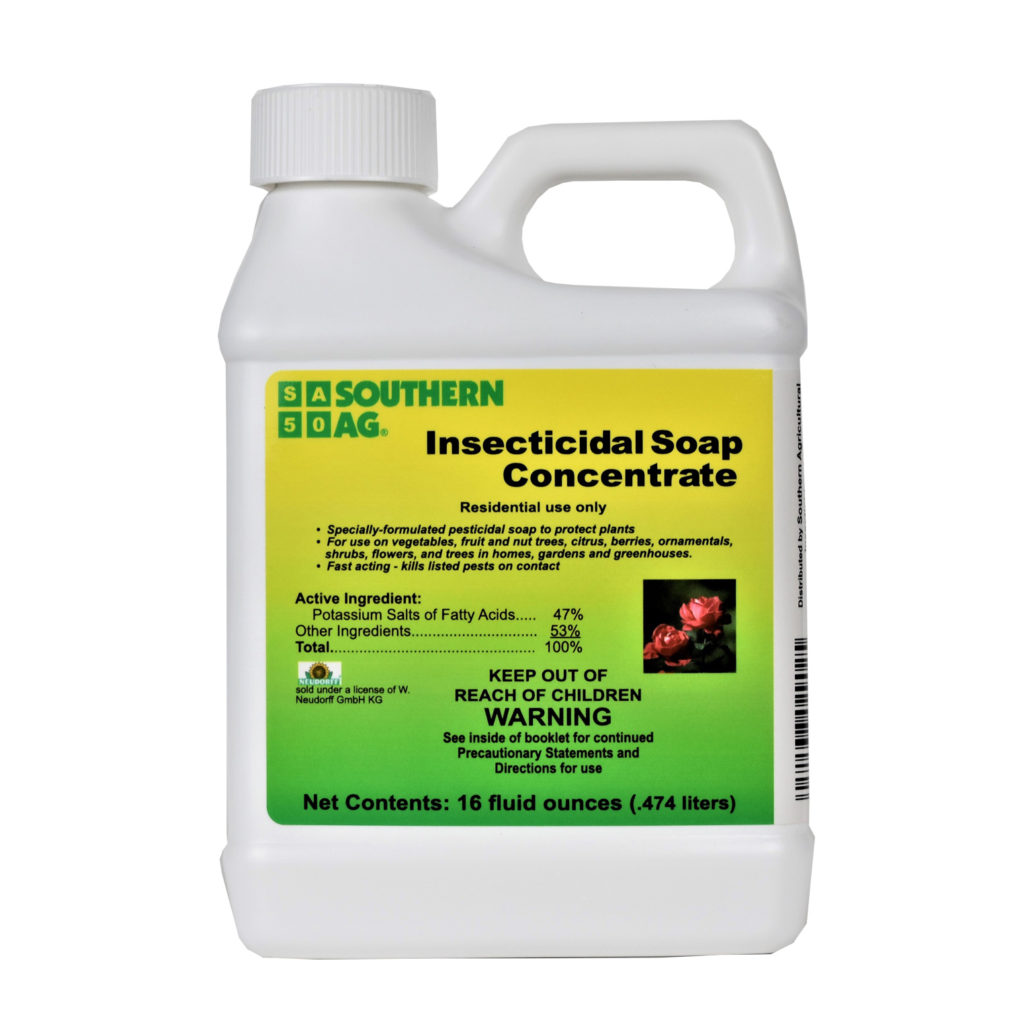
Southern Ag Insecticidal Soap Concentrate is a specially formulated pesticidal soap that delivers fast contact control of insect and mite pests. It’s suitable for use on vegetables, fruit and nut trees, citrus, berries, ornamentals, shrubs, flowers, and trees, including greenhouse and garden applications. Mix 4 teaspoons per quart of water and thoroughly spray all plant parts, including undersides of leaves.
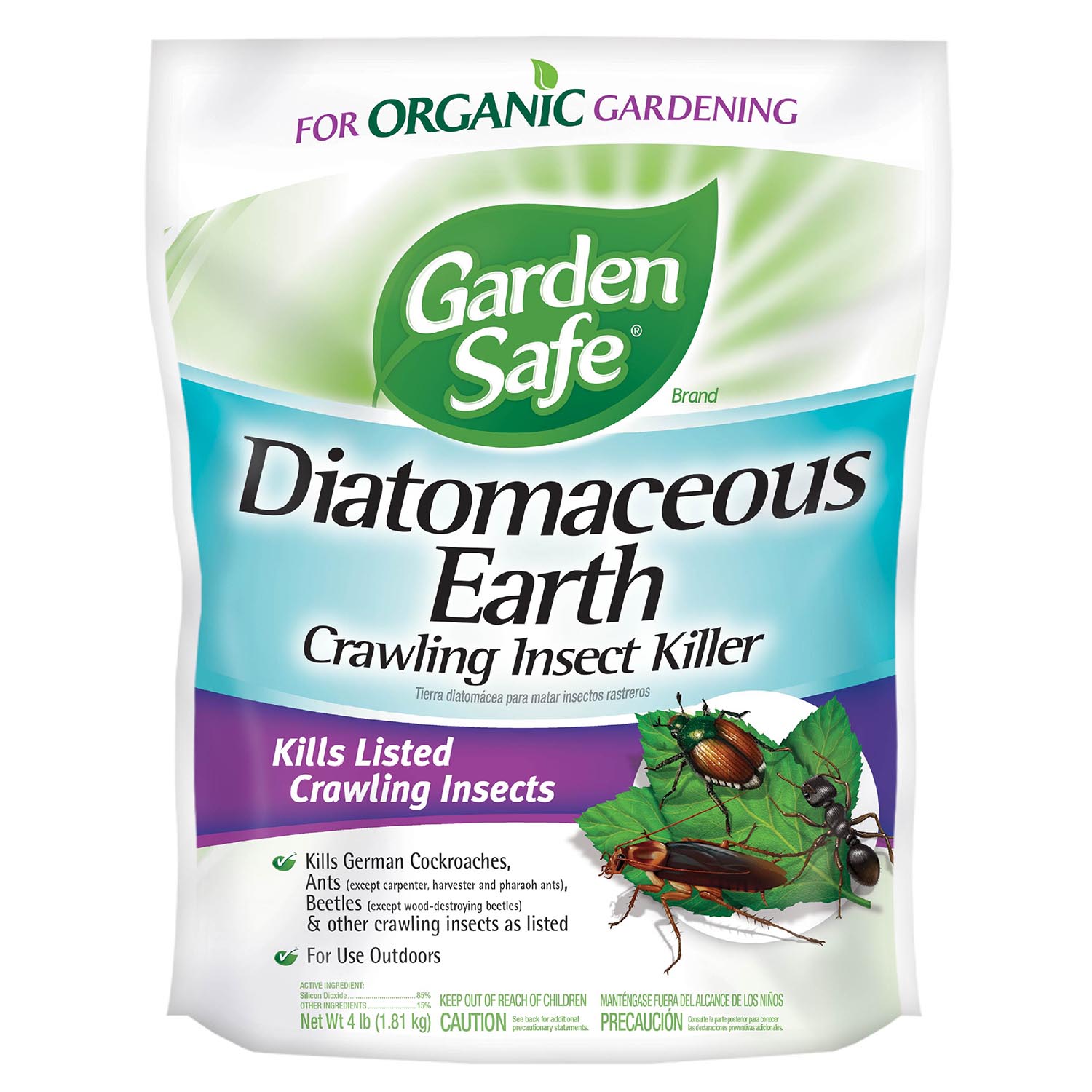
Garden Safe diatomaceous earth-based crawling insect killer provides organic, long-lasting control for listed pests. It kills German cockroaches, ants, beetles, fleas, mealybugs, and other crawling insects by contact by coating their exoskeletons and drying them out. Apply a thin powdery layer outdoors on plants and surrounding soil, and use indoors for crawling insect control as directed.
Abamectin (Avid, Bonide Mite-X)
Abamectin is a macrocyclic lactone derived from the soil bacterium Streptomyces avermitilis and is technically a naturally derived compound, though it is not OMRI listed. It is one of the most effective homeowner-accessible acaricides for spider mites, with activity against eggs, nymphs, and adults and a residual period of approximately seven to fourteen days. Avid is the professional formulation; Bonide Mite-X is the homeowner product containing abamectin at a lower concentration. Apply with thorough canopy coverage and observe the re-entry interval (typically 12 hours). Use no more than two applications per season before rotating to a different active ingredient class.
Bifenazate (Floramite)
Bifenazate is a highly selective synthetic acaricide that kills mites through a unique mode of action involving GABA receptor modulation, which makes it effective against many populations that have developed resistance to other acaricide classes. It is fast-acting and has moderate residual activity. Floramite SC is the formulation available through online garden supply retailers. Its selectivity means it is significantly less harmful to beneficial insects than broad-spectrum insecticides, which is an advantage when trying to preserve natural enemies of secondary pests. Rotate away from bifenazate after two applications.
Spiromesifen (Forbid)
Spiromesifen inhibits lipid biosynthesis in mites and has strong ovicidal activity against spider mite eggs, making it particularly useful when egg burden in the leaf tissue is the primary obstacle to breaking the population cycle. It is slower-acting than abamectin but provides excellent residual control over two to three weeks. Forbid 4F is the formulation available to homeowners through specialty retailers. It is registered for ornamentals and some food crops, and label coverage should be verified before use on any specific plant.
Which Product for Which Mite
| Mite Species | First-Line Organic | Escalation | Notes |
|---|---|---|---|
| Spider mites (Tetranychidae) | Insecticidal soap or neem oil | Abamectin or bifenazate | Water knockdown first; rotate active ingredients |
| Eriophyid mites (rust mites, bud mites) | Sulfur | Abamectin | Neem and soap have limited eriophyid activity |
| Gall mites (Vasates spp. on maples) | Horticultural oil at delayed dormant | No effective post-gall treatment | Treatment window is pre-gall in spring only |
| Clover mites on exterior | Bifenthrin or permethrin perimeter | Synthetic pyrethroids | These are nuisance mites; habitat modification is primary |
| Chigger larvae in yard | Bifenthrin or permethrin granular | Cyfluthrin spray | Acaricides required; standard insecticides less effective |
Resistance Rotation Protocol
A practical rotation protocol for a season with active spider mite pressure: begin with insecticidal soap or water knockdown for the first two application cycles; switch to neem oil for the next one to two cycles; if mite pressure remains high after four to five cycles, apply abamectin for one to two cycles; then rotate to bifenazate or spiromesifen for the next cycle. Return to the organic rotation at the start of the following season rather than beginning with the strongest synthetic option.
Never apply two consecutive applications of abamectin, bifenazate, or spiromesifen without a rotation between: these products are too susceptible to resistance selection if used continuously.
The broader framework for resistance management in the context of an integrated pest management program is covered in our integrated pest management guide.