
Compost Not Heating Up? How to Raise Pile Temperature
A compost pile that fails to heat up is either missing a necessary condition for thermophilic activity or has already completed the active phase and moved into the curing stage. Distinguishing between these two situations is the first step. If the pile is in curing, a lack of heat is correct and expected. If the pile is not in curing and contains fresh material that has not yet broken down, one or more of the four conditions for hot composting is out of range.
First: Is the Pile in the Curing Phase?
A pile that has been actively composting for four to six weeks, where most of the material is dark and crumbly and no longer recognizable as its original inputs, may simply be finished with its active thermophilic phase. A curing pile at ambient temperature is not failing. It is maturing. The maturity tests that distinguish a cured pile from a stalled pile are covered in the how to know when compost is ready guide.
If the pile is relatively new, contains clearly undecomposed material, and has never heated up, it is stalled rather than cured.
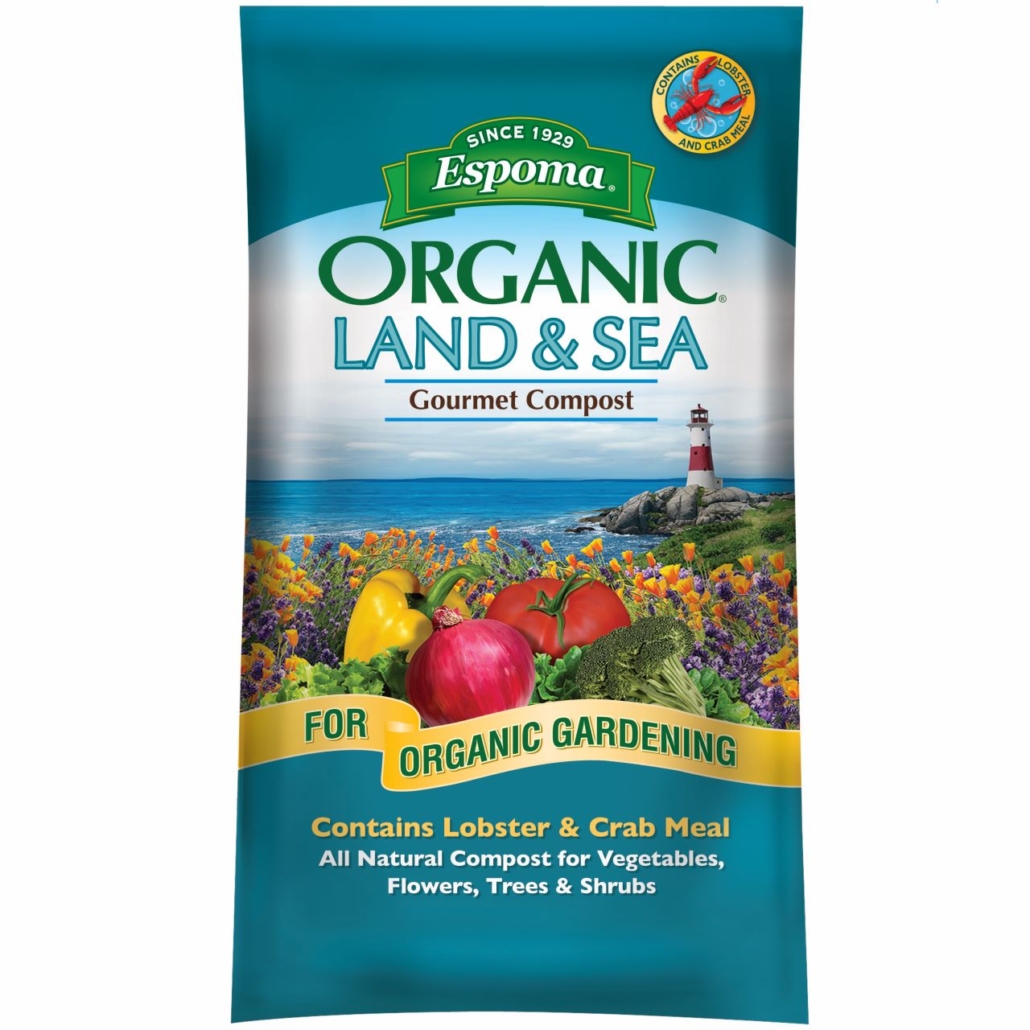
Espoma Organic Land and Sea Gourmet Compost is a rich organic planting mix designed to improve native soil and revitalize container gardens. Enriched with both lobster and crab meal, it supports healthy growth for vegetables, flowers, trees, and shrubs. The blend also includes myco-tone endo and ecto mycorrhizae and contains no synthetic plant foods or chemicals.
Espoma Organic Lawn Soil is an all-natural organic soil mix designed to promote seed germination and help new sod establish. It contains earthworm castings, alfalfa meal, kelp meal, and feather meal, enhanced with Espoma MYCO-TONE, a blend of endo and ecto mycorrhizae fungi. Use it anytime you sow new grass seed or install sod for organic gardening results with no synthetic plant foods or chemicals.
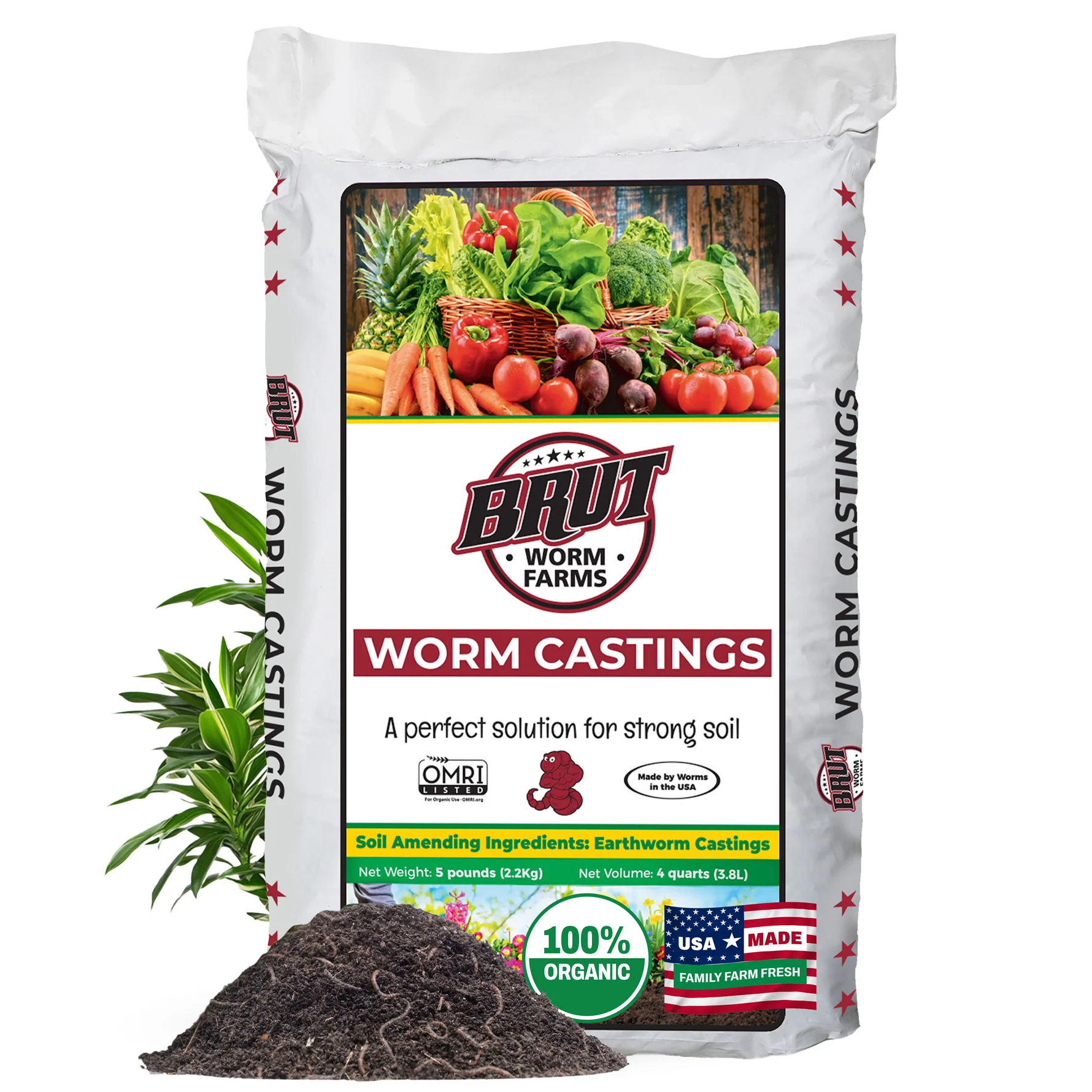
Brut organic worm castings provide mineral-rich, certified organic nutrition to supercharge indoor and outdoor plants. Raised indoors in containers for purity, these castings support lush greenery, vibrant blooms, and bountiful harvests. OMRI and CDFA listed formula helps deliver nature’s nutrients directly to plant roots for healthy growth from root to leaf.
Cause 1: Insufficient Pile Size
Thermophilic bacteria generate heat as a metabolic byproduct, but a small pile cannot accumulate that heat because it dissipates too quickly from the surface. The minimum effective pile size for sustained thermophilic activity is approximately one cubic yard (3 feet x 3 feet x 3 feet). A smaller pile will decompose as a cold pile but will not reach or sustain 130°F or above.
Fix: Add more material to the pile. If you do not have enough material available, consider combining multiple small piles into one, or storing incoming material until you have enough to build a full-size batch.
Cause 2: Not Enough Nitrogen
A pile that is too heavy in browns (dry leaves, cardboard, straw, wood chips) lacks the nitrogen the thermophilic bacteria need to grow and reproduce rapidly. Without sufficient nitrogen, bacterial population growth is limited, and the heat output from their metabolism is too low to raise pile temperature.
Signs: Material looks unchanged. No warmth in the center. Pile is light and dry-looking.
Fix: Add nitrogen-rich material in layers throughout the pile: fresh grass clippings, vegetable scraps, coffee grounds, fresh plant material, or a fast-acting commercial nitrogen source such as blood meal or alfalfa meal. Turn to mix. Monitor temperature 24 to 48 hours later.
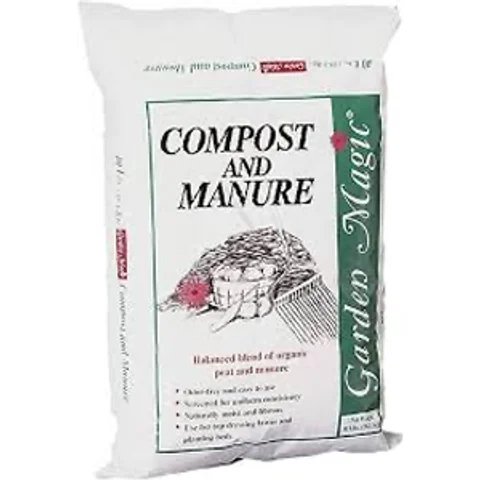
Enhance soil nutrition and garden vitality with this organic peat compost and manure blend designed for lawns and raised beds. The odor-free, ready-to-use mixture combines reed sedge peat and composted animal manure to support healthy growth for flowers, vegetables, and grass. Ideal for improving potting soil in planters or container gardening projects, each bag provides ample coverage for small-scale planting needs.
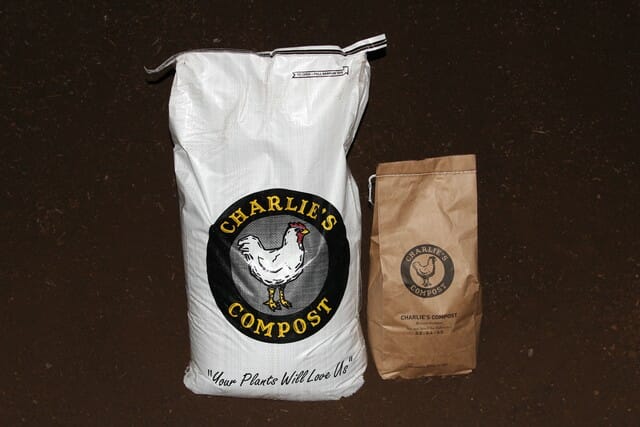
Charlie's Compost is an odor-free organic compost that enriches soil with nutrients and improves soil structure for healthier plant growth. It’s ideal for home gardens, raised beds, containers, and seed starting mixes, and it works as a compost tea ready amendment. The formula supports continuous nutrient release and offers low-odor composting for small-space and indoor-friendly use.
Cause 3: Too Dry
Microorganisms cannot metabolize without moisture. A pile that has dried out in hot or windy weather stops generating heat.
Fix: Rehydrate the pile using the layered watering technique described in the pile too dry guide. After thorough rehydration, turn to aerate and mix. Reheating should occur within one to two days in warm weather.
Cause 4: Too Wet or Compacted
An anaerobic pile does not support thermophilic bacteria, which are aerobic organisms. A waterlogged or compacted pile goes anaerobic and any heat generated rapidly dissipates without thermophilic activity to sustain it.
Fix: Turn thoroughly, add dry brown material, and ensure drainage at the base of the pile. Detailed correction steps are in the pile too wet guide.
Cause 5: Cold Ambient Temperature
Thermophilic activity is suppressed when ambient temperatures drop below 50°F to 55°F. A pile in cold weather may be perfectly balanced in all four variables and still fail to achieve high internal temperatures. This is a seasonal reality rather than a management failure.
Fix: Insulate the pile with surrounding straw bales or thick layers of dry leaves. Increase the proportion of nitrogen-rich inputs to sustain what microbial activity is possible. Reduce turning frequency to minimize heat loss. Full winter composting strategies are covered in the composting in winter guide.
Using a Compost Thermometer
A compost thermometer removes the guesswork from temperature monitoring. Inserting a probe thermometer into the center of the pile gives you an accurate reading without having to estimate from the feel of the material. The target range for active hot composting is 130°F to 160°F. Below 110°F the pile is in mesophilic range. Above 160°F the pile may be too hot and thermophilic bacteria themselves may be stressed; turning at this point cools the pile and redistributes material. Thermometer options for home use are covered in the best compost thermometer guide.