
Compost Pile Too Dry: How to Rehydrate and Restart
A compost pile without adequate moisture stops decomposing entirely. Microorganisms need water to metabolize and reproduce. A dry pile may look unchanged for months because the organisms responsible for breakdown have become dormant or have died off in the driest sections. Rehydrating the pile correctly and maintaining moisture going forward restarts activity quickly.
How to Identify a Dry Pile
Squeeze a handful of material from the center of the pile. If it crumbles and produces no moisture at all, the pile is too dry. Bone-dry material does not compress into a shape when squeezed; it falls apart immediately. The pile may also feel light, dusty, or powdery when you push a fork through it. There will be no warmth in the interior and no apparent activity.
A pile made predominantly of brown material, such as a pile of autumn leaves that has received no kitchen scraps or moisture, is the most common dry pile scenario. Very dry, hot summer weather, a tightly roofed bin that excludes all rain, and a pile location in the full-sun reflection of a wall or fence all accelerate moisture loss.
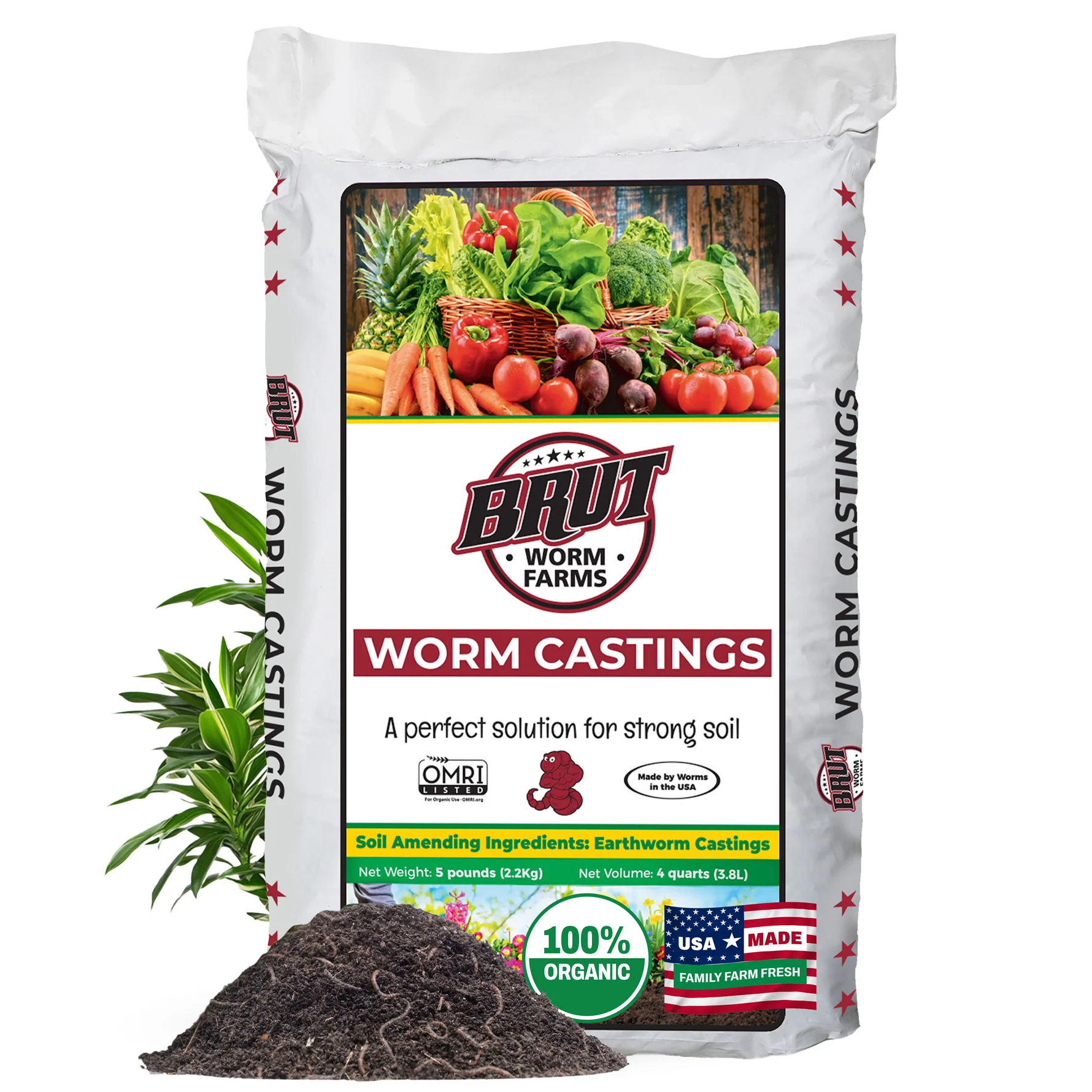
Brut organic worm castings provide mineral-rich, certified organic nutrition to supercharge indoor and outdoor plants. Raised indoors in containers for purity, these castings support lush greenery, vibrant blooms, and bountiful harvests. OMRI and CDFA listed formula helps deliver nature’s nutrients directly to plant roots for healthy growth from root to leaf.
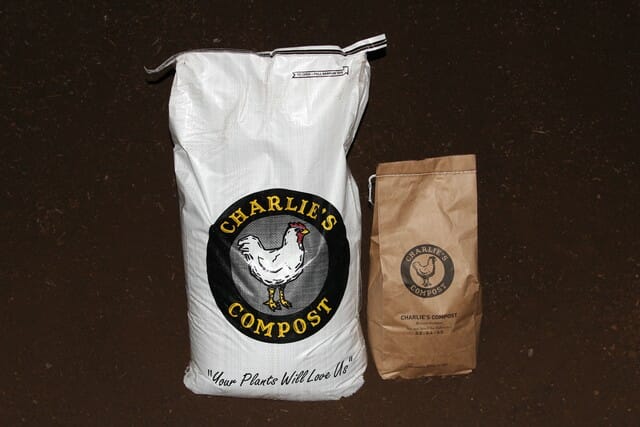
Charlie's Compost is an odor-free organic compost that enriches soil with nutrients and improves soil structure for healthier plant growth. It’s ideal for home gardens, raised beds, containers, and seed starting mixes, and it works as a compost tea ready amendment. The formula supports continuous nutrient release and offers low-odor composting for small-space and indoor-friendly use.
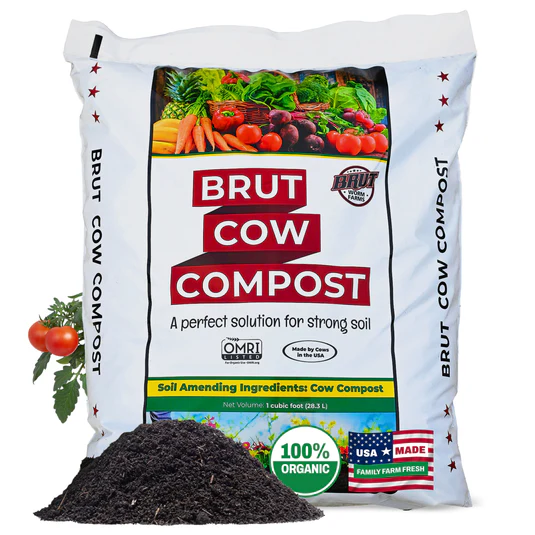
Brut Cow Compost is a nutrient-rich organic soil amendment made from 100% pure, thoroughly composted cow manure. It enriches soil with nitrogen, calcium, and iron, supports beneficial microbial life, and helps plants produce stronger growth. Odor-free and gentle on roots, it can be used for vegetables, flowers, lawns, shrubs, and indoor plants as a top dressing or mixed into garden and potting soil.
How to Rehydrate a Dry Pile
Rehydration of a very dry pile requires patience: dry organic material, particularly dry leaves and shredded paper, initially repels water rather than absorbing it. Pouring a large volume of water on the pile surface often results in runoff without the water penetrating the interior.
The most effective rehydration method is to water as you turn. Work through the pile with a fork, adding water layer by layer as you disassemble and rebuild it. This ensures moisture reaches the interior of the pile rather than simply wetting the surface and running off. Aim for the wrung-out sponge consistency: damp throughout but not dripping.
If the pile is very large and very dry, a slow soak with a garden hose over several hours, combined with turning the pile the following day to assess penetration, is an alternative for the initial rehydration before switching to the layer-watering method for subsequent adjustments.
Preventing the Pile from Drying Out Again
Cover the pile during dry weather with a tarp or use a bin with a lid to slow evaporation. Leaving a small depression in the top of the pile (rather than doming it) allows any rainfall to collect and soak in rather than running off the sides.
Increasing the proportion of kitchen scraps and fresh green material added to the pile maintains moisture through the water content of those inputs. A pile that receives daily kitchen scraps rarely dries out in temperate climates.
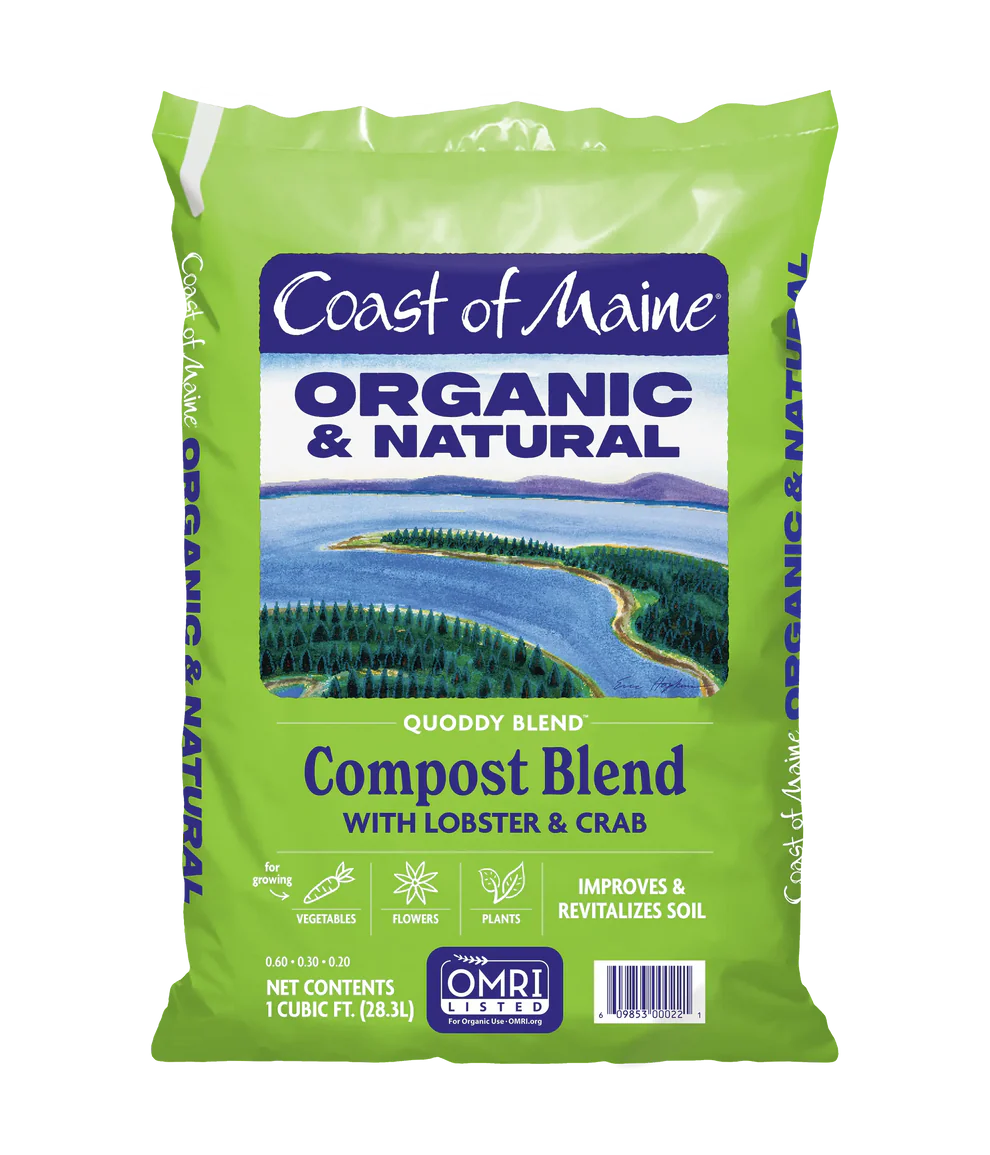
Coast of Maine’s Organic & Natural Quoddy Blend is a premium seafood compost made from lobster and crab shell meal, composted manure, and peat moss to enrich garden soil....
Recovery After Rehydration
A pile rehydrated from a dry stall will resume activity more slowly than a pile corrected from a wet stall. The microbial community needs to re-establish, which takes a few days in warm weather. Signs of recovery are warmth returning to the center of the pile within two to four days of rehydration and the beginning of visible breakdown of the surface material when you next turn the pile.