
Composting in Winter: How to Keep Your Pile Active in Cold Weather
Cold weather slows composting because microbial activity is temperature-dependent: thermophilic bacteria become inactive below about 55°F, and decomposition slows dramatically as temperatures approach freezing. A pile that froze solid over winter is not ruined; it resumes decomposing when it thaws in spring. However, with the right approach you can keep a pile active and productive through mild to moderately cold winter conditions.
What Happens to a Compost Pile in Winter
In cold climates, the outer layers of an uninsulated pile freeze when ambient temperatures drop below freezing. The core of a large, active pile maintains some heat from ongoing thermophilic activity, but as temperatures remain low this heat dissipates and the entire pile eventually equilibrates with ambient temperature.
A pile that cools but does not freeze continues decomposing slowly through mesophilic bacteria, which are active between 50°F and 110°F. A pile that freezes solid stops decomposing until it thaws. This is normal. Kitchen scraps and other organic material added during winter sit in the pile and begin decomposing immediately once temperatures rise in spring.
Accepting winter slowdown is a valid strategy: continue adding kitchen scraps, cover the pile, and harvest finished compost in late spring or early summer from a pile that was active the previous autumn.
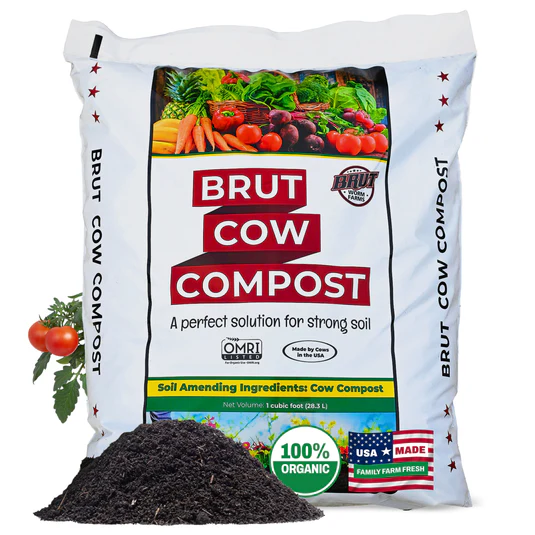
Brut Cow Compost is a nutrient-rich organic soil amendment made from 100% pure, thoroughly composted cow manure. It enriches soil with nitrogen, calcium, and iron, supports beneficial microbial life, and helps plants produce stronger growth. Odor-free and gentle on roots, it can be used for vegetables, flowers, lawns, shrubs, and indoor plants as a top dressing or mixed into garden and potting soil.
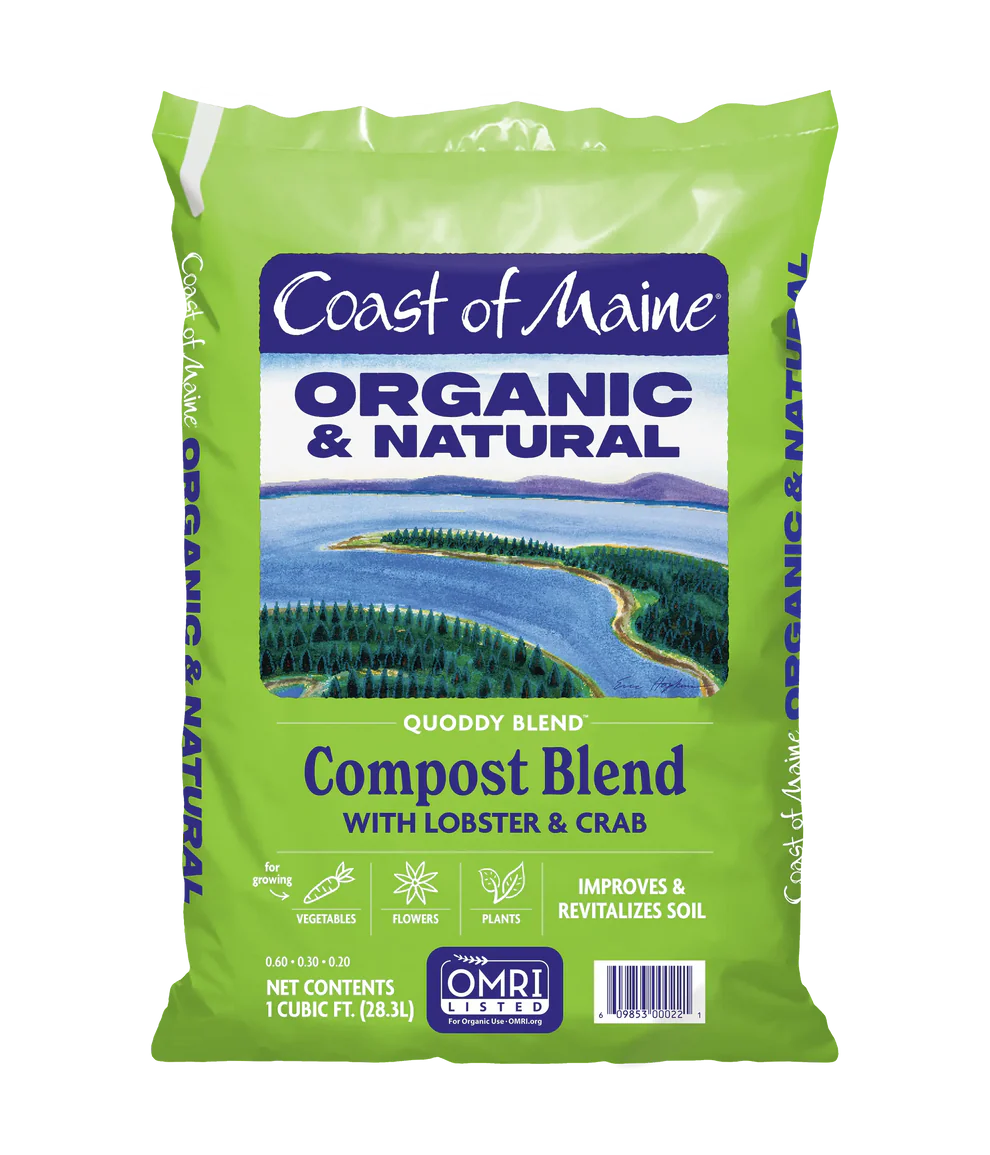
Coast of Maine’s Organic & Natural Quoddy Blend is a premium seafood compost made from lobster and crab shell meal, composted manure, and peat moss to enrich garden soil. It improves soil structure by supporting better drainage, aeration, and water retention for healthier root development. OMRI listed for organic use, it’s a versatile choice for gardens, beds, borders, trees, shrubs, and foliage.
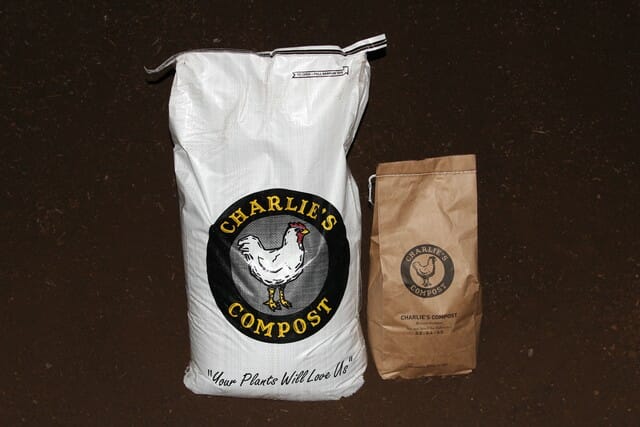
Charlie's Compost is an odor-free organic compost that enriches soil with nutrients and improves soil structure for healthier plant growth. It’s ideal for home gardens, raised beds, containers, and seed starting mixes, and it works as a compost tea ready amendment. The formula supports continuous nutrient release and offers low-odor composting for small-space and indoor-friendly use.
How to Keep a Pile Active Through Winter
Increase pile size and insulation. A larger pile retains heat more effectively. Surrounding the pile with straw bales, layers of dry leaves, or an insulating outer layer of wood chips helps retain the heat generated by active decomposition in the core. Enclosing the pile in a well-insulated bin (wood, straw, or double-wall containers) is more effective than an open pile in cold climates.
Add nitrogen-rich inputs to sustain heat. Kitchen scraps, fresh greens, and high-nitrogen material sustain microbial activity and heat generation. Adding them regularly keeps the pile’s core warmer than a pile that is only receiving brown material. Continue adding kitchen scraps through winter; they will decompose and help maintain core temperature.
Cover the pile. A tarp or solid bin lid reduces heat loss from the top of the pile, slows freezing, and prevents excess moisture accumulation from snow and rain.
Turn less frequently. Turning a pile in cold weather introduces cold air to the interior and accelerates heat loss. In winter, reduce turning to once every two to three weeks at most, or stop turning entirely and resume in spring when temperatures rise above 50°F.
Chop and shred inputs finely. Finely chopped material has more surface area and breaks down faster at lower temperatures than coarse material. Processing kitchen scraps before adding them in winter gives the microbial community the best chance to work despite the cold.
If the Pile Freezes Solid
A frozen pile needs nothing other than patience. Resume normal management when temperatures are consistently above 40°F. Turn the pile as it thaws to aerate and redistribute material, and add a nitrogen boost (fresh greens, coffee grounds, or blood meal) to restart microbial activity quickly. A pile that was well-managed in autumn should produce finished compost from its deeper layers by late spring.
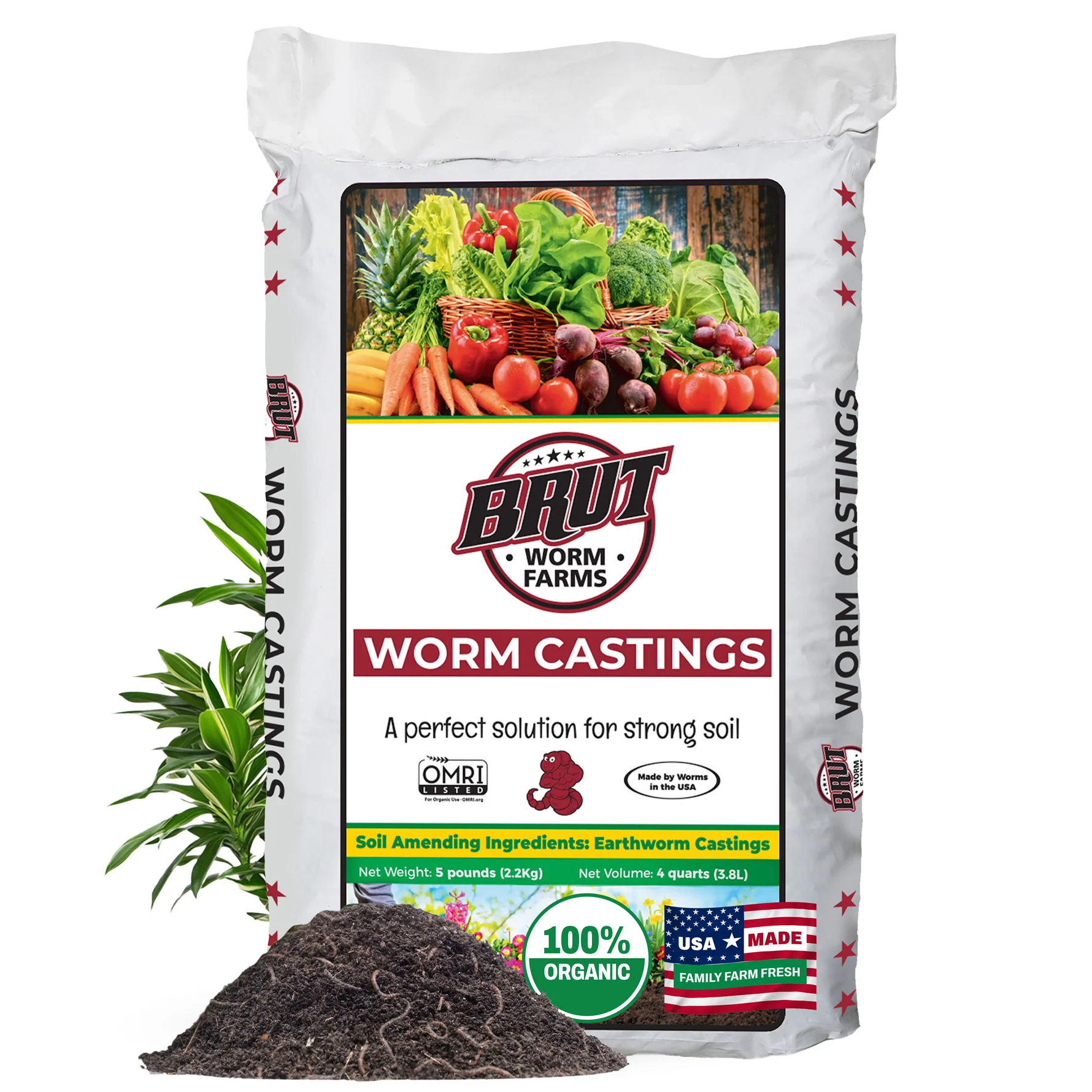
Brut organic worm castings provide mineral-rich, certified organic nutrition to supercharge indoor and outdoor plants. Raised indoors in containers for purity, these castings support lush greenery, vibrant blooms, and bountiful harvests. OMRI and CDFA listed formula helps deliver nature’s nutrients directly to plant roots for healthy growth from root to leaf.
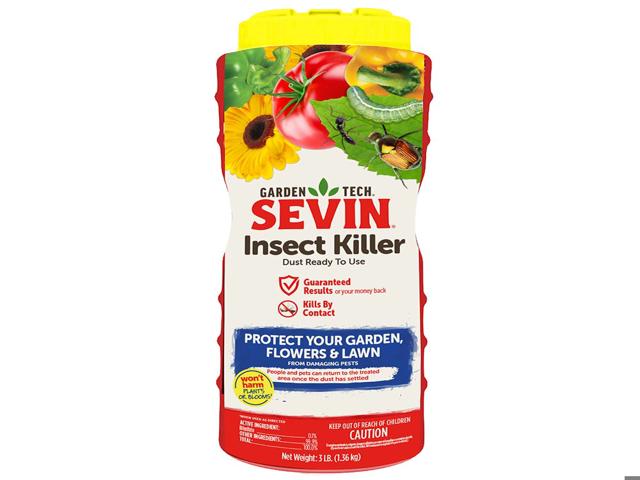
Sevin Insect Killer Dust helps protect flowers and lawn from listed damaging pests with a ready-to-use, shake-and-apply formula. It kills more than 150 insects by contact and creates a protective barrier when applied to leaves, stems, and flowers at the label rate. It won’t harm plants or blooms, and people and pets may return once the dust has settled.