
Types of Mulch for Gardens: Organic vs Inorganic Compared
Mulch is any material applied to the soil surface to suppress weeds, retain moisture, and moderate soil temperature. The range of available materials is wide, and the best choice depends on the type of planting, aesthetic goals, budget, and how much ongoing maintenance you want to commit to.
Organic Mulch Types
Organic mulches decompose over time, adding organic matter to the soil. This feeds soil organisms, improves soil structure, and can contribute to pH management depending on the material.
Bark mulch is one of the most widely available organic mulches. It decomposes slowly, typically lasting two to three years before replenishment, and provides a clean, uniform appearance. Fine bark suits smaller ornamental plants; coarse bark is appropriate around shrubs and trees.
Wood chips from arborist operations are economical or free for large areas. Fresh wood chips cause a temporary nitrogen drawdown as soil bacteria compete with plant roots for available nitrogen. Allow fresh chips to compost for six months to one year before using in planted beds, or use them on paths between beds.
Straw is light, easy to apply around seedlings, and decomposes within one season. It is the standard mulch for strawberries and vegetable gardens. Use wheat or oat straw rather than hay, which contains grass seeds that create a secondary weed problem.
Shredded leaves are a high-quality free mulch, particularly valuable for acid-loving ornamentals. Shredded oak and beech leaves acidify the soil surface mildly as they decompose, supporting rhododendrons, azaleas, and blueberries. Always shred before applying: whole leaves mat and shed rainfall rather than absorbing it.
Compost as a top-dressing provides the most nutritional value of any mulch type but is less effective at weed suppression because its fine texture suits weed seed germination. Using compost as mulch is most effective in dense plantings that shade the soil surface. The approach is covered in the compost as mulch guide.
Pine needles are slow to decompose, maintain their structure longer than most organic mulches, and are mildly acidifying. They suit acid-loving plants and provide a natural woodland aesthetic.
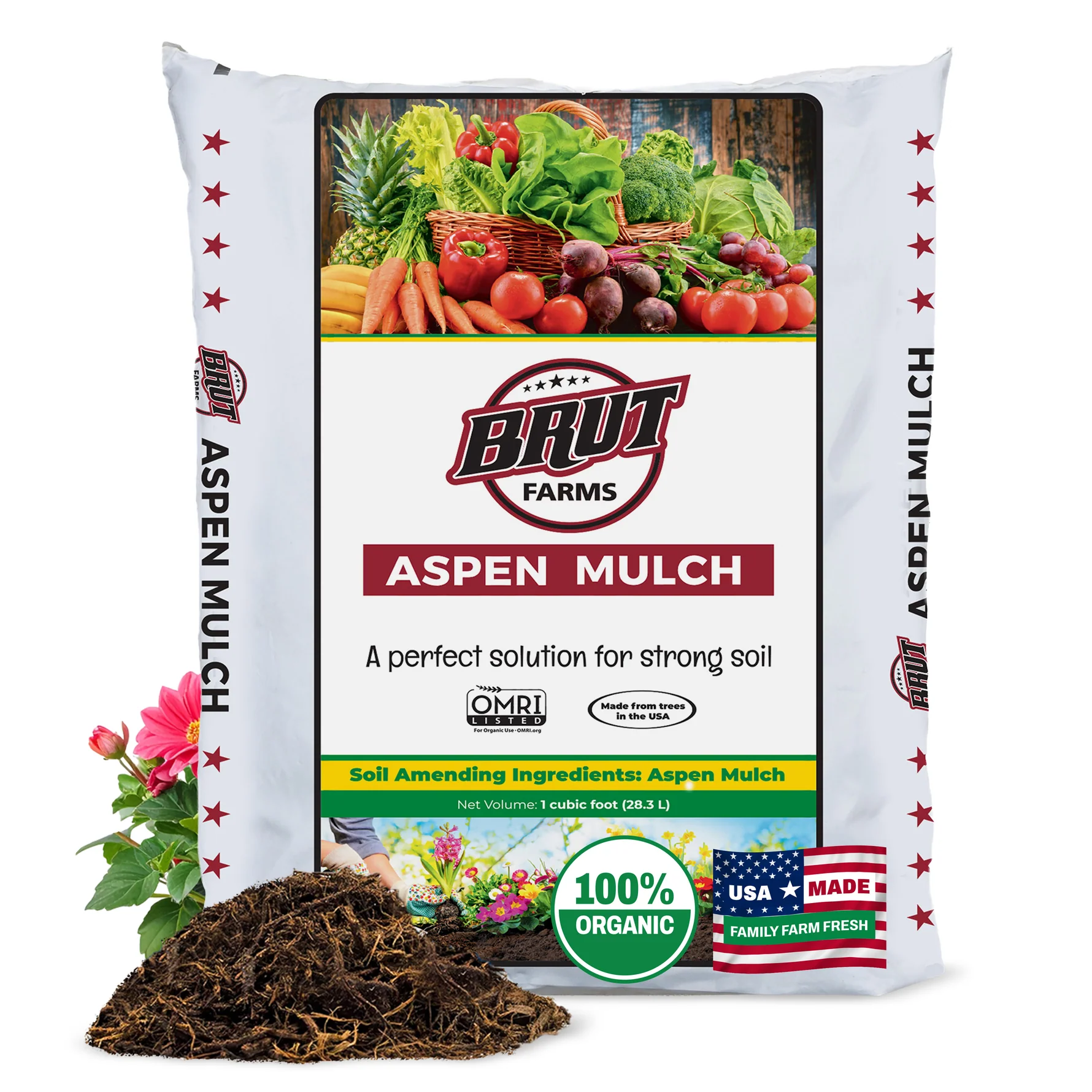
Brut Organic Aspen Mulch creates a clean, polished garden surface while helping minimize weeds naturally. Its high-carbon, odor-free aspen bark supports beneficial soil microbes and improves soil structure for healthier plants. The mulch naturally retains moisture, promoting water-efficient root hydration for garden beds, potted plants, and outdoor planters. OMRI-listed for certified organic gardening.
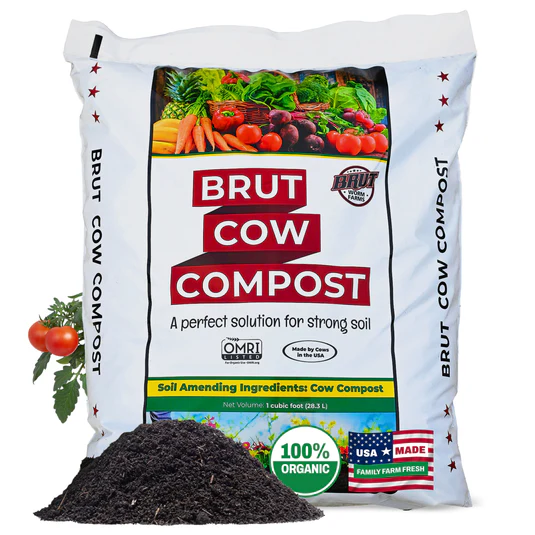
Brut Cow Compost is a nutrient-rich organic soil amendment made from 100% pure, thoroughly composted cow manure. It enriches soil with nitrogen, calcium, and iron, supports beneficial microbial life, and helps plants produce stronger growth. Odor-free and gentle on roots, it can be used for vegetables, flowers, lawns, shrubs, and indoor plants as a top dressing or mixed into garden and potting soil.
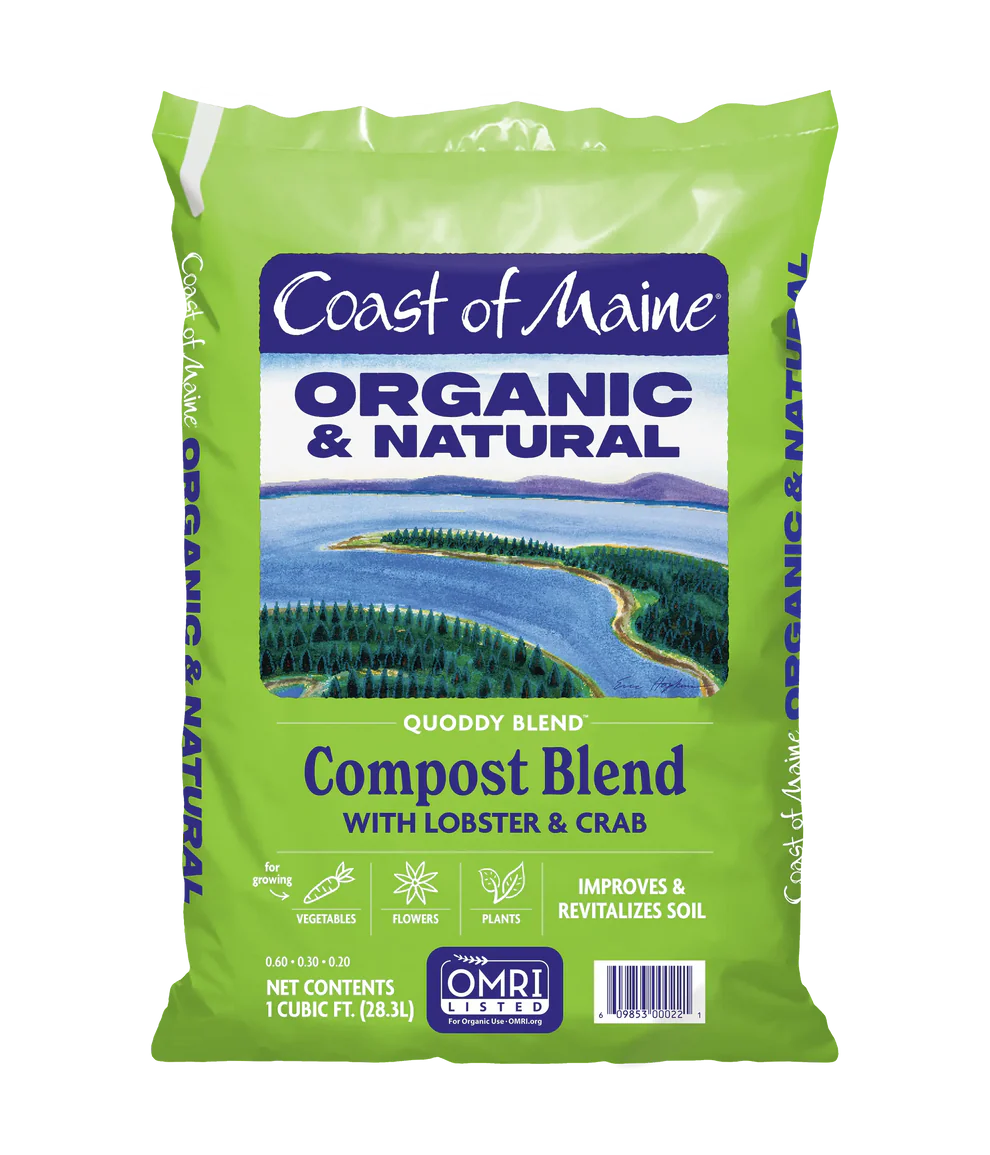
Coast of Maine’s Organic & Natural Quoddy Blend is a premium seafood compost made from lobster and crab shell meal, composted manure, and peat moss to enrich garden soil. It improves soil structure by supporting better drainage, aeration, and water retention for healthier root development. OMRI listed for organic use, it’s a versatile choice for gardens, beds, borders, trees, shrubs, and foliage.
Inorganic Mulch Types
Gravel and crushed stone mulch is the appropriate choice for Mediterranean-style planting, alpine gardens, and drought-tolerant plants that benefit from sharp drainage and heat reflection. Lavender, rosemary, thyme, and sedums perform better and live longer with a gravel mulch than with moisture-retentive organic mulch. The specific application in flower beds is covered in the rock mulch for flower beds guide.
Landscape fabric suppresses weeds effectively in the first year or two, but organic matter accumulates on top over time, providing a growing medium for weeds. It works well under gravel or stone mulch on paths and driveways. In planted beds, organic mulch replenished annually typically outperforms fabric over a multi-year period.
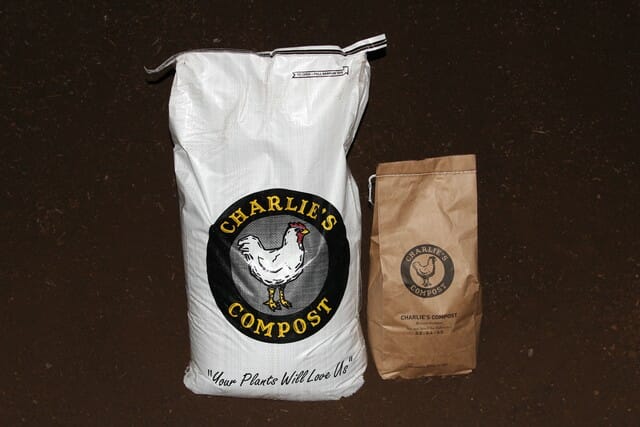
Charlie's Compost is an odor-free organic compost that enriches soil with nutrients and improves soil structure for healthier plant growth. It’s ideal for home gardens, raised beds, containers, and seed starting mixes, and it works as a compost tea ready amendment. The formula supports continuous nutrient release and offers low-odor composting for small-space and indoor-friendly use.
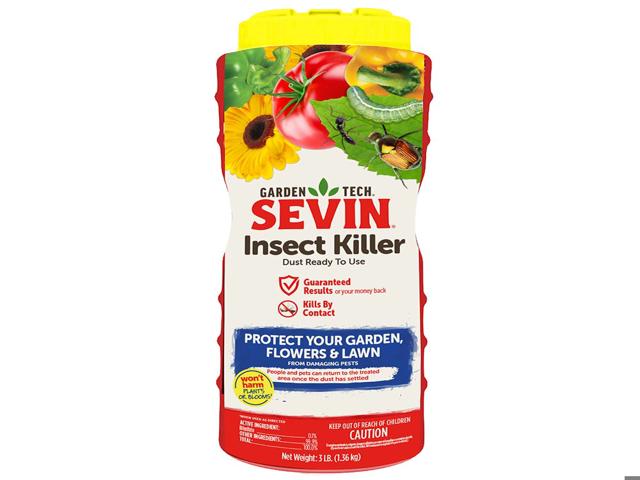
Sevin Insect Killer Dust helps protect flowers and lawn from listed damaging pests with a ready-to-use, shake-and-apply formula. It kills more than 150 insects by contact and creates a protective barrier when applied to leaves, stems, and flowers at the label rate. It won’t harm plants or blooms, and people and pets may return once the dust has settled.