
Rock Mulch for Flower Beds: Pros, Cons, and Best Options
Rock mulch is an inorganic surface layer of crushed stone, pea gravel, or decorative rock applied to flower beds in place of organic mulch. It is the correct choice for specific planting contexts and the wrong choice for others.
When Rock Mulch Works Well
Rock mulch excels in beds planted with drought-tolerant, Mediterranean-origin plants that prefer sharp drainage and benefit from the heat-reflecting properties of a stone surface. Lavender, rosemary, thyme, sage, ornamental alliums, sedum, echinacea, and most ornamental grasses perform better with gravel mulch than with moisture-retentive organic mulch. The grit surface deters slugs, which prefer the moist conditions under organic mulch, making rock mulch useful where slug damage is a persistent problem.
For alpine and rock garden planting, a fine grit top-dressing around plant crowns keeps moisture away from crown tissue. The full rock garden context is in the how to build a rock garden guide.
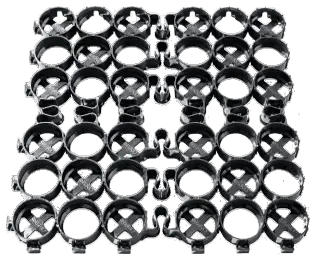
TRUEGRID PRO LITE permeable pavers are lightweight, DIY-friendly driveway and outdoor base pavers that install easily for a variety of projects. Made in the USA from 100%...
When Rock Mulch Is the Wrong Choice
Rock mulch is poorly suited to beds containing moisture-loving perennials, hostas, astilbes, or ferns. It does not improve soil fertility over time. Once installed, rock mulch is also difficult to remove: removing gravel from soil is a significant task if you change your mind about the planting.
Installation
Install rock mulch over a permeable landscape fabric layer to prevent the rock from mixing into the soil over time and to provide an additional weed barrier. Lay the fabric over cleared, weed-free soil, plant through slits in the fabric, then spread 5 to 8 centimeters of gravel or crushed stone over the surface.
Pea gravel (smooth, rounded particles of 5 to 10 millimeters) is the most commonly used rock mulch for planted beds: its rounded particles allow rainfall to penetrate easily and it has a natural, unobtrusive appearance. Angular crushed stone drains more slowly and can form a more compacted surface over time.