
How to Build a Rock Garden Step by Step
A well-built rock garden is one of the most naturalistic features possible in a domestic garden. It creates habitat for a specialized plant palette that thrives in dry, free-draining conditions and produces a season of interest from late winter through summer in a compact, low-maintenance structure. The key to a convincing rock garden is placing rocks to suggest natural geological outcrop rather than arranged decoration.
Site Selection
Rock gardens perform best in full sun: alpine and rock garden plants evolved at altitude where sun intensity is high and the growing season is short and bright. Partial shade suits a limited range of woodland-edge alpine plants but excludes the majority of the most spectacular species.
Avoid positions directly beneath trees. Leaf fall smothers low-growing alpine plants and creates the moist, shaded conditions that produce the crown rot and slug damage that kill most rock garden plants.
A natural slope is ideal. On flat ground, build a raised mound of subsoil and rubble before positioning rocks on top, which creates the height differential that makes a rock garden look plausible rather than like rocks arranged on a lawn.
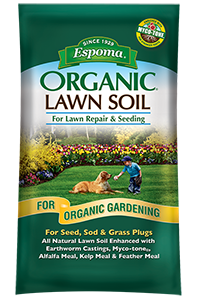
Espoma Organic Lawn Soil is an all-natural organic soil mix designed to promote seed germination and help new sod establish. It contains earthworm castings, alfalfa meal, kelp meal, and feather meal, enhanced with Espoma MYCO-TONE, a blend of endo and ecto mycorrhizae fungi. Use it anytime you sow new grass seed or install sod for organic gardening results with no synthetic plant foods or chemicals.
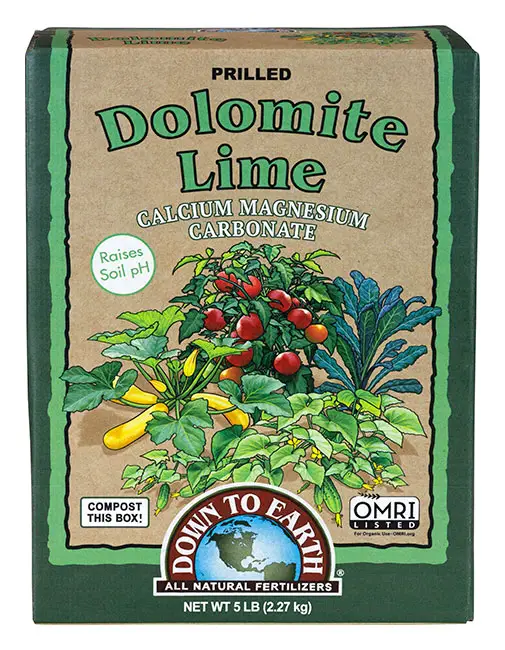
Down To Earth Organic Prilled Dolomite Lime helps raise acidic soil pH for better nutrient uptake and healthier vegetable gardens. Its rich calcium and magnesium support strong cell walls, root growth, and overall plant performance. OMRI listed for organic use, the prilled granules spread easily and act quickly while improving soil structure and microbial activity.
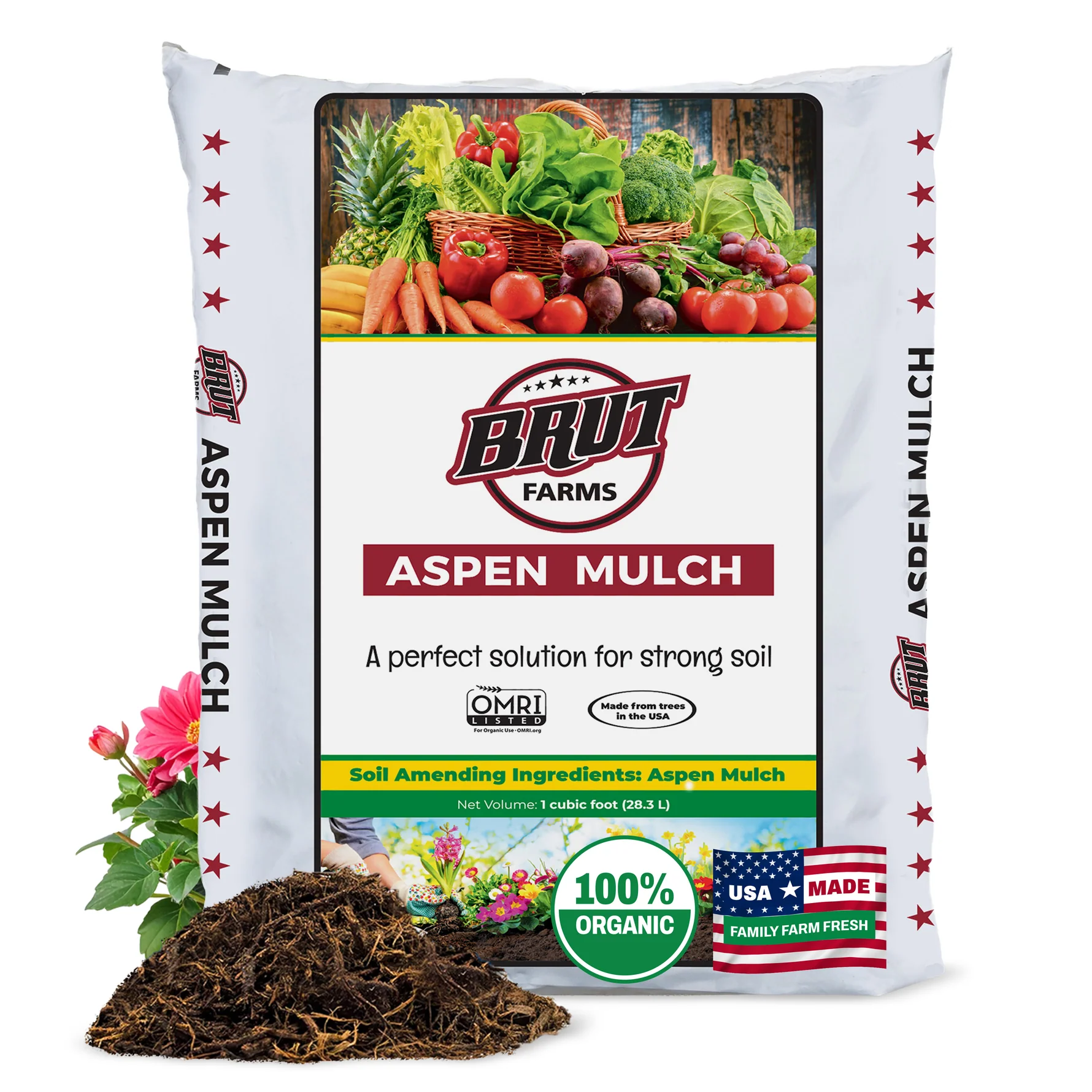
Brut Organic Aspen Mulch creates a clean, polished garden surface while helping minimize weeds naturally. Its high-carbon, odor-free aspen bark supports beneficial soil microbes and improves soil structure for healthier plants. The mulch naturally retains moisture, promoting water-efficient root hydration for garden beds, potted plants, and outdoor planters. OMRI-listed for certified organic gardening.
Drainage Preparation
Free drainage is the non-negotiable requirement for rock garden construction. Most alpine plants tolerate heat and drought but are killed by wet feet in winter. On sites with poor drainage, excavate 30 centimeters below the planned rock garden level and fill with coarse rubble, large gravel, or broken brick before adding the growing medium. On free-draining sites, this step is not necessary.
Remove all perennial weeds from the site before construction. Any bindweed, ground elder, or couch grass roots left in the rock garden will be virtually impossible to remove once rocks are placed, and they will eventually overwhelm the planted alpines.
The Growing Medium
Rock garden plants need a growing medium that drains quickly while retaining enough moisture to support root growth. The standard mix is one-third quality loam or topsoil, one-third coarse horticultural grit (particles 2 to 5 millimeters), and one-third composted bark or leaf mold. This combination drains freely, has good root penetration, and provides enough organic matter to support active growth without creating the moisture-retentive conditions that kill alpine plants.
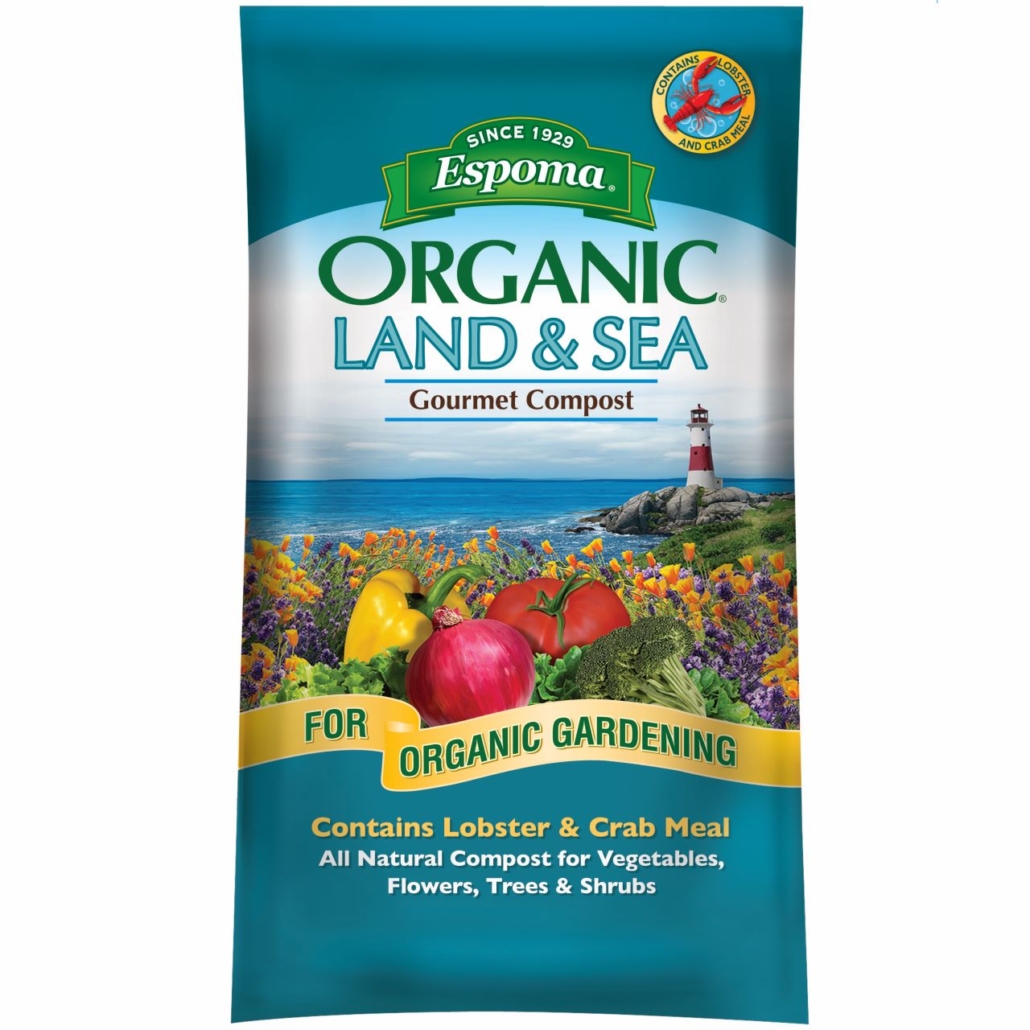
Espoma Organic Land and Sea Gourmet Compost is a rich organic planting mix designed to improve native soil and revitalize container gardens. Enriched with both lobster and crab meal, it supports healthy growth for vegetables, flowers, trees, and shrubs. The blend also includes myco-tone endo and ecto mycorrhizae and contains no synthetic plant foods or chemicals.
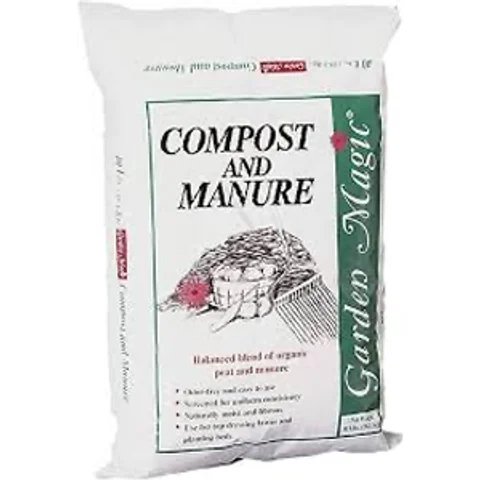
Enhance soil nutrition and garden vitality with this organic peat compost and manure blend designed for lawns and raised beds. The odor-free, ready-to-use mixture combines reed sedge peat and composted animal manure to support healthy growth for flowers, vegetables, and grass. Ideal for improving potting soil in planters or container gardening projects, each bag provides ample coverage for small-scale planting needs.
Placing the Rocks
Use a single rock type throughout the garden for a natural look. Limestone, sandstone, and local fieldstone all work well. Avoid mixing rock types: the effect looks artificial rather than geological.
Place the largest rocks first, at the base and as anchor points. Bury at least one-third and preferably one-half of each rock’s volume below the surface. This anchors the rock against movement, makes it look settled and natural rather than balanced on top of the soil, and, critically, angles the top surface of the rock very slightly backward to direct rainfall toward the root zone of plants growing alongside it rather than away from it.
Group rocks in clusters of two to five, oriented with the same bedding plane angle to suggest stratified geological layers. Leave planting pockets and gaps between rock clusters filled with the growing medium.
Planting and Top-Dressing
Plant rock garden plants in the pockets between rocks, firming soil well around root balls. Work the growing medium into any air gaps around the roots. After planting, apply a 2 to 3 centimeter layer of fine grit or pea gravel as a top-dressing around the base of each plant. The grit top-dressing prevents crown rot by keeping moisture away from the plant’s base, reflects heat onto the foliage (which alpine plants benefit from), and suppresses weed germination in the gaps.
For plant selection suited to rock gardens and rockeries, the best plants for a rockery guide covers species for sun and partial shade, different growth habits, and seasonal interest.