
Pests in Compost: How to Keep Rats, Flies, and Insects Out
Pests in a compost pile are almost always a response to specific attractants and access opportunities, not an inevitable feature of outdoor composting. Understanding what each pest is attracted to and how it gains access gives you the information needed to prevent the problem in the first place and to eliminate an existing infestation.
Rats and Rodents
Rats are the most serious pest concern in home composting because they are persistent, burrow under barriers, and create safety concerns for households with children and pets. A pile that attracts rats has food material that is accessible and attractive to them: typically cooked food, bread, rice, meat, fish, or dairy left exposed or in a bin with inadequate rodent proofing.
Prevention: Exclude all meat, dairy, cooked food, and processed carbohydrates from the pile. Bury all kitchen scraps in the center of the pile and cover immediately with a thick layer of brown material. Use a rodent-proof bin with a solid metal or heavy-duty plastic base, or a raised tumbler that eliminates ground-level access. Inspect regularly for burrowing activity around the base of the pile.
If rats are already present: Stop adding any food material to the pile temporarily. Lay hardware cloth (metal mesh with openings no larger than 0.5 inches) around the base of the bin and extend it outward at least 12 inches to deter burrowing. Remove any food material you can locate within the pile. In persistent infestations in a residential area, contacting local pest control is appropriate. The fly and insect species most commonly associated with garden pest pressure around compost piles, and how they relate to broader garden pest management, are covered in the garden pest control guide.
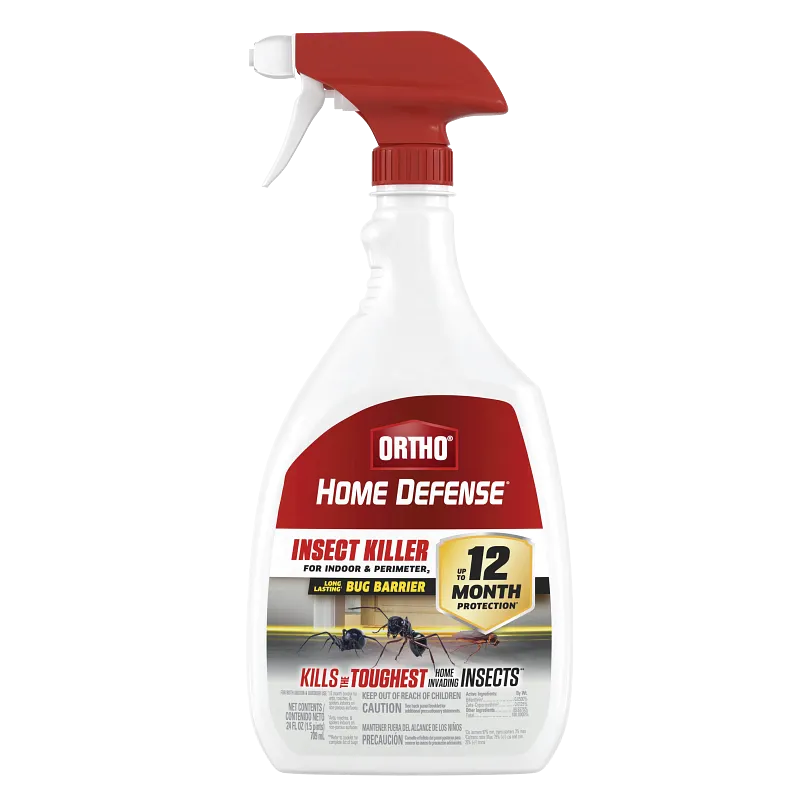
Ortho Home Defense Backyard Mosquito and Bug Killer Area Fogger helps control horse flies, deer flies, mosquitoes and other listed backyard pests. It provides up to 12-month protection indoors on non-porous surfaces and can be used to create a perimeter barrier outdoors. The ready-to-use trigger sprayer applies a clear, fast-drying, no-fumes formula for convenient spot or barrier treatment.
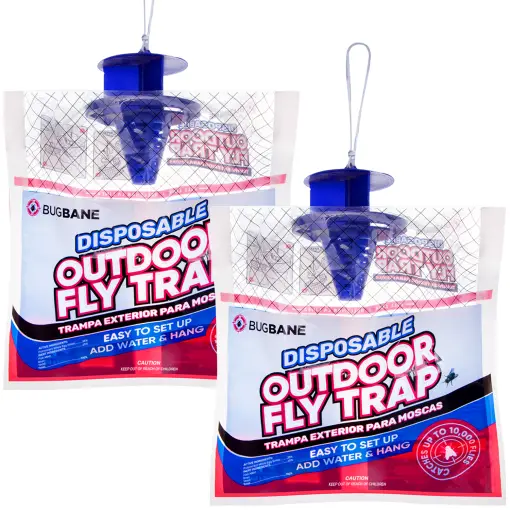
Discreetly draw flies away from your home with disposable outdoor hanging fly trap bags. The non-toxic bait is safe for kids and pets, activates with water, and attracts filth flies quickly using odor plus a visual lure. Hang the trap about 20 feet from your home, then dispose in outdoor trash for easy cleanup.
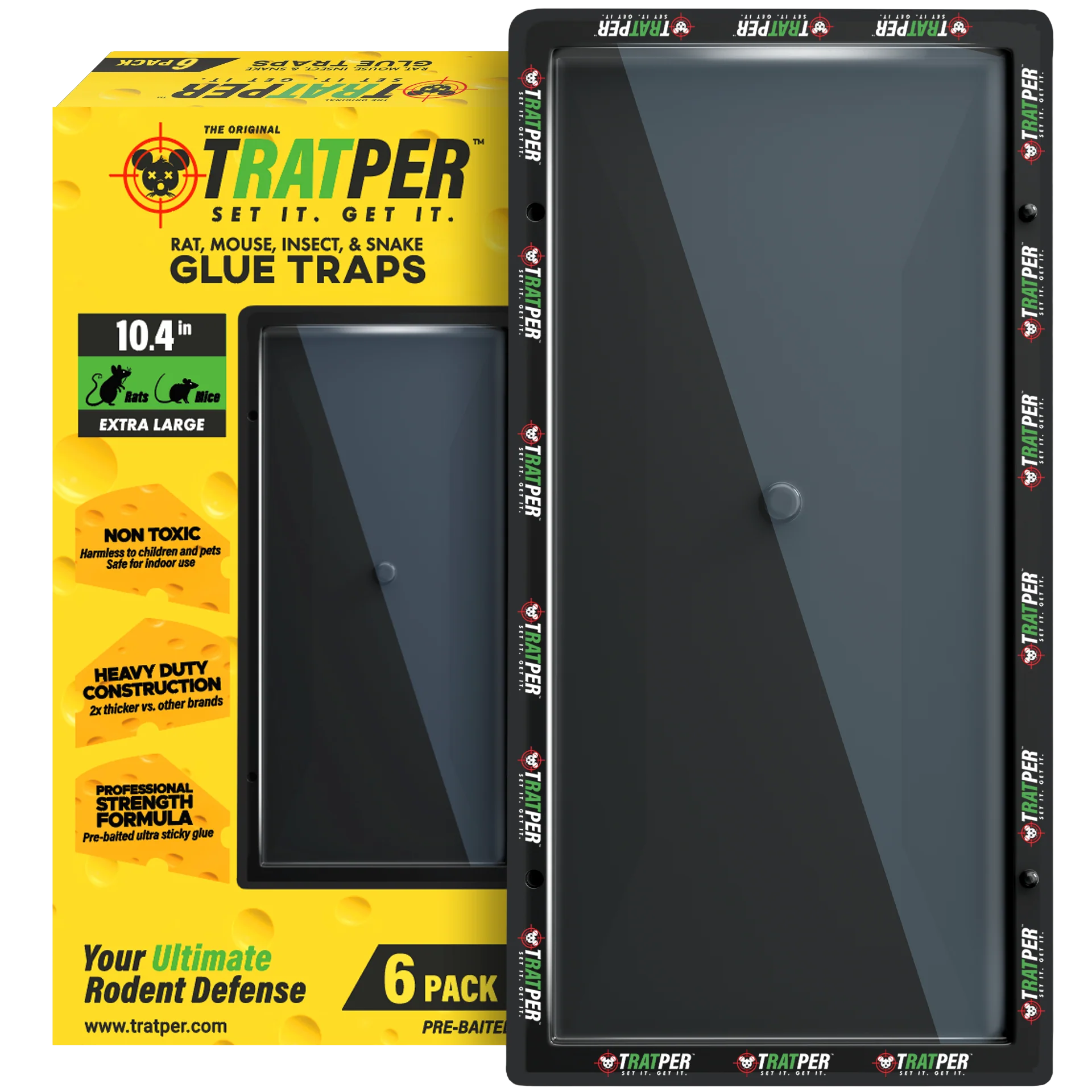
Tratper ready-to-use glue traps for mice, rats, and other pests come pre-baited with a peanut-butter scent so you can deploy them quickly. The extra-strength, high-tack adhesive in a heavy-duty plastic tray helps prevent excessive movement and improves capture. These non-toxic, chemical-free traps help control rodents and insects in home or commercial spaces without poisons, with easy disposal once a pest is trapped.
Houseflies and Blowflies
Houseflies and blowflies lay eggs on exposed organic matter. The result is maggots in the pile, which are harmless decomposers but indicate that food material is being left accessible on the pile surface. Flies are attracted by smell: a pile with exposed fresh food scraps, particularly meat or protein-containing materials, will draw flies within minutes on warm days.
Prevention: Bury kitchen scraps immediately and cover each addition with a layer of dry brown material. This eliminates the surface smell that attracts egg-laying. Turning the pile regularly disrupts egg-laying cycles.
If maggots are present: Housefly maggots in a compost pile are not a health hazard in themselves, but they indicate the management issue described above. Cover fresh additions, reduce the frequency of new kitchen scraps temporarily, and ensure the pile has enough carbon to process the existing inputs. The maggot population reduces naturally once the accessible food material is consumed.
Fruit Flies
Fruit flies (Drosophila species) are small and persistent around fresh fruit and vegetable scraps. They are a nuisance rather than a health risk. In an outdoor pile, their presence is nearly unavoidable in warm weather. In a kitchen collection container that feeds the outdoor pile, they can be a more significant problem.
Management: Add brown material as a cover layer over fresh scraps in both the kitchen container and the outdoor pile. Keep the kitchen collection container clean and empty it every one to three days in warm weather. A tight-fitting lid on the collection container prevents fruit flies from accessing the material indoors.
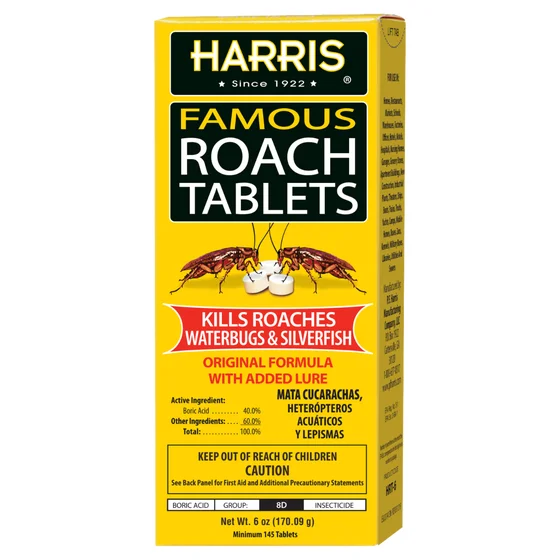
Harris Roach Tablets use boric acid with a formulated lure to attract roaches and help eliminate infestations at the source. The EPA-registered tablets are long lasting when kept dry and are designed to kill the entire colony by roaches carrying the bait back to their nests. Easy to conceal in hidden areas like under drawers, appliances, and cabinets, they offer an alternative to bait traps for treating multiple rooms.
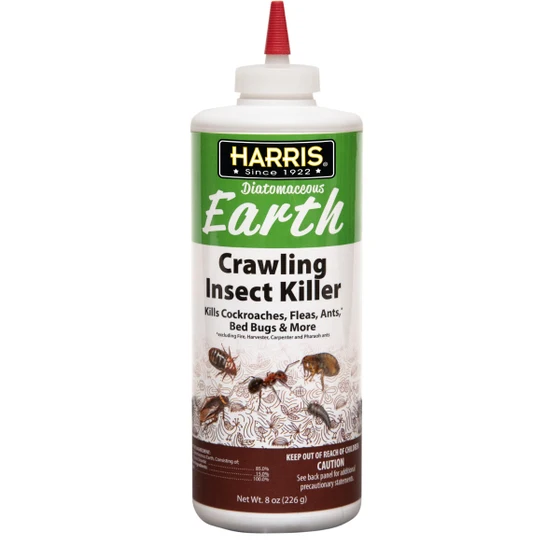
Harris Diatomaceous Earth Crawling Insect Killer is a ready-to-use 100% natural dust that targets crawling pests including ants, roaches, bed bugs, and fleas. Insects that contact or ingest the powder die within 48 hours when applied in cracks, crevices, and other hiding areas. Suitable for indoor and outdoor use with a powder duster included for easy application.
Ants
Ants colonizing a compost pile indicate the pile is too dry. Ants establish nests in dry, stable environments and avoid moist, thermally active compost. If ants are nesting in the pile, rehydrate it (covered in the pile too dry guide) and turn regularly to disrupt the nest structure.
Wasps
Wasps are occasionally attracted to sweet or fermenting fruit in a compost pile in late summer. Managing this involves burying fruit scraps immediately and covering with brown material. Wasps do not typically nest in an active, regularly turned pile. If a nest is present, it will need professional removal before you can safely continue turning.