
Best Riding Lawn Mower for Large Yards
A riding lawn mower becomes the practical tool when walk-behind mowing of the full lot takes more than 60 to 75 minutes per session at an acceptable pace. That threshold falls at roughly half an acre for a 21-inch walk-behind running weekly. Above half an acre, a riding mower with a 42 to 54-inch cutting deck covers the same area in a fraction of the time and without the physical fatigue of walking. Riding mowers also suit buyers with mobility limitations that make sustained walking behind a mower impractical regardless of lot size.
Lawn Tractor vs Zero-Turn: The Primary Format Decision
Two riding mower formats serve the residential market. Lawn tractors steer with a conventional steering wheel and front-wheel steering, turning in a radius of approximately 18 inches for a typical 42-inch-deck model. Zero-turn mowers use two independent hydraulic levers or steering levers to control each rear drive wheel independently, producing a turning radius of zero: the mower can spin on its own footprint. This distinction is more important than it might appear, because the turning capability determines how much manual trimming is needed after the mowing pass.
Lawn tractors are better suited to lots with slopes exceeding 15 degrees, because the front-wheel steering geometry keeps weight over the rear drive wheels on grades more safely than zero-turn rear-drive systems. They are also simpler to operate and more forgiving for first-time riding mower users. Zero-turn mowers are the faster format on open, relatively flat lots because the operator can maneuver around obstacles without stopping or reversing, and the zero-radius turn eliminates the need to trim missed corners that a tractor would require a three-point turn to address. For large, open lots with moderate terrain, zero-turn reduces the total mowing time considerably.
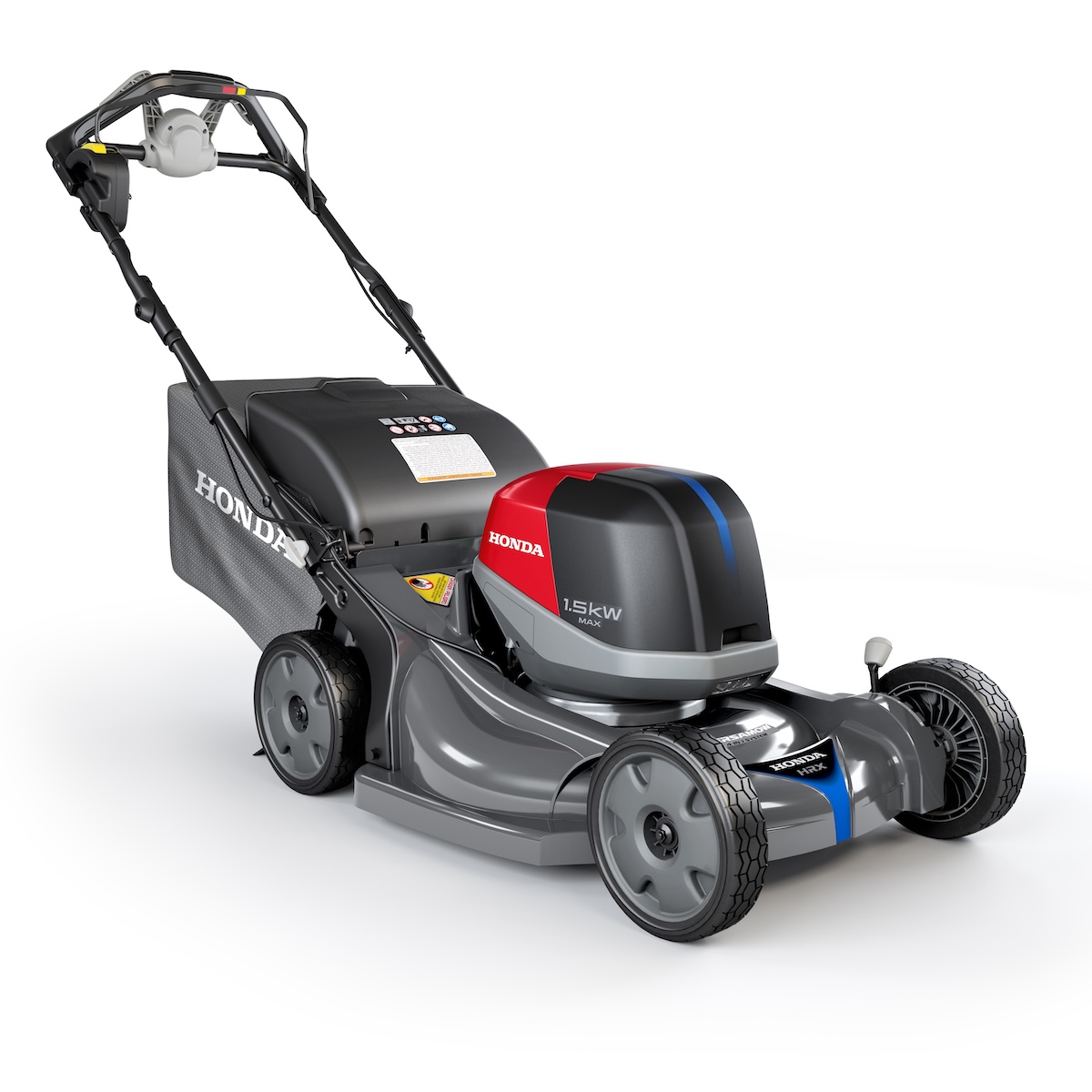
The Honda HRX-BV battery powered lawn mower delivers high torque performance for clean cutting in thick and tall grass. It features 4-in-1 Versamow with Clip Director for...
Deck Size
Deck size determines how many passes are needed to cover the lot and therefore how long mowing takes. The residential riding mower market is dominated by 42, 46, 48, 50, and 54-inch deck sizes. A 42-inch deck on a lawn tractor suits lots up to about an acre with moderate efficiency. A 46 to 48-inch deck on a zero-turn cuts the same lot notably faster. A 54-inch deck is the standard for lots of an acre or more and for buyers who prioritize speed on large, open areas.
Engine Output
Riding mower engines in the residential category range from approximately 14 to 26 horsepower. Larger engines handle steeper terrain, heavier grass, and the additional load of optional attachments including collection bags, dump carts, and snow throwers without bogging down. A 17 to 19 horsepower engine suits most residential lots without optional heavy-duty attachments. A 22 to 24 horsepower engine suits buyers with heavy grass, slopes, or plans to use the mower with a tow-behind cart or collection system through the season.
Best Riding Mower Picks
Best lawn tractor overall: Husqvarna YTH18542
The Husqvarna YTH18542 is an 18.5 horsepower Briggs and Stratton-powered lawn tractor with a 42-inch fabricated deck, cruise control, and a 6-speed transmission. It suits lots from a half acre to about an acre and a half on moderately sloped terrain. The air induction mowing technology in the deck design lifts grass before cutting to produce a cleaner result in lighter or standing grass. The hydrostatic transmission option is available in the slightly upgraded YTH24V48 for buyers who prefer automatic over manual gear selection.
Best zero-turn for flat lots: Ariens IKON XD 52
The Ariens IKON XD 52 is a residential zero-turn with a 52-inch fabricated deck and a 23 horsepower Kawasaki engine. It suits lots from three-quarters of an acre to two acres on open, relatively flat ground where the zero-radius turning speed advantage is fully realized. The commercial-style fabricated deck produces a more consistent cut height than stamped decks at the same price point.
Best value lawn tractor: Cub Cadet XT1 LT42
The Cub Cadet XT1 LT42 is the most accessible-price riding mower with a hydrostatic transmission in the mainstream residential market. The 18 horsepower Kohler engine, automatic transmission, and 42-inch deck cover lots up to about an acre reliably. It suits buyers whose primary requirement is a riding mower that starts reliably, cuts evenly, and requires no gear-shifting during the mowing session.
Best battery riding mower: Ryobi 80V HP Brushless 30-Inch
Battery technology has entered the riding mower category with the Ryobi 80V HP brushless riding mower. With a 30-inch deck and four 80V batteries powering the drive and blade systems, it suits lots of up to a half acre on a single charge set. It eliminates gas, oil changes, and carburetor maintenance entirely. It is quieter than any gas rider and produces no direct emissions. The 30-inch deck width is narrower than most gas riders in the same price range, and it suits buyers transitioning fully to battery tool ecosystems who are willing to accept a slightly longer mowing time in exchange for eliminating gas.
Slope Safety
Riding mowers should not be used on slopes steeper than the manufacturer’s rated gradient, typically 10 to 15 degrees for most residential lawn tractors and somewhat less for zero-turn models, which are more prone to tipping on grades because of their rear-weight-biased drive system. On slopes within the rated range, a lawn tractor with front-wheel steering is the safer and more predictable format. On lots with sections that exceed the rated gradient, those areas should be managed with a walk-behind self-propelled mower while the rider handles the flat sections. The best self-propelled mower guide covers the front-wheel, rear-wheel, and all-wheel drive options that handle slopes in the walk-behind category.