
Best Small Rototiller for Home Gardens and Raised Beds
A small rototiller prepares new garden beds and renovates established ones by breaking up soil to planting depth. For home gardens up to about 500 square feet and raised bed preparation, a front-tine or mid-tine mini-tiller handles the task without the weight and storage footprint of a full-size rear-tine unit. The key buying variables are tilling width, tilling depth, whether the tines are front-mounted or mid-mounted, and power source. Matching these to the specific bed layout and soil type determines whether the tiller breaks the ground cleanly or struggles.
Tilling Width and Depth
Tilling width determines how many passes are needed to cover the bed area. A mini-tiller with a 6-inch tilling width requires six passes to cover a 3-foot-wide raised bed. A tiller with a 16-inch width covers the same bed in two passes. For narrow raised beds, a 6 to 10-inch tilling width is actually easier to maneuver without the tines climbing the bed frame sides. For wide in-ground beds, a 12 to 18-inch width is more efficient.
Tilling depth determines how deep the soil is broken. For standard vegetable garden beds, a working depth of 8 to 10 inches is adequate for most crops. Root vegetables and beds with heavy clay benefit from 10 to 12-inch depth. Most small residential tillers tilt to 6 to 10 inches depending on soil hardness and how well the tines are maintained.
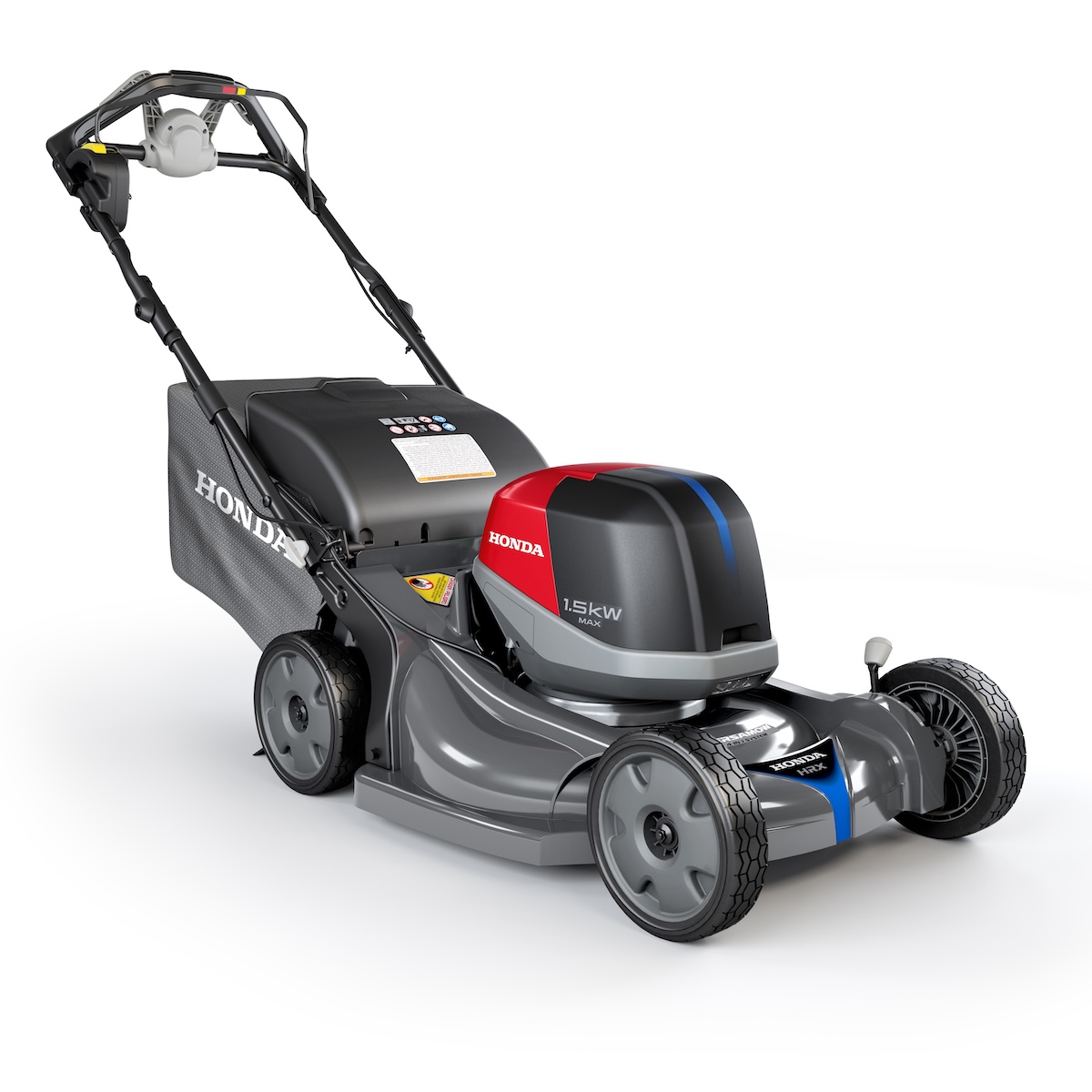
The Honda HRX-BV battery powered lawn mower delivers high torque performance for clean cutting in thick and tall grass. It features 4-in-1 Versamow with Clip Director for...
Best Small Rototiller Picks
Best overall gas mini-tiller: Mantis 7940 4-Cycle
The Mantis 7940 is the benchmark mini-tiller for residential garden beds and raised bed preparation. Its 4-cycle 25cc Honda engine eliminates the fuel-mixing step of two-stroke alternatives, and the 9-inch tine width is narrow enough for raised beds and wide enough to work a 3-foot-wide bed in three passes. Tilling depth reaches 10 inches in loose soil and 6 to 8 inches in compacted or clay-heavy soil on the first pass. The boomerang-shaped tines are the design element that distinguishes the Mantis from competitors: the curved tine profile produces a deeper cutting action than straight tines at the same power level and is replaceable when worn. The Mantis suits beds up to 250 square feet as a primary tiller.
Best electric mini-tiller: Sun Joe TJ604E
The Sun Joe TJ604E is a corded electric mini-tiller with a 13.5-amp motor and a 16-inch tilling width. At 27 pounds, it is lighter than comparable gas tillers and starts instantly with a switch. Tilling depth is 8 inches maximum. The wider tilling width means fewer passes for in-ground beds. The corded operation limits the working radius to the cord length, which suits beds within 50 to 100 feet of an outdoor outlet. It does not require fuel or oil changes and is the most maintenance-free small tiller option.
Best battery tiller: Greenworks 40V 10-Inch
The Greenworks 40V battery tiller uses a 40V lithium-ion battery and delivers 10-inch tilling width and 5 to 7-inch tilling depth in prepared soil. Runtime on a 4.0Ah battery is approximately 25 to 35 minutes, which covers a 200 to 300 square foot bed in a single charge. It suits buyers who want a battery-powered option within the Greenworks 40V ecosystem and are working in previously prepared or loose soil. In hard or compacted soil, the battery motor’s torque is lower than gas alternatives and may require multiple passes to reach full depth.
Safe Tilling Practice
The how to use a garden tiller safely and effectively guide covers the correct approach for each tine configuration, how to avoid the tiller jumping forward on hard soil, how to make turning passes without damaging the tines, and the depth adjustment procedure for different soil conditions.