
How to Clean a Lawn Mower Carburetor
A carburetor that has been exposed to degraded fuel develops gum and varnish deposits that restrict the small fuel passages controlling fuel delivery at idle, partial throttle, and full throttle. The most common symptoms are difficulty starting, stalling at idle, rough running, and loss of power under load. In most cases, these symptoms are caused by a dirty carburetor rather than a mechanical engine failure, and a cleaning restores normal operation without replacing the unit.
When to Clean vs When to Replace
Cleaning is appropriate when the carburetor is intact, the passages are restricted but not corroded through, and the float and needle valve are not visibly damaged. If the carburetor body has visible cracks, the main jet has been drilled or damaged, or the float has corroded through, replacement is more practical than repair. A replacement carburetor for common residential mower engines costs $15 to $40 and is often easier to fit than cleaning a severely deposited original.
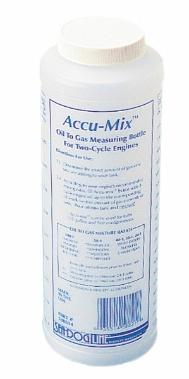
Sea Dog Accu-Mix helps you accurately measure the correct oil-to-gas mixture for 2-cycle engines. The see-through bottle shows multiple mix ratios, including 24:1, 33:1, 40:1, 50:1, and 100:1, so you can measure in both liters and gallons. This reduces guesswork and helps ensure your crew mixes fuel correctly every time.

Pit Posse PP3318 is a racing utility measuring cup designed to mix 2-stroke oil and other engine fluids to accurate ratios. It features readable CC and ounce marks plus a 16:1 to 70:1 premix scale to remove guesswork and help you add the right amount quickly. A durable polyurethane jug with a debris-preventing cap and spill-resistant lid helps keep mixtures clean and easier to stir or shake for an even blend.
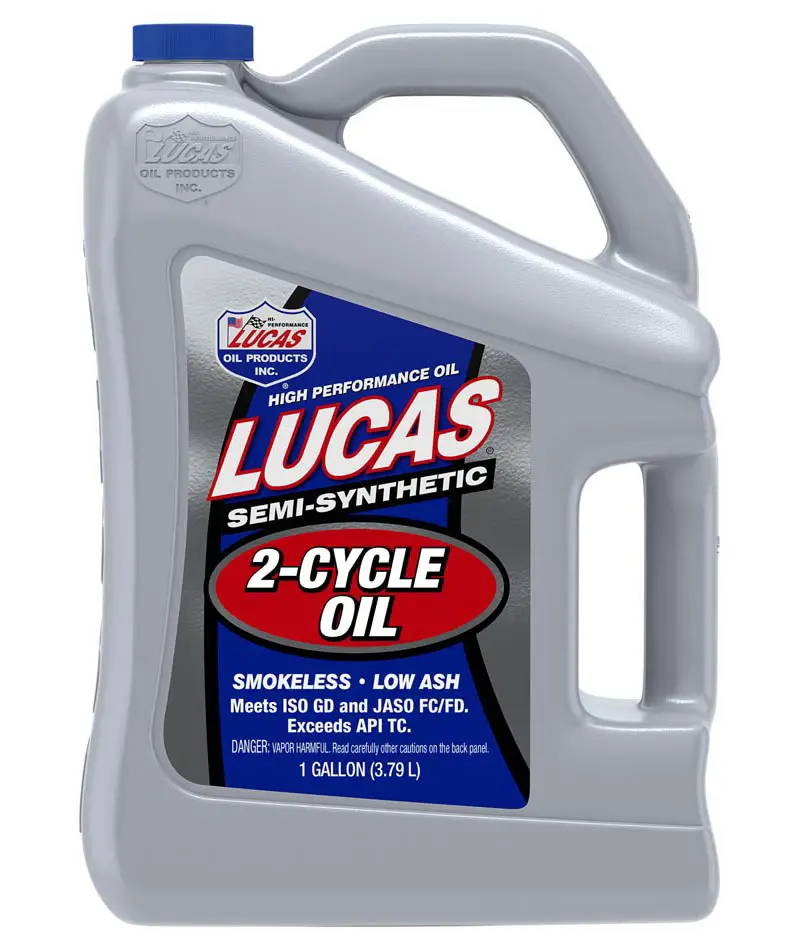
Lucas Oil High Performance semi-synthetic 2-cycle motor oil is specially formulated for oil injection systems or premix ratios up to 50:1. Its advanced smokeless formula with low-ash additives helps deliver cleaner burning, reducing emissions and improving power. An ashless detergent inhibitor package helps minimize spark plug fouling and combustion deposits for cleaner exhaust ports and long trouble-free engine life.
Before Starting
Carburetor cleaner solvent is flammable and produces strong fumes. Work outdoors or in a well-ventilated space with no open flame or pilot light nearby. Wear nitrile gloves and eye protection. Have rags available for fuel spills. Disconnect the spark plug lead before beginning any work on the engine.
Following the Steps
The HowTo steps above cover the complete disassembly and cleaning procedure for the most common residential mower carburetor configuration (Briggs and Stratton and Honda float-type carburetors). The specific carburetor on the mower may have minor variations in the bowl bolt location, linkage connection points, and jet positions, but the overall sequence applies broadly.
The NO-SPILL 2-1/2 gal Gas Can makes fueling cleaner and more controlled with a thumb button that starts and stops flow instantly. A 7/8-inch funnel spout with an attached...
After Reassembly
If the engine still runs poorly after cleaning and reassembly, check the carburetor bowl gasket for deterioration (it should compress and seal cleanly), confirm the needle valve rubber tip is undamaged, and verify the choke and throttle linkages are connected correctly per the reference photo. If problems persist after confirming all of these, the engine may have a different underlying issue such as a worn spark plug, a restricted air filter, or a compression problem that the carburetor cleaning would not address.
The spark plug replacement guide covers the plug inspection and replacement step that should accompany carburetor cleaning in any seasonal maintenance session.