
How to Change a Spark Plug on a Lawn Mower or Trimmer
A spark plug produces the electrical spark that ignites the air-fuel mixture in the combustion chamber. Plugs wear over time: the electrode gap widens as the electrode material erodes, and deposits from combustion accumulate on the ceramic insulator and electrode surfaces. A worn plug misfires, starts poorly, runs roughly at idle, and reduces engine efficiency. Annual plug inspection and replacement when needed is one of the simplest and most effective maintenance steps for any gas outdoor power tool.
Tools Required
A spark plug socket in the correct size (typically 5/8-inch or 3/4-inch), a ratchet with extension, and a feeler gauge or spark plug gap tool are the only tools needed. Spark plug sockets have a rubber insert inside that grips the ceramic insulator and prevents it from cracking during installation. A standard deep socket does not provide this protection and risks cracking the ceramic.
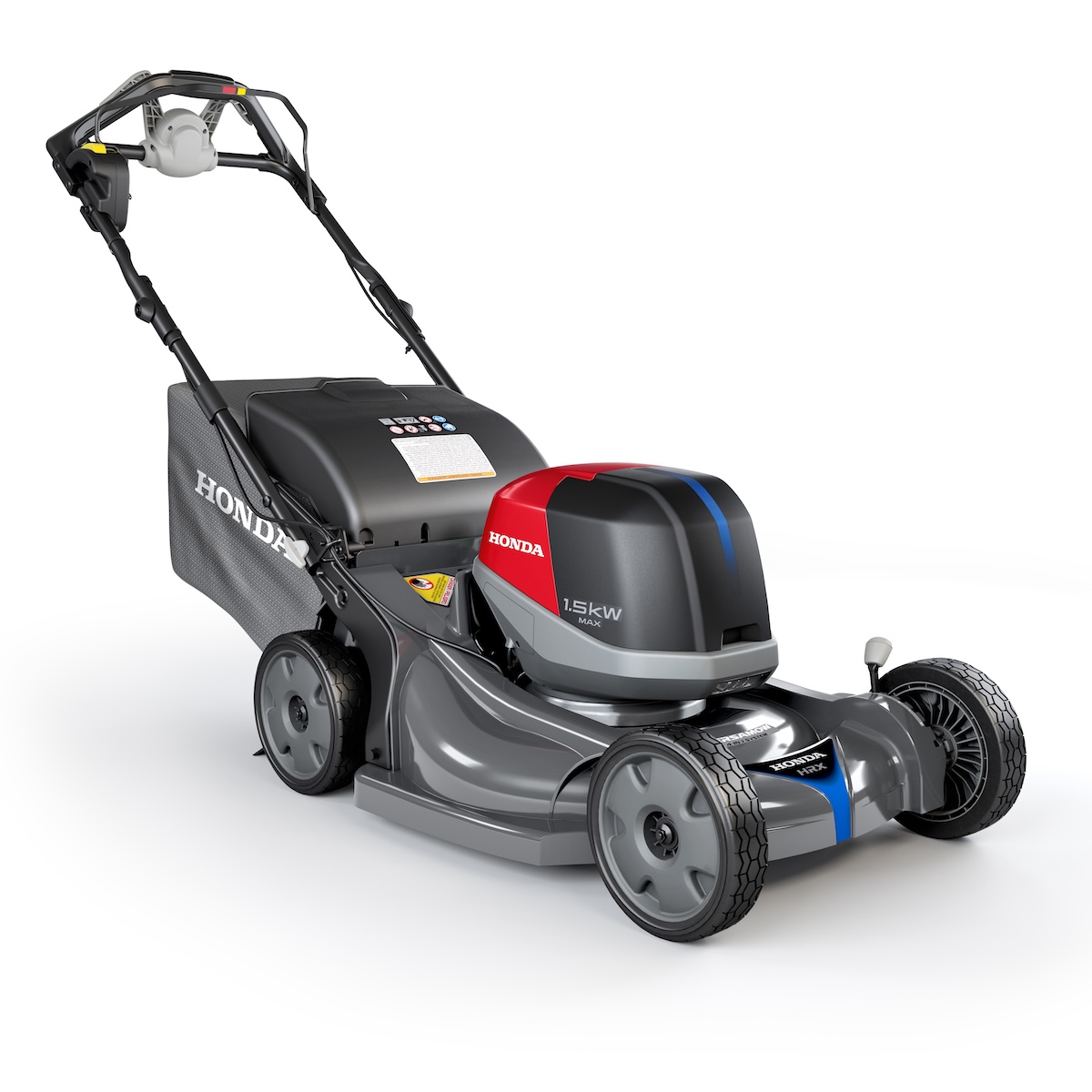
The Honda HRX-BV battery powered lawn mower delivers high torque performance for clean cutting in thick and tall grass. It features 4-in-1 Versamow with Clip Director for mulching, bagging, discharge, and leaf shredding without attachments. Enjoy variable speed self propulsion, adjustable cutting height, and up to 30 minutes of run time per charge for about 1/4 acre.
The NO-SPILL 2-1/2 gal Gas Can makes fueling cleaner and more controlled with a thumb button that starts and stops flow instantly. A 7/8-inch funnel spout with an attached dust cover helps fill small equipment while keeping the spout clean. The integrated 20 mesh stainless steel screen and auto-stop feature cut off fuel before overflow to reduce mess and accidental spills.
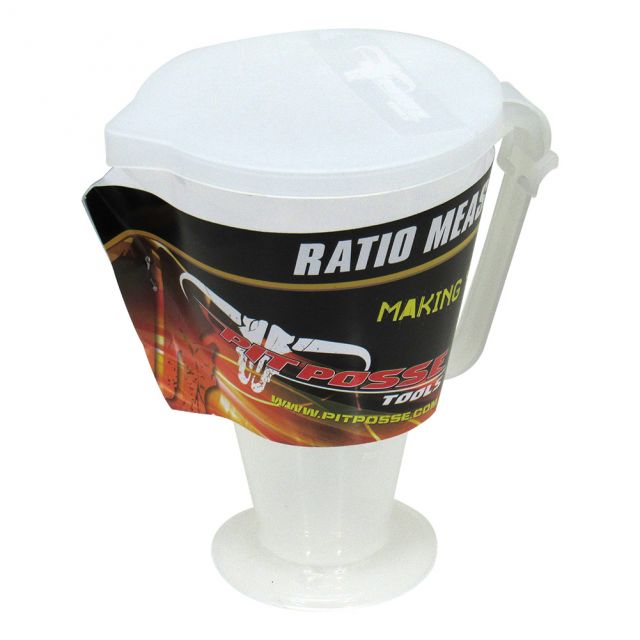
Pit Posse PP3318 is a racing utility measuring cup designed to mix 2-stroke oil and other engine fluids to accurate ratios. It features readable CC and ounce marks plus a 16:1 to 70:1 premix scale to remove guesswork and help you add the right amount quickly. A durable polyurethane jug with a debris-preventing cap and spill-resistant lid helps keep mixtures clean and easier to stir or shake for an even blend.
Reading the Old Plug
The condition of the electrode and ceramic on the removed plug provides useful diagnostic information about how the engine is running before the new plug goes in. A normal plug has light tan to grey deposits, a slightly rounded center electrode, and no damage to the ceramic. Replacing the plug on a normally operating engine is maintenance. Replacing a plug that shows lean burn (white ceramic, bluish discoloration), rich running (black carbon), or oil fouling resolves the immediate starting problem but does not address the underlying cause. Fuel mixture, air filter condition, and oil control ring condition are the areas to investigate if the plug condition is abnormal.
Replacement Interval
Most small engine manufacturers recommend annual spark plug replacement for residential use equipment, or replacement when inspection shows worn or fouled electrodes. The cost of a replacement plug ($3 to $8 for most residential small engine plugs) is low enough that annual replacement at the start of the mowing season is a straightforward preventive step that eliminates plug condition as a variable in any starting difficulty that arises during the season.
The full seasonal startup maintenance sequence, including plug replacement alongside air filter service and oil level check, is covered in the lawn mower maintenance guide in the lawn care section.
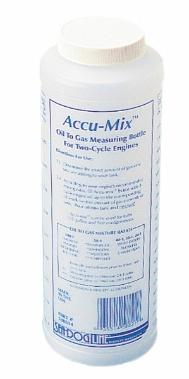
Sea Dog Accu-Mix helps you accurately measure the correct oil-to-gas mixture for 2-cycle engines. The see-through bottle shows multiple mix ratios, including 24:1, 33:1, 40:1, 50:1, and 100:1, so you can measure in both liters and gallons. This reduces guesswork and helps ensure your crew mixes fuel correctly every time.
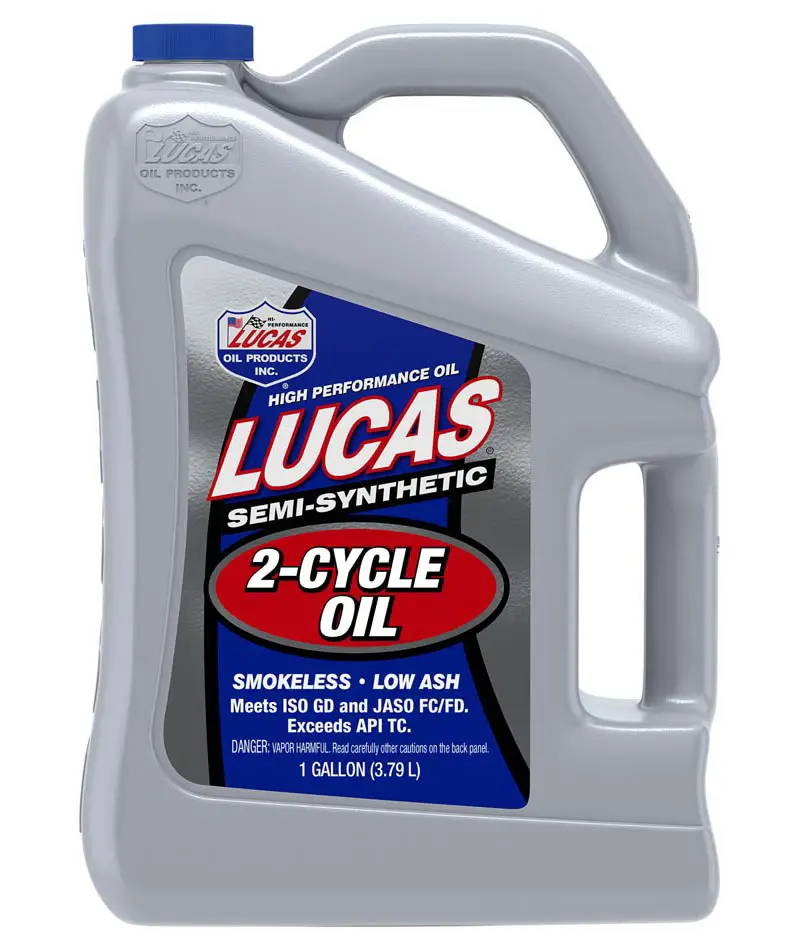
Lucas Oil High Performance semi-synthetic 2-cycle motor oil is specially formulated for oil injection systems or premix ratios up to 50:1. Its advanced smokeless formula with low-ash additives helps deliver cleaner burning, reducing emissions and improving power. An ashless detergent inhibitor package helps minimize spark plug fouling and combustion deposits for cleaner exhaust ports and long trouble-free engine life.