
Oak Tree Care Guide for Homeowners
Oaks are among the most valuable and longest-lived trees in the residential landscape. A healthy, well-sited oak requires less annual maintenance than almost any other landscape tree, but the decisions made in its first decade of life, particularly around pruning timing, site preparation, and avoiding construction damage to the root zone, determine the tree’s health for generations.
Soil and Site Requirements
Oaks are adaptable to a wide range of soils but have consistent preferences. Most species perform best in well-drained, slightly acidic to neutral soil with a pH of 5.5 to 7.0. They are intolerant of standing water and poorly drained conditions, which encourage Phytophthora root rot and can kill oaks within a few seasons.
USDA zone range varies by species: white oak (Quercus alba) is reliably hardy from zones 3 to 9, pin oak (Q. palustris) from zones 4 to 8, and live oak (Q. virginiana) from zones 7 to 10. Choose a species suited to your climate zone.
Oaks prefer full sun, particularly for crown development and mast production. A young oak planted in part shade grows slowly and develops a thin, asymmetrical canopy. Site in a location that will receive at least 6 hours of direct sunlight as the tree matures.
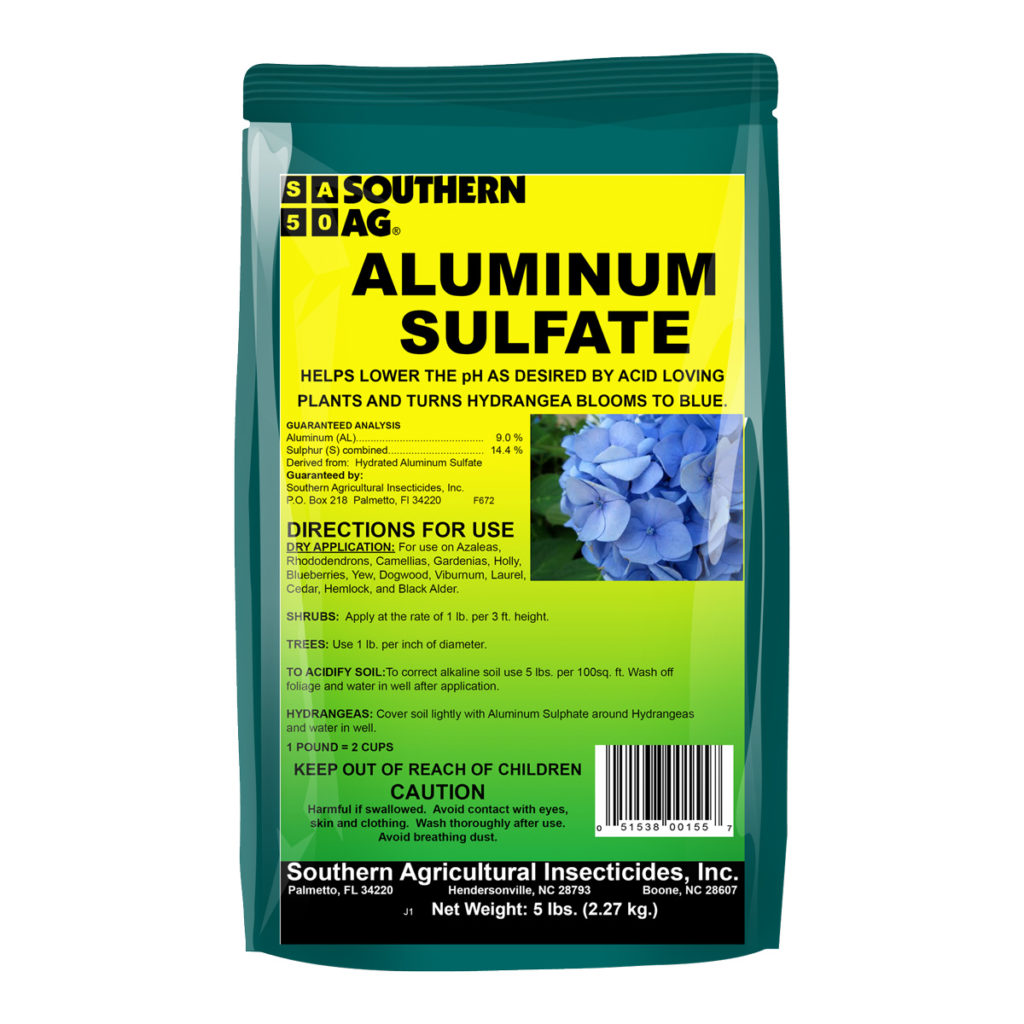
Southern Ag Aluminum Sulfate is a soil acidifier that helps lower pH and corrects high alkalinity, making it ideal for acid-loving plants. It’s great for hydrangeas and other shrubs and trees that prefer acidic conditions, including rhododendrons, blueberries, azaleas, and more. Broadcast evenly and wash off foliage, then water after application.
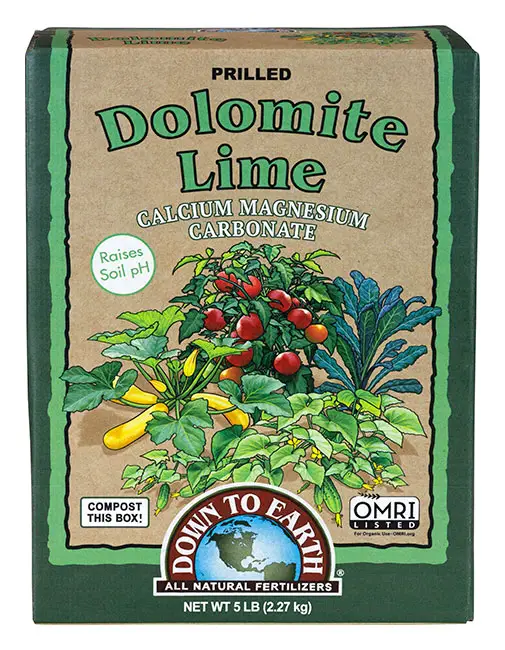
Down To Earth Organic Prilled Dolomite Lime helps raise acidic soil pH for better nutrient uptake and healthier vegetable gardens. Its rich calcium and magnesium support strong cell walls, root growth, and overall plant performance. OMRI listed for organic use, the prilled granules spread easily and act quickly while improving soil structure and microbial activity.
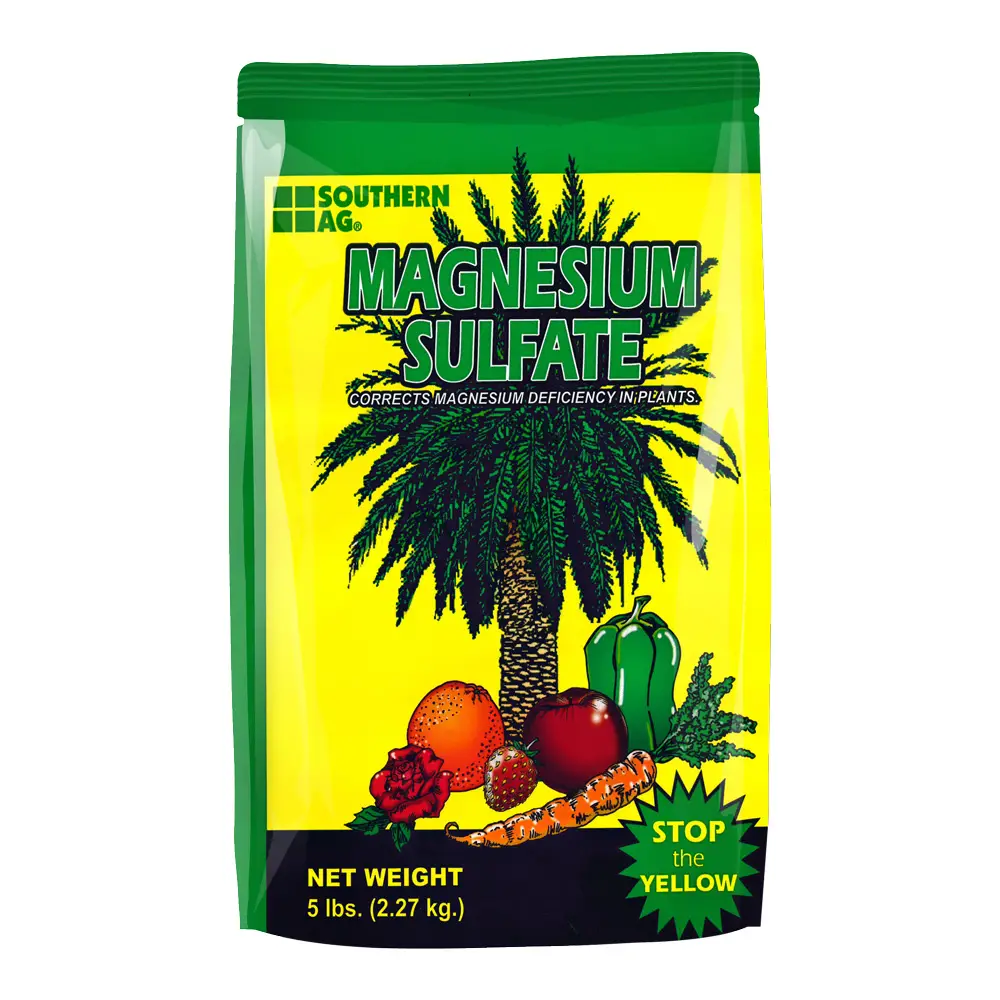
Root 98 Warehouse Southern Ag Magnesium Sulfate is a dry, water-soluble fertilizer for correcting magnesium deficiency in shrubs and trees. It helps acidify soils with less risk of staining and is designed for use on citrus, palms, trees, shrubs, annuals, and turf. Apply by spreading over the treatment area and watering in; do not mix or spray.
Watering Young Oaks
Newly planted oaks require consistent watering through their first two growing seasons. Water deeply every one to two weeks during dry periods to encourage deep root development. Deep, infrequent watering is more beneficial than frequent shallow watering: it drives roots downward into more stable soil moisture zones.
Established oaks are drought-tolerant to varying degrees by species. White oak and bur oak are among the most drought-tolerant; pin oak and willow oak are less so. In extended drought, even established oaks benefit from supplemental watering applied slowly to allow deep penetration.
Pruning and Oak Wilt
Oak pruning timing is driven by disease risk rather than aesthetic preference. Oak wilt, caused by Bretziella fagacearum, is transmitted by sap beetles attracted to fresh wounds during their activity window from approximately April through July. Prune oaks only from late fall through late winter when beetle activity is minimal.
For the full oak wilt explanation, safe timing windows, and what to do in an emergency during the risk season, the pruning oaks guide covers all of these decisions in detail.
Fertilizing Oaks
Established oaks in healthy soil with adequate organic matter rarely need fertilizing. Young oaks being established in poor or compacted soil benefit from a slow-release balanced fertilizer applied in early spring. Use a formulation in the 10-8-6 range applied at the drip line.
Avoid high-nitrogen fertilizing of established oaks: it produces excessive vegetative growth at the expense of structural wood development and can attract aphid colonies. The best fertilizer for trees guide covers the general principles of tree fertilizing that apply to oaks.
Protecting Oak Root Zones During Construction
Construction activity within the drip line of an oak tree is one of the leading causes of oak decline and death on residential properties. Soil compaction, grade changes, and severing of structural roots all damage the root system in ways that may not become visually apparent for two to five years after the activity.
If construction is planned near an established oak, establish a tree protection zone defined by the drip line perimeter and ensure that no equipment, soil piling, or material storage occurs within it. Erect physical barriers if needed. Consult a certified arborist for large trees near significant construction.