
Birch Tree Care: Soil, Watering, and Common Problems
Birch trees are among the most visually striking of all landscape trees. The white, peeling bark of paper birch and the salmon-pink exfoliating bark of river birch create year-round interest that few other species match. They are also among the more demanding trees to establish and maintain, particularly in hot, dry, or urban conditions. Understanding what birch trees need from their site, and the insect pest that is their most serious threat, determines whether a birch becomes a long-lived landscape feature or a struggling, declining specimen.
Site and Soil Requirements
Birch trees are native to cool, moist environments. Paper birch (Betula papyrifera) evolved in the boreal forests of northern North America where summers are short and mild and soil moisture is consistently available. Planting it in a hot, exposed site in USDA zone 6 or warmer sets it up for the chronic stress that makes it vulnerable to bronze birch borer.
Ideal conditions for paper birch: Full sun to part shade, cool and moist soil with consistent moisture availability, pH 5.0 to 6.5, good drainage without drought stress. Sites in the northern and cooler portions of its range (zones 2 to 6) produce the healthiest, longest-lived trees.
River birch (Betula nigra) is the better choice for warmer climates. It tolerates zones 4 to 9, handles summer heat significantly better than paper birch, and is substantially more resistant to bronze birch borer. River birch is the recommended species for landscapes south of zone 6.
Avoid planting any birch species in compacted urban soils, hot south-facing exposures, or areas subject to extended summer drought without the ability to provide supplemental irrigation.
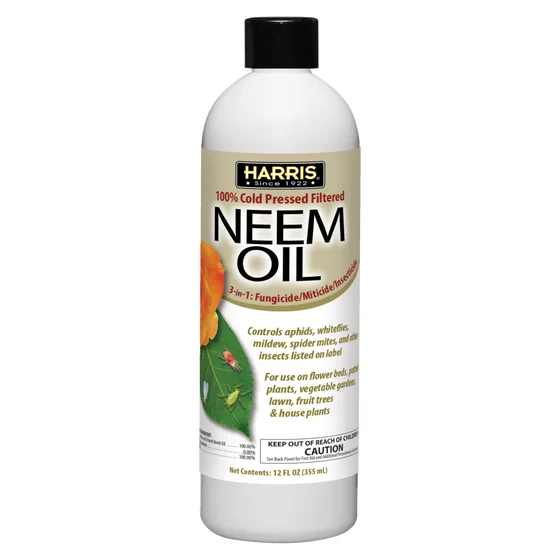
HARRIS Neem Oil Cold Pressed Water Soluble Concentrate is a 3-in-1 insecticide, fungicide, and miticide made from 100% cold pressed neem oil. It is EPA registered to help control aphids, whiteflies, mildew, spider mites, and other label-listed pests and diseases. Safe for indoor and outdoor use, it can be applied to a wide range of flowering and potted plants, vegetable gardens, lawns, ornamentals, fruit trees, and container gardening with foliar or soil treatments.
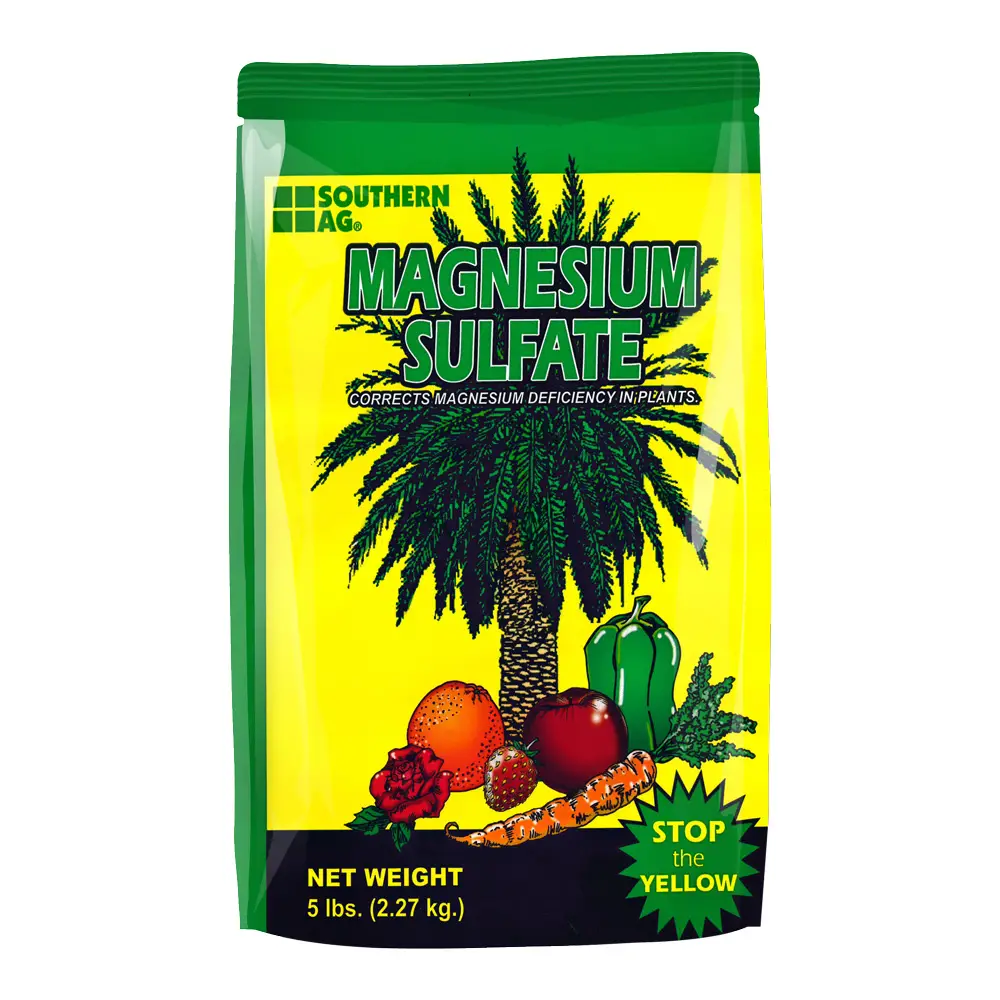
Root 98 Warehouse Southern Ag Magnesium Sulfate is a dry, water-soluble fertilizer for correcting magnesium deficiency in shrubs and trees. It helps acidify soils with less risk of staining and is designed for use on citrus, palms, trees, shrubs, annuals, and turf. Apply by spreading over the treatment area and watering in; do not mix or spray.
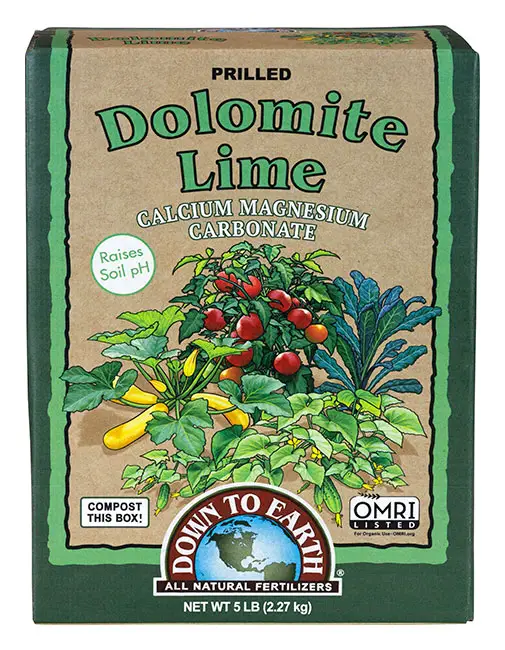
Down To Earth Organic Prilled Dolomite Lime helps raise acidic soil pH for better nutrient uptake and healthier vegetable gardens. Its rich calcium and magnesium support strong cell walls, root growth, and overall plant performance. OMRI listed for organic use, the prilled granules spread easily and act quickly while improving soil structure and microbial activity.
Watering
Consistent soil moisture is the single most important factor in birch tree health. Drought stress weakens the resin-flow defense mechanisms that resist bronze birch borer attack. During the first two to three years after planting, water deeply every one to two weeks during dry periods. For established trees in drought-prone climates, supplemental irrigation during July and August, when heat stress peaks, significantly reduces bronze birch borer risk.
Apply a 3 to 4-inch layer of organic mulch over the entire root zone out to the drip line. Mulch moderates soil temperature, retains moisture, and reduces the heat stress on the shallow, moisture-dependent root system.
Bronze Birch Borer
Bronze birch borer (Agrilus anxius) is the most serious pest of birch trees in North America. The adult beetle lays eggs in bark crevices; larvae bore through the cambium layer and disrupt water and nutrient transport. Visible symptoms include crown dieback beginning at the top of the tree and progressing downward, S-shaped galleries beneath the bark when bark is peeled back, and D-shaped exit holes where adult beetles have emerged.
Stressed trees are significantly more susceptible than vigorous, well-watered trees. Maintaining tree vigor through correct siting, consistent watering, and mulching is the most effective preventive strategy. Systemic insecticide treatments (imidacloprid applied as a soil drench or trunk injection) are available and effective as a preventive measure for high-value trees in borer-endemic areas. These treatments are most effective applied before significant infestation rather than after decline is visible.
Trees with less than 30 to 40 percent of the canopy affected may recover with treatment and improved care. Trees with more than half the canopy dead rarely recover and should be removed.
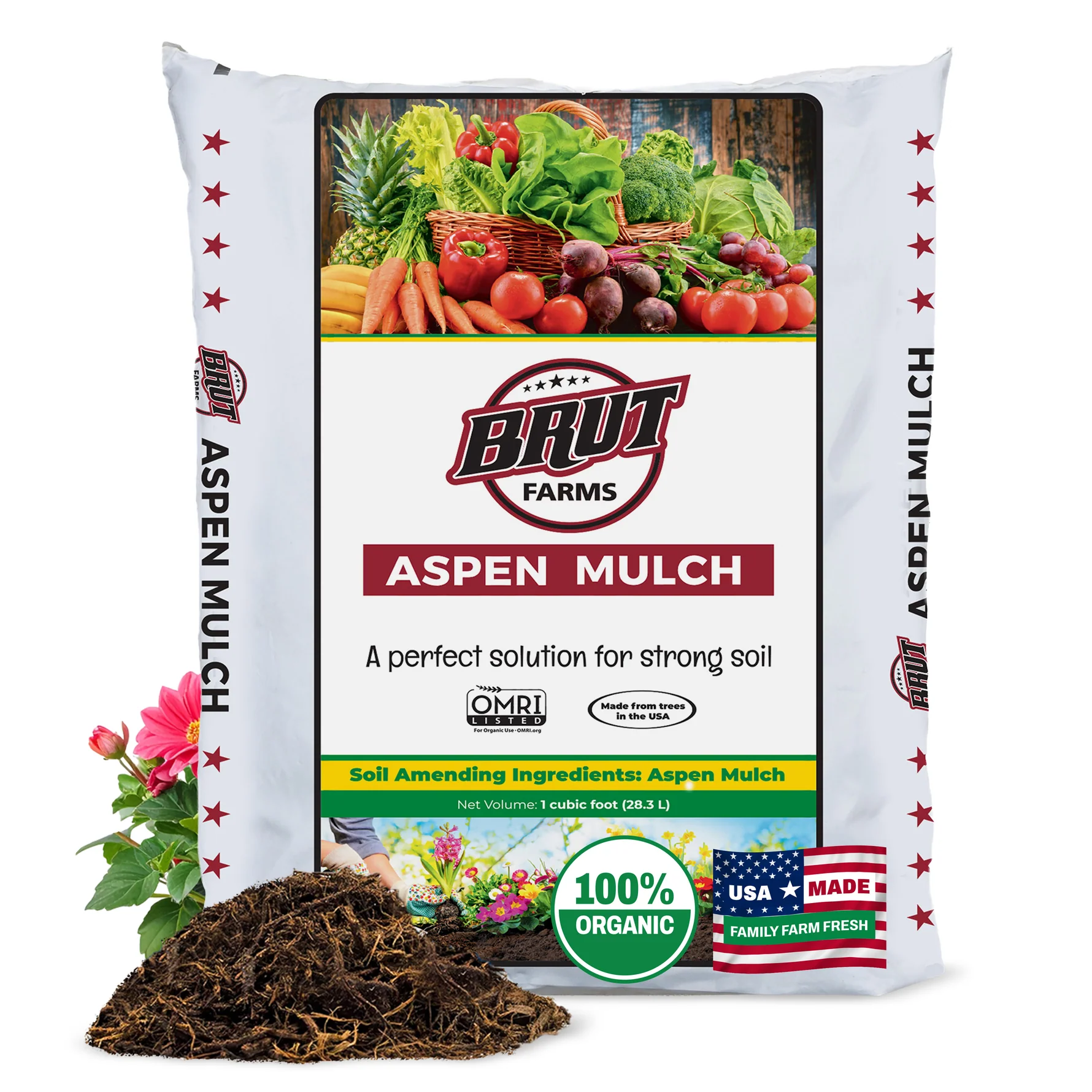
Brut Organic Aspen Mulch creates a clean, polished garden surface while helping minimize weeds naturally. Its high-carbon, odor-free aspen bark supports beneficial soil microbes and improves soil structure for healthier plants. The mulch naturally retains moisture, promoting water-efficient root hydration for garden beds, potted plants, and outdoor planters. OMRI-listed for certified organic gardening.
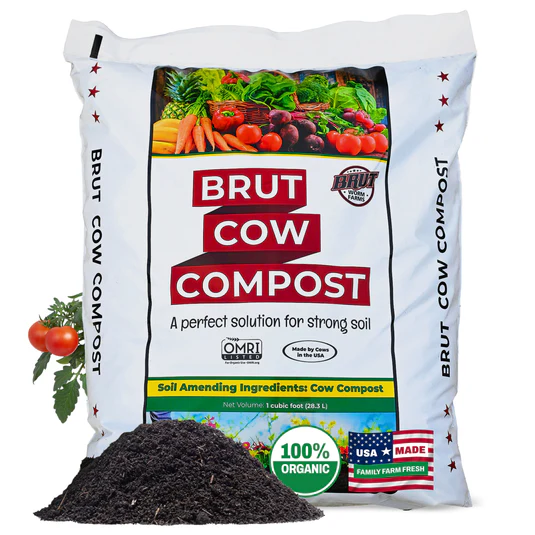
Brut Cow Compost is a nutrient-rich organic soil amendment made from 100% pure, thoroughly composted cow manure. It enriches soil with nitrogen, calcium, and iron, supports beneficial microbial life, and helps plants produce stronger growth. Odor-free and gentle on roots, it can be used for vegetables, flowers, lawns, shrubs, and indoor plants as a top dressing or mixed into garden and potting soil.
Fertilizing
Birch trees in reasonably healthy soil with adequate moisture do not need heavy fertilizing. An annual application of a balanced slow-release fertilizer (10-8-6 or similar) in early spring supports canopy density and stress resistance. For trees showing signs of nutrient deficiency, the best fertilizer for trees guide covers the general principles applicable to birch.
Pruning
Birch trees bleed sap heavily when pruned in late winter or early spring, similar to maples. Prune in late summer (August through September) when sap pressure is lower and wound closure remains active before fall. Remove dead wood, crossing branches, and any structurally problematic growth using the collar-cut technique from the how to prune guide.