
Grass Types and Seeding: The Complete Guide
Knowing your grass type is the foundation of every other lawn care decision. The right mowing height, fertilizer timing, weed control product, watering schedule, and overseeding window all depend on whether you have cool-season or warm-season turf, and on the specific species within that category. This hub covers grass identification, species selection by climate and soil, and the seeding and overseeding practices that establish and thicken a healthy lawn.
Cool-Season vs Warm-Season Grass
The most important single distinction in US lawn care is whether your grass is cool-season or warm-season. Cool-season grasses grow actively in spring and fall and slow in summer heat. Warm-season grasses grow actively from late spring through summer and go dormant in fall and winter. Fertilizer timing, weed control scheduling, seeding windows, and mowing height guidelines are all built around this fundamental difference.
The foundational overview of both categories, covering which species belong to each, how to identify which type you have, and how to choose the right one for your climate, is in warm season vs cool season grass: how to choose.
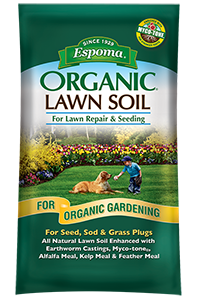
Espoma Organic Lawn Soil is an all-natural organic soil mix designed to promote seed germination and help new sod establish. It contains earthworm castings, alfalfa meal, kelp meal, and feather meal, enhanced with Espoma MYCO-TONE, a blend of endo and ecto mycorrhizae fungi. Use it anytime you sow new grass seed or install sod for organic gardening results with no synthetic plant foods or chemicals.
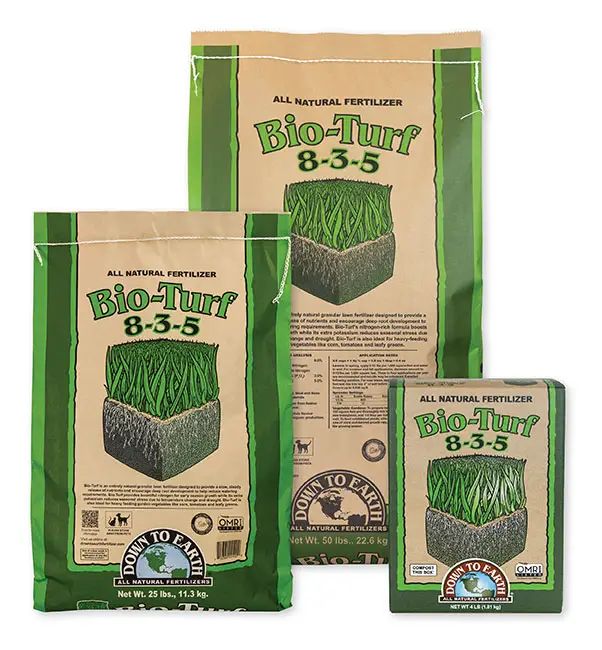
Down to Earth Bio-Turf is an all-natural 8-3-5 organic fertilizer, OMRI listed for use in organic production. It helps encourage deep root development to support greener, stronger growth while reducing watering needs and stress from heat or drought. Ideal for lawns, landscape ornamentals, and heavy-feeding garden vegetables and flowerbeds.
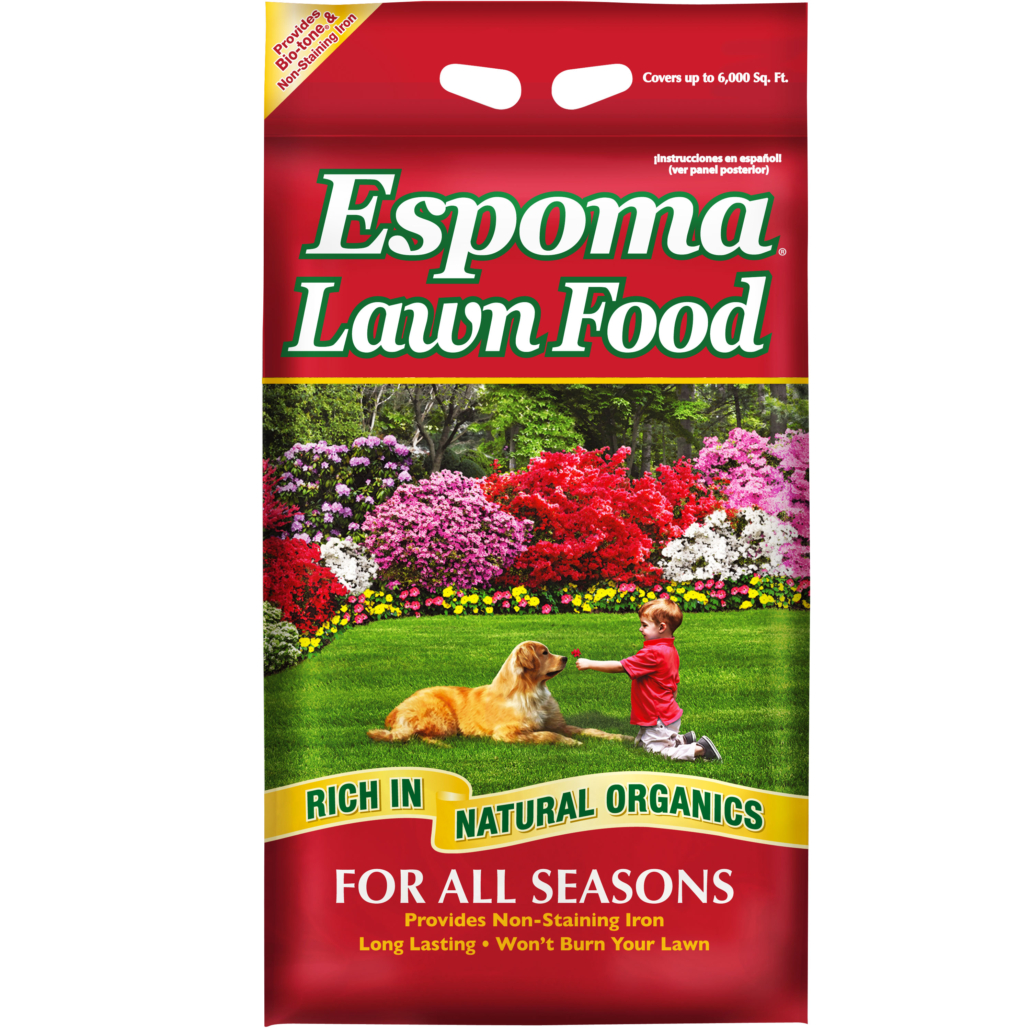
Espoma Lawn Food for All Seasons 15-0-5 provides slow-release, long-lasting nitrogen to help support a greener lawn year-round. Enhanced with iron for deep green color, it helps turn yellow lawns back to green and won’t stain concrete, sidewalks, or driveways. Safe for cool and warm season grasses, it applies in spring, summer, and fall with a drop or broadcast spreader.
Choosing Grass by Soil Type
Soil type is one of the most important factors in grass establishment and long-term performance. Clay soil retains moisture and compacts easily; grasses that tolerate wet conditions and compaction perform better in clay. Sandy soil drains rapidly and holds few nutrients; grasses with deep root systems and drought tolerance handle sandy conditions better.
- Best grass for clay soil covers the species with the best establishment and performance in heavy, slow-draining soils
- Best grass for sandy soil covers drought-tolerant, deep-rooting species suited to fast-draining, low-nutrient conditions
Choosing Grass for Shade
Shade is one of the most challenging conditions for lawn establishment because no grass species thrives in deep shade. Some are significantly more tolerant than others. The species and management practices that give the best results under trees and in low-light areas are covered in best grass for shady lawns.
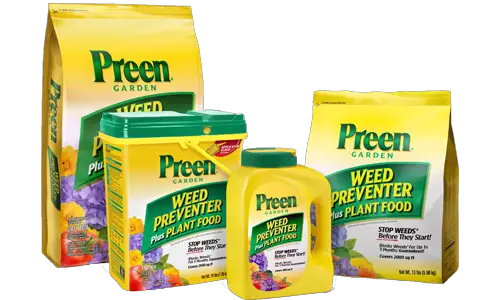
Preen Garden Weed Preventer Plus Plant Food helps prevent weeds while feeding your plants in one simple application. Safe for use in established flower and vegetable garden beds around trees, shrubs, and ground covers, it supports strong root development and abundant blooms. Use during spring, summer, or fall for best results and water it into the soil after sprinkling.

Espoma Organic Lawn Food Summer Revitalizer 8-0-0 delivers long-lasting organic nitrogen to help invigorate lawns during hot weather while adding iron for deep, greener color. Designed for all lawn types and cool- or warm-season grasses, it helps turn yellow lawns back to green without burning or leaching out of soil. Environmentally safe with no sludges or toxic ingredients, it won’t stain concrete, sidewalks, or driveways and is approved as a registered organic input material.
Warm-Season Grass Species Guides
The major warm-season grasses each have distinct characteristics, care requirements, and best-use cases:
- Bermuda grass: pros, cons, and care guide covers the high-maintenance, heat-loving grass that produces the densest turf of any warm-season species
- Zoysia grass pros and cons covers the slow-growing, wear-tolerant alternative to Bermuda with lower maintenance demands
- How to make St. Augustine grass spread quickly covers the shade-tolerant warm-season species used widely in Florida, the Gulf Coast, and warm humid climates
- Bermuda grass vs crabgrass: how to tell them apart addresses the common misidentification that leads homeowners to treat desirable Bermuda as a weed
Low-Maintenance and Alternative Lawn Options
Not every homeowner wants the demands of a traditional high-maintenance turf. Several grass species and non-grass alternatives provide good coverage with significantly less mowing, fertilizing, and watering:
- Low maintenance grass types for every climate covers Zoysia, fine fescue, buffalo grass, and Centipede as lower-input alternatives to traditional high-maintenance turf
- Lawn alternatives: ground covers and low-mow options covers non-grass options including clover, creeping thyme, sedges, and native ground covers for homeowners reducing lawn area or eliminating mowing
Seeding and Overseeding
Establishing a new lawn from seed or overseeding a thin existing lawn requires matching the grass species to the correct seeding window, preparing the seedbed correctly, and following the right watering and fertilizer sequence.
- How long does grass seed take to germinate? covers germination timelines by species, the soil temperature requirements for each, and how moisture and temperature affect establishment speed
- Best grass seed for overseeding a thin lawn reviews the top-performing seed varieties for thickening an existing lawn by species type
- How to overseed a lawn: step-by-step guide covers the complete overseeding process from timing and seedbed preparation through establishment watering and first mowing
- Slice seeder vs overseeder: which do you need? compares the two primary machines used for seeding into an existing lawn
Grass-Specific Fertilizer Guides
Fertilizer requirements vary significantly between grass species. Bermuda grass has one of the highest nitrogen demands of any home lawn grass; Centipede grass is one of the lowest. Using the wrong fertilizer rate for your species wastes product at best and damages turf at worst.
- Best fertilizer for Bermuda grass covers the NPK ratios, nitrogen rates, and timing windows that keep Bermuda dense and healthy through the summer growing season
- Best fertilizer for Zoysia grass covers the lower nitrogen demand and more conservative feeding schedule that suits Zoysia’s slower growth habit
For the full fertilizer framework including how to calculate nitrogen rates per 1,000 square feet, see the lawn fertilizer hub.
How Grass Type Connects to Other Hubs
Grass type determines your options in almost every other area of lawn care. In weed control, herbicide compatibility depends on grass type: products safe for Kentucky bluegrass can damage St. Augustine, and products for Centipede differ from those for Bermuda. The weed and feed hub and weed control hub both reference grass type as a key selection criterion.
Correct mowing height also varies by species, from 0.5 inches for Bermuda to 4 inches for tall fescue. The mowing hub covers mowing height by grass type alongside the one-third rule that applies across all species. The watering hub covers irrigation scheduling by season and grass type.