
Self Binding Gravel Pros and Cons
Self binding gravel is not the right surface material for every project, and understanding its genuine strengths and real limitations before you commit saves time, money, and frustration. This page gives you an honest, balanced assessment of what self binding gravel does well, where it struggles, and what to expect over the long term so you can make an informed decision.
The Advantages of Self Binding Gravel
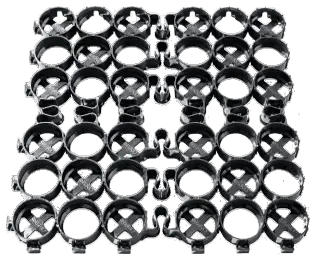
TRUEGRID PRO LITE permeable pavers are lightweight, DIY-friendly driveway and outdoor base pavers that install easily for a variety of projects. Made in the USA from 100%...
Natural Appearance
Self binding gravel produces one of the most natural-looking compacted surface finishes available for garden and driveway applications. The stone is exactly what it looks like: crushed angular aggregate in a natural stone color, with a texture that reads as part of the landscape rather than an engineered surface overlay. Limestone blends in buff, cream, and golden tones suit period properties, formal gardens, and naturalistic planting designs. Granite blends in gray and blue-gray tones suit contemporary settings.
This natural appearance is one of the main reasons self binding gravel is regularly specified for heritage settings, estate drives, and publicly managed footpaths in parks and countryside areas, where the visual relationship between the surface and the surrounding landscape matters.
No Artificial Binders or Chemicals
Self binding gravel contains no resins, adhesives, or manufactured binding agents. The cohesion of the compacted surface comes entirely from the mechanical interlocking of angular aggregate particles and the natural clay or limestone dust within the blend. This makes it a more environmentally benign surface material than resin-bound aggregate, which relies on polyurethane or similar synthetic binders.
For homeowners who are conscious about the products they use in their outdoor spaces, the absence of artificial chemistry in self binding gravel is a meaningful advantage.
Significantly Less Scatter Than Loose Gravel
The most immediately practical advantage of self binding gravel over loose decorative gravel is the reduction in surface displacement. Loose gravel, whether pea shingle, decorative chippings, or angular stone, shifts freely under foot traffic and vehicle loads, migrates away from edges over time, and tracks into buildings on footwear and tyres.
A compacted self binding gravel surface behaves as a cohesive layer rather than a collection of individual particles. It does not scatter freely underfoot, it holds its position at path and driveway edges against properly installed edging restraints, and it significantly reduces the amount of aggregate tracked indoors compared to loose gravel.
Low Maintenance Relative to Loose Gravel
Self binding gravel requires maintenance, but less of it than the loose gravel surfaces it most directly competes with. A loose gravel driveway or path typically needs regrading and topping up several times a year as aggregate migrates and the surface becomes uneven. A self binding gravel surface on a correctly prepared sub-base can go a year or more without significant attention, requiring only occasional weed management and light surface tidying.
When the surface does eventually need attention, the remedy is straightforward: spread a thin layer of fresh self binding gravel, dampen it, and re-compact. This top-dressing process restores the surface without the need for full excavation or replacement.
Cost-Effective Compared to Paved and Resin-Bound Alternatives
Self binding gravel is priced by the tonne from builders’ merchants and aggregate suppliers at a fraction of the cost of resin-bound aggregate, block paving, natural stone slabs, or porcelain tile. For homeowners covering large areas such as long driveways or extensive garden path networks, the cost difference against paved or resin-bound alternatives is substantial.
The DIY-friendly installation process further reduces costs for homeowners who are comfortable with physical outdoor work and have access to a hired plate compactor for compaction.
Accessible Surface When Properly Installed
A well-installed self binding gravel path or surface provides a firm, stable, and slip-resistant finish that meets accessible surface standards for pedestrian routes. Wheelchair users, pushchair users, and people with mobility aids can use a correctly built self binding gravel path without the difficulty and resistance that loose gravel creates. This makes the material suitable for accessible garden design and public footpath applications where accessible surface criteria apply.
The Limitations of Self Binding Gravel
Not Suitable for Heavy Vehicle Loads
Self binding gravel is not a structural surface material. It is appropriate for standard domestic vehicle use on a correctly prepared sub-base, but it will not tolerate heavy vehicles, delivery lorries, or vehicles above standard van weight without surface deformation. High-turn areas, where vehicles turn tightly on the spot, are also problematic because the lateral shear forces break down the bound surface layer progressively.
Homeowners who need a surface capable of handling heavy or frequent vehicle movements should consider tarmac, concrete, or a reinforced gravel grid system rather than self binding gravel.
Initial Surface Dust
Freshly laid self binding gravel produces surface dust in the first weeks after installation, particularly in dry weather. The limestone or clay fines in the blend settle at the surface before the material has fully consolidated under traffic and weathering. This dust can be noticeable on footwear and vehicle tyres in the early period after installation.
The dustiness resolves naturally as the surface firms. Lightly watering the surface and running a roller or plate compactor over it again accelerates the consolidation process. Most installations have moved past the initial dusty phase within a few weeks of normal use.
Surface Can Soften Temporarily in Prolonged Wet Conditions
Self binding gravel, unlike resin-bound or tarmac surfaces, is susceptible to temporary softening when saturated for an extended period. The clay fines that contribute to the binding action are moisture-sensitive, and a prolonged wet spell on a poorly drained base can cause the surface to become soft and slightly muddy.
Correct installation on a well-drained sub-base eliminates most of this risk. A 150mm or deeper compacted sub-base of MOT Type 1, combined with a geotextile membrane at formation level, drains surface water away from the self binding gravel layer effectively. Problems with wet-weather softening are almost always a consequence of inadequate sub-base preparation rather than an inherent failure of the material.
Requires Edging to Maintain Definition
Self binding gravel does not self-contain at its edges. Without a physical edge restraint, the compacted surface gradually breaks down at the perimeter as foot and vehicle traffic applies lateral force to the edge of the bound layer. Timber boards, steel edging strip, brick, or natural stone edging installed around the perimeter of any self binding gravel surface are not optional: they are a functional requirement for long-term performance.
The edging also adds to the installation cost and complexity of the project, which is a consideration for homeowners comparing self binding gravel against loose gravel, where edging is recommended but not strictly necessary for the material to function.
Not Fully Impermeable, But Also Not Fully Permeable
Self binding gravel occupies an intermediate position on the permeability spectrum. It is not as permeable as clean open-graded aggregate or a resin-bound surface on a permeable sub-base, and it is not as impermeable as concrete or tarmac. The permeability of any given product varies with its clay fines content and the degree of compaction applied during installation.
This intermediate permeability is generally an advantage for drainage, but it can create ambiguity for homeowners trying to establish whether their planned self binding gravel driveway qualifies as a permeable surface under planning rules in their area. The detailed answer to the permeability question, including what this means for sustainable drainage compliance, is covered on the is self binding gravel permeable page.
Is Self Binding Gravel Messy?
Self binding gravel is significantly less messy than loose decorative gravel in daily use, but it is not completely clean in the way that a sealed hard surface is.
The primary source of mess in the early period after installation is surface dust from the fine fraction. This can be tracked on footwear into buildings and can appear on vehicle tyres for the first weeks after installation. It resolves as the surface consolidates.
In normal ongoing use, a compacted self binding gravel surface does not scatter loose aggregate the way loose gravel does. Some tracking of fine grit on footwear is possible, particularly in very wet conditions when the surface surface layer is at its most active, but the overall mess level compared to loose gravel is substantially lower.
How to Maintain Self Binding Gravel
Self binding gravel surfaces require modest but consistent maintenance to stay in good condition over the long term.
Weed management is the most regular task. The geotextile membrane beneath the sub-base prevents weeds establishing from below, but airborne seeds landing on the surface will germinate given the opportunity. Removing seedlings promptly before root systems establish in the bound layer is the most effective approach. Annual application of a path weed killer appropriate for gravel surfaces can also reduce the weed burden significantly.
Top-dressing becomes necessary when the fine fraction at the surface has been gradually eroded by traffic, leaving a slightly loose or coarser surface texture than the original installation. Spreading a thin layer of fresh self binding gravel across the affected area, dampening it, and re-compacting with a roller or plate compactor restores the bound finish and refreshes the appearance. This is typically needed every few years on a well-used path, and less frequently on areas with lighter traffic.
Edge maintenance involves inspecting the perimeter edging annually and resetting or replacing any sections that have shifted, lifted, or deteriorated. Keeping the edge restraints in good condition is the most effective way to prevent the gradual edge breakdown that eventually affects all trafficked gravel surfaces.
Drainage outlet maintenance involves keeping any drainage channels, gullies, or soakaways that receive water from the self binding gravel surface clear and functioning. Blocked drainage is the most common cause of wet-weather surface softening in otherwise correctly installed surfaces.
Frequently Asked Questions
How long does self binding gravel last? A self binding gravel surface on a correctly prepared sub-base can last many years with appropriate maintenance. The surface layer itself will require periodic top-dressing as the fine fraction is gradually eroded by traffic, but the sub-base and overall structure of the path or driveway do not need replacement. Well-installed hoggin paths in historic gardens have remained in service for decades.
Does self binding gravel get slippery in winter? The angular aggregate texture of self binding gravel provides reasonable grip even in wet and frosty conditions. It does not become as slippery as smooth stone paving, glazed tile, or timber decking when wet or icy. In very icy conditions, grit can be applied in the same way as on any outdoor surface. Self binding gravel is generally considered a safer winter surface than smooth paving materials.
Can self binding gravel be repaired if it gets damaged? Yes. Localized damage, ruts, or eroded areas can be repaired without replacing the whole surface. Remove any loose or contaminated material from the damaged area, add fresh self binding gravel to restore the level, compact thoroughly, and the repair blends into the surrounding surface. Fresh material may be slightly lighter in color than the weathered surrounding area for a short period but will match as it weathers.
Is self binding gravel good value for money? For homeowners who want a surface that is significantly better than loose gravel in terms of stability, maintenance, and appearance, but do not need or want the cost and permanence of a paved or resin-bound surface, self binding gravel represents strong value. The material cost is low, the installation is DIY-friendly, and the ongoing maintenance requirement is modest. The value case weakens if the application involves heavy vehicle loads or very wet site conditions where a more robust surface is genuinely needed.