
How to Mulch Garden Beds: Depth, Timing, and Common Mistakes
Mulching correctly is one of the highest-return maintenance tasks in a garden. Done right, it reduces watering frequency, suppresses the majority of annual weed seeds, moderates soil temperature, and, for organic mulches, improves soil structure year over year. Done wrong, it creates slug habitat, promotes crown rot, and can exclude rainfall from dry soil rather than retaining moisture.
When to Apply Mulch
The best time to apply or replenish mulch is in late winter to early spring, before the main growing season begins. At this timing, the mulch is in place before spring and summer weed seeds germinate, the soil is typically moist from winter rainfall, and the layer protects emerging perennial shoots from late frost fluctuations.
Applying mulch in autumn, after perennials have died back and before winter, also works well: it protects root zones from hard freezes and reduces soil temperature fluctuations that damage shallow root systems. Avoid applying mulch in midsummer over dry soil: mulch applied over dry conditions seals in the drought rather than retaining moisture. Water deeply before mulching in summer if the soil is dry.
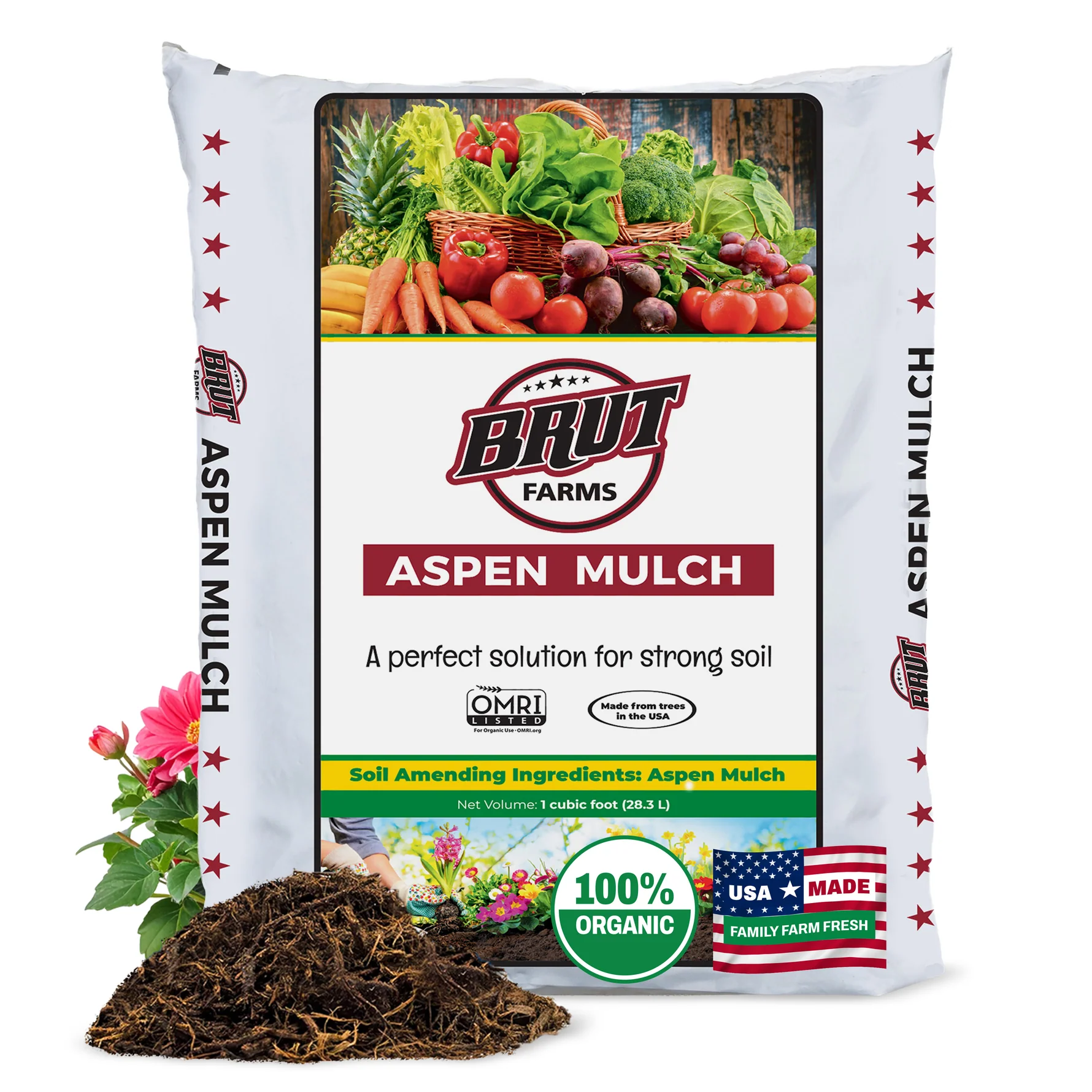
Brut Organic Aspen Mulch creates a clean, polished garden surface while helping minimize weeds naturally. Its high-carbon, odor-free aspen bark supports beneficial soil microbes and improves soil structure for healthier plants. The mulch naturally retains moisture, promoting water-efficient root hydration for garden beds, potted plants, and outdoor planters. OMRI-listed for certified organic gardening.
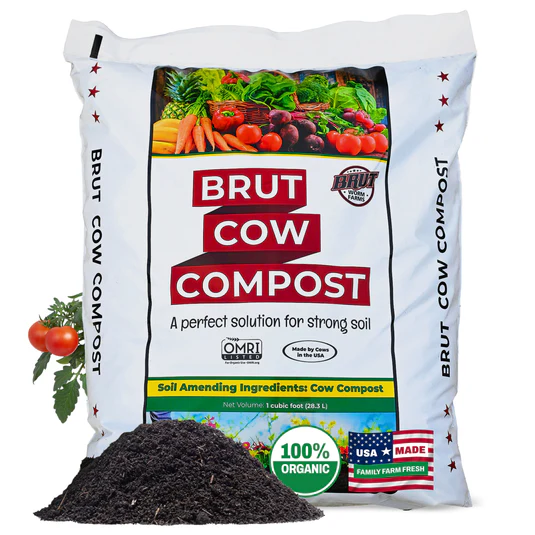
Brut Cow Compost is a nutrient-rich organic soil amendment made from 100% pure, thoroughly composted cow manure. It enriches soil with nitrogen, calcium, and iron, supports beneficial microbial life, and helps plants produce stronger growth. Odor-free and gentle on roots, it can be used for vegetables, flowers, lawns, shrubs, and indoor plants as a top dressing or mixed into garden and potting soil.
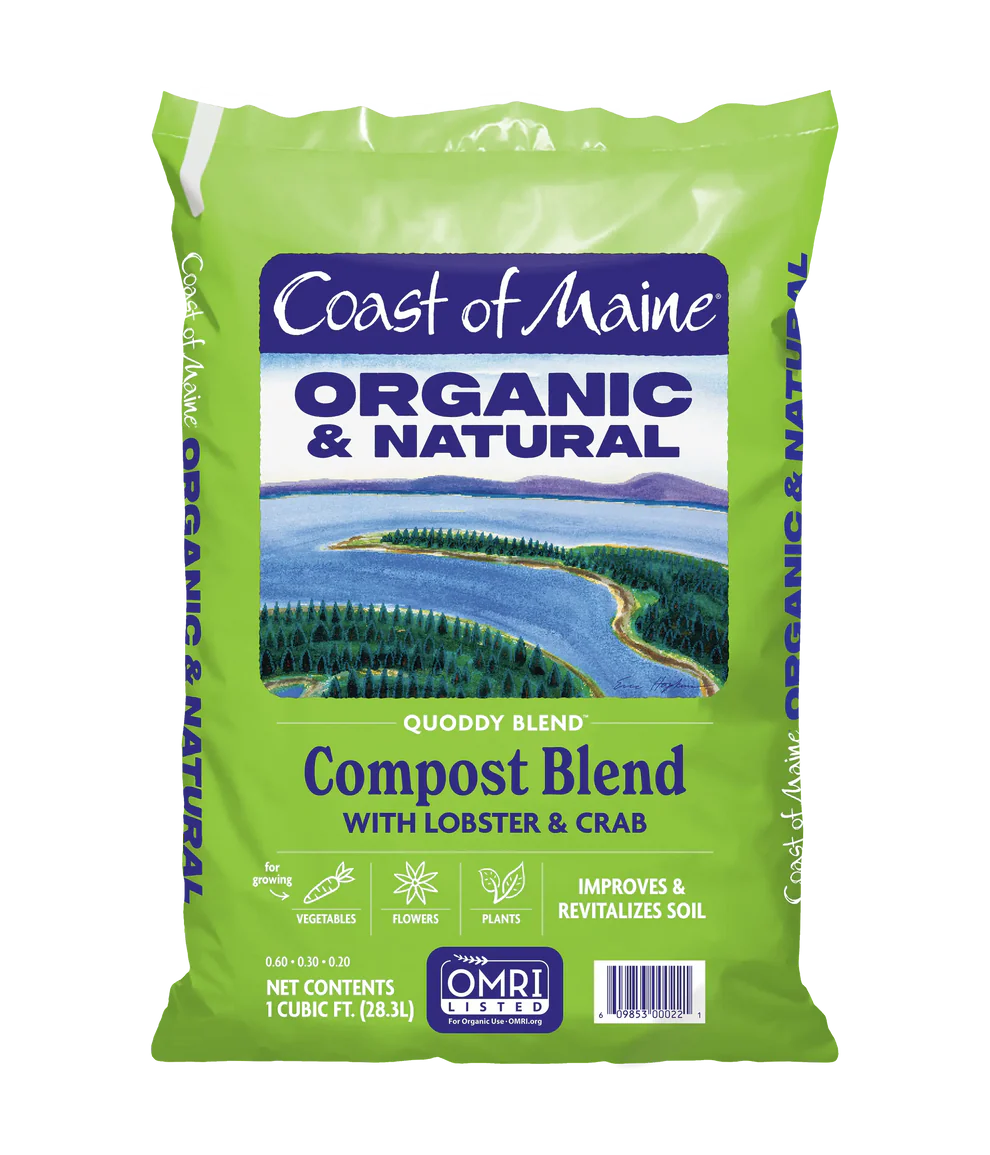
Coast of Maine’s Organic & Natural Quoddy Blend is a premium seafood compost made from lobster and crab shell meal, composted manure, and peat moss to enrich garden soil. It improves soil structure by supporting better drainage, aeration, and water retention for healthier root development. OMRI listed for organic use, it’s a versatile choice for gardens, beds, borders, trees, shrubs, and foliage.
How Deep to Apply
The effective weed-suppression depth for organic mulch is 7 to 10 centimeters. Less than this and light penetrates to germinating weed seeds. More than 15 centimeters creates anaerobic conditions at the soil surface, reduces oxygen availability to roots, and creates the humid, dark environment that slugs find attractive.
The Most Important Rule: Keep Mulch Away from Stems
Mulch piled against plant stems, shrub bases, or tree trunks is one of the most common and damaging gardening mistakes. The moist, dark environment at the contact point promotes bacterial and fungal decay at the bark surface. Crown rot from mulch contact kills shrubs, perennials, and trees over periods ranging from a few seasons to several years.
Leave a clear gap of 10 to 15 centimeters between the mulch layer and any plant stem. Around trees, keep mulch at least 20 centimeters away from the trunk.
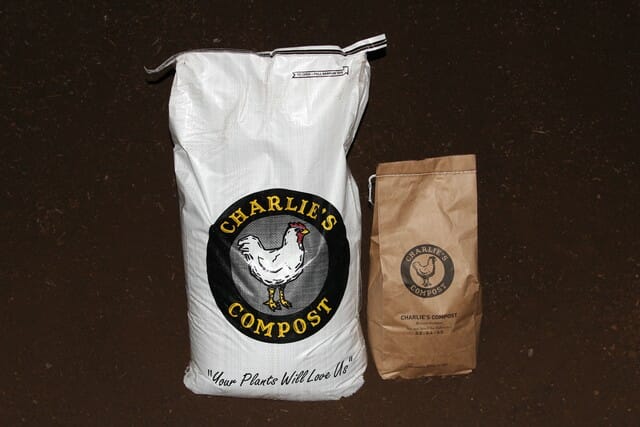
Charlie's Compost is an odor-free organic compost that enriches soil with nutrients and improves soil structure for healthier plant growth. It’s ideal for home gardens, raised beds, containers, and seed starting mixes, and it works as a compost tea ready amendment. The formula supports continuous nutrient release and offers low-odor composting for small-space and indoor-friendly use.
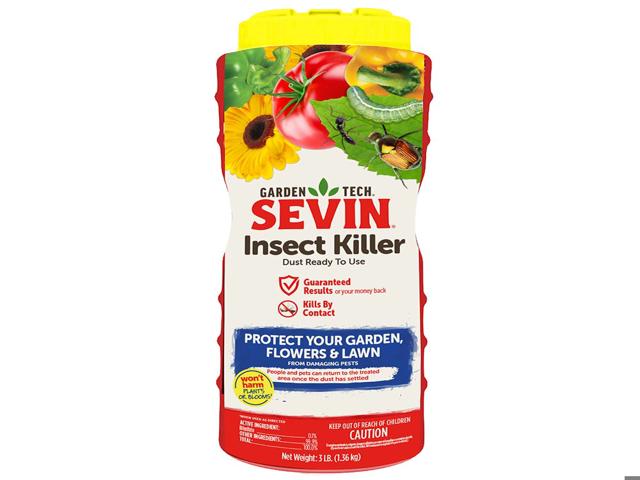
Sevin Insect Killer Dust helps protect flowers and lawn from listed damaging pests with a ready-to-use, shake-and-apply formula. It kills more than 150 insects by contact and creates a protective barrier when applied to leaves, stems, and flowers at the label rate. It won’t harm plants or blooms, and people and pets may return once the dust has settled.
Calculating How Much Mulch You Need
Multiply the bed area in square feet by the desired depth in feet to get the cubic footage required, then divide by 27 to get cubic yards. The full calculation method with a worked example is in the how many cubic feet in a yard of mulch guide.