
Best Mulch for Flower Gardens and Ornamental Beds
The best mulch for a flower garden depends on the plant types in the bed, the aesthetic goal, and the degree of soil improvement needed. Ornamental beds with roses, perennials, and flowering shrubs are the context where organic mulch delivers the clearest benefit: the annual addition of decomposing organic matter improves the soil biology that supports root health, disease resistance, and nutrient cycling over years of repeated application.
Fine Bark Mulch
Fine bark mulch is the most widely used mulch for ornamental flower beds. It has a clean, uniform appearance that suits formal and cottage garden styles equally, suppresses annual weeds effectively at 7 to 10 centimeters depth, and decomposes slowly enough to last two to three seasons before requiring replenishment.
For rose beds specifically, fine bark mulch applied in early spring after pruning serves both as a weed suppressant and as a barrier that reduces the splash-back of Blackspot fungal spores from the soil onto the lower leaves. This is a meaningful disease management benefit beyond the standard mulch advantages.
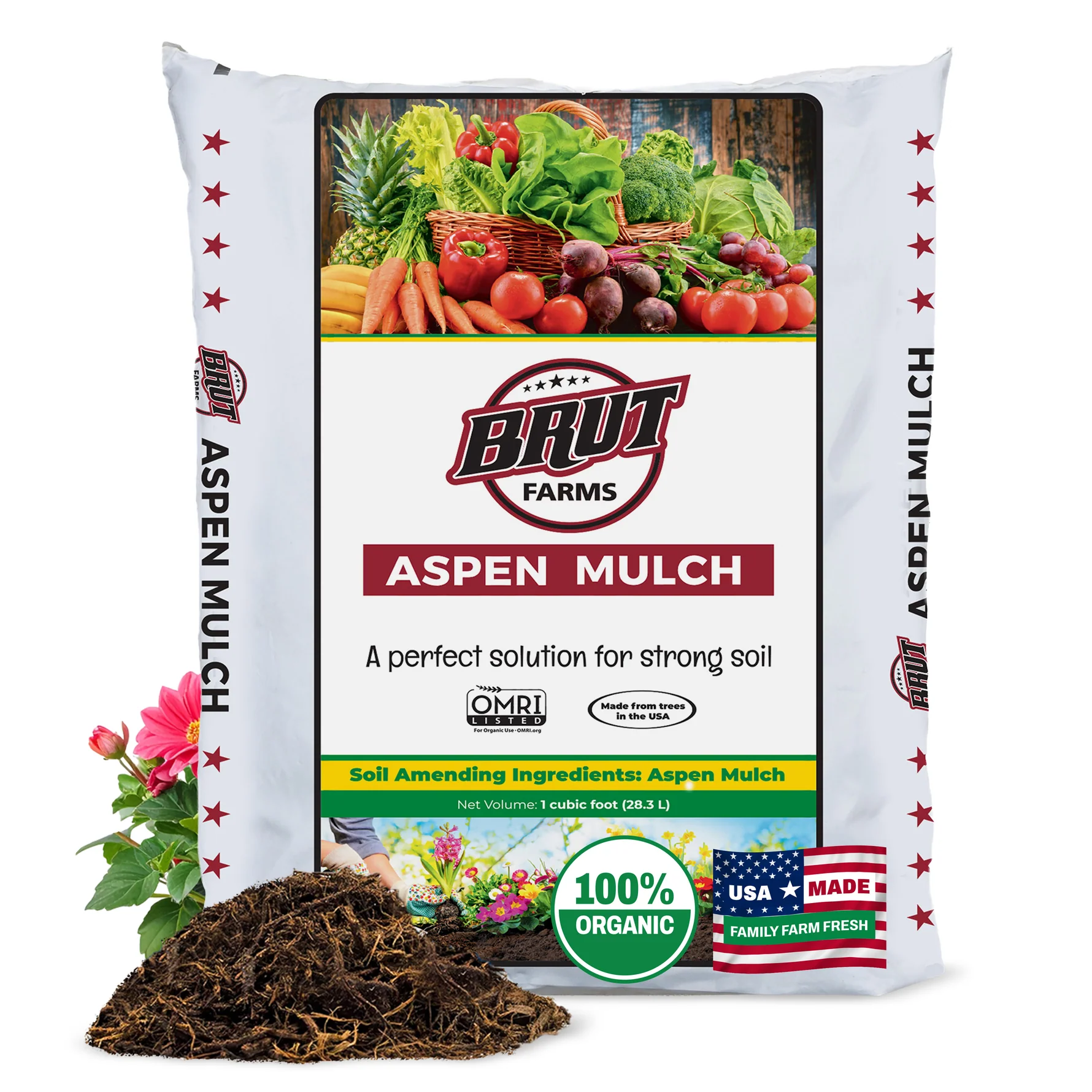
Brut Organic Aspen Mulch creates a clean, polished garden surface while helping minimize weeds naturally. Its high-carbon, odor-free aspen bark supports beneficial soil microbes and improves soil structure for healthier plants. The mulch naturally retains moisture, promoting water-efficient root hydration for garden beds, potted plants, and outdoor planters. OMRI-listed for certified organic gardening.
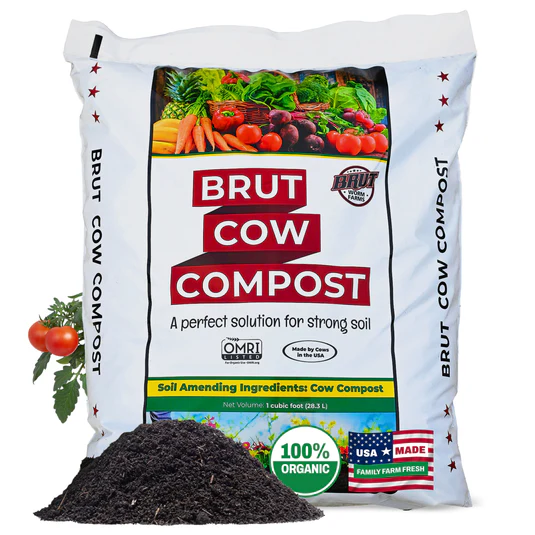
Brut Cow Compost is a nutrient-rich organic soil amendment made from 100% pure, thoroughly composted cow manure. It enriches soil with nitrogen, calcium, and iron, supports beneficial microbial life, and helps plants produce stronger growth. Odor-free and gentle on roots, it can be used for vegetables, flowers, lawns, shrubs, and indoor plants as a top dressing or mixed into garden and potting soil.
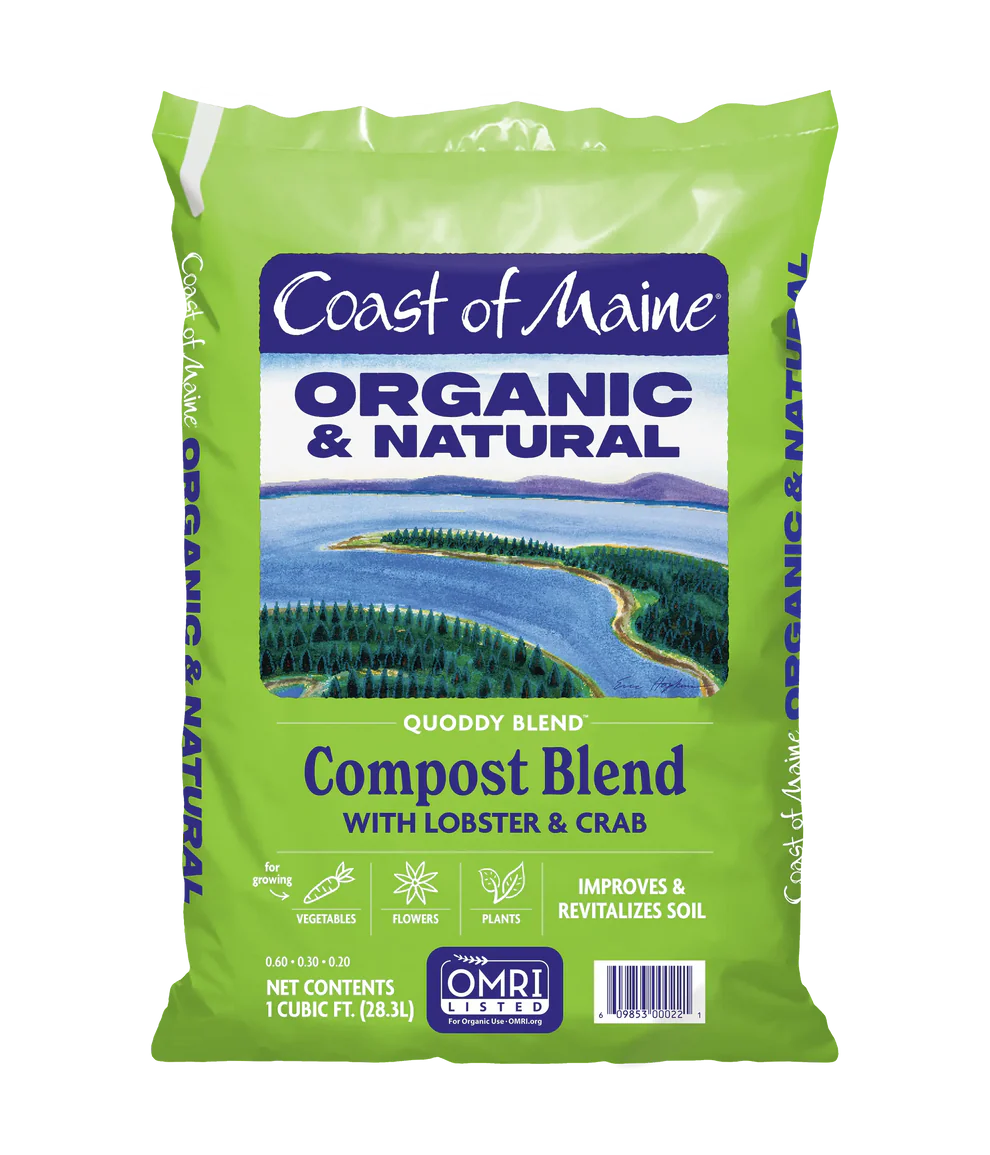
Coast of Maine’s Organic & Natural Quoddy Blend is a premium seafood compost made from lobster and crab shell meal, composted manure, and peat moss to enrich garden soil. It improves soil structure by supporting better drainage, aeration, and water retention for healthier root development. OMRI listed for organic use, it’s a versatile choice for gardens, beds, borders, trees, shrubs, and foliage.
Shredded Leaf Mulch
Shredded leaves from deciduous trees are an excellent, free mulch for flower beds and are particularly valuable for acid-loving ornamentals. As they decompose, shredded oak and beech leaves contribute to mild acidification of the soil surface, supporting rhododendrons, azaleas, and camellias. They also improve soil structure and support the earthworm populations that aerate and enrich garden soil.
Compost as Top-Dressing
Finished compost applied as a 3 to 5 centimeter mulch layer provides simultaneous weed suppression and nutrition. It is the most beneficial choice for flower beds where soil fertility is low or where plants are heavy feeders. Roses, dahlias, and other high-performing ornamentals respond strongly to annual compost top-dressings. The approach is covered in the compost as mulch guide.
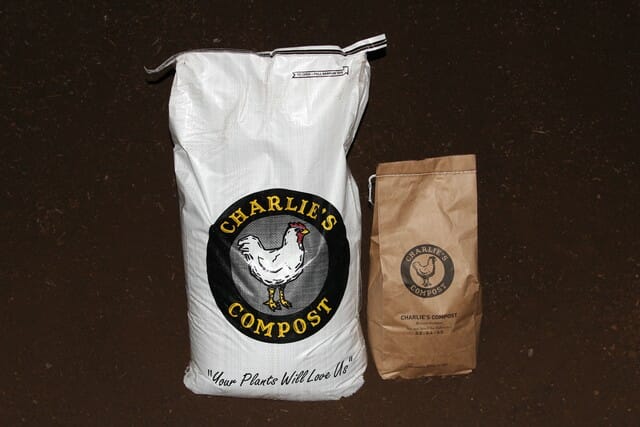
Charlie's Compost is an odor-free organic compost that enriches soil with nutrients and improves soil structure for healthier plant growth. It’s ideal for home gardens, raised beds, containers, and seed starting mixes, and it works as a compost tea ready amendment. The formula supports continuous nutrient release and offers low-odor composting for small-space and indoor-friendly use.
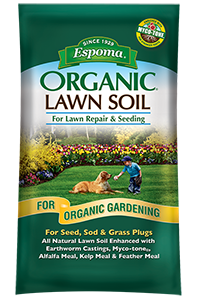
Espoma Organic Lawn Soil is an all-natural organic soil mix designed to promote seed germination and help new sod establish. It contains earthworm castings, alfalfa meal, kelp meal, and feather meal, enhanced with Espoma MYCO-TONE, a blend of endo and ecto mycorrhizae fungi. Use it anytime you sow new grass seed or install sod for organic gardening results with no synthetic plant foods or chemicals.
What Not to Use in Flower Beds
Fresh wood chips should not be used around actively growing perennials due to the nitrogen drawdown effect during decomposition. Allow wood chips to compost for a minimum of six months to one year before using in planted beds. Cocoa hull mulch is toxic to dogs and should not be used in any garden where dogs have access.