
Does Bleach Kill Fleas? What Actually Works
Bleach (sodium hypochlorite solution) kills fleas on direct contact by denaturing proteins and disrupting cellular function. So the technical answer to whether bleach kills fleas is yes. The practical answer, however, is that bleach is not a useful flea treatment for any real infestation scenario in a home, for several reasons that become clear when you understand how flea infestations actually work.
Why Bleach Is Ineffective as a Flea Treatment
A flea infestation in a home is not a surface problem. The adult fleas that are visible on pets and occasionally on humans are a small fraction, typically less than five percent, of the total flea population in the home at any given time. The other ninety-five percent or more of the population exists in non-adult stages: eggs, larvae, and pupae distributed through carpet fibers, between floorboard cracks, in pet bedding, and in upholstered furniture.
Flea eggs are smooth and non-adhesive; they fall from the pet’s coat into the environment within hours of being laid and accumulate wherever the pet spends time. Larvae burrow into carpet pile and feed on organic debris including adult flea feces. Pupae develop inside silk-and-debris cocoons that are remarkably resistant to both physical disturbance and chemical penetration.
Bleach applied to a hard floor surface as a mopping solution will kill any adult fleas it contacts on that surface. It will not penetrate carpet fibers to reach larvae and pupae at the base of the carpet pile. It will not kill eggs distributed in cracks and crevices. It will not address the flea population on the pet, which continuously reinfests the home environment. And even if every hard surface in the home were scrubbed with bleach, the carpet, upholstery, and pet bedding would sustain the infestation cycle without interruption.
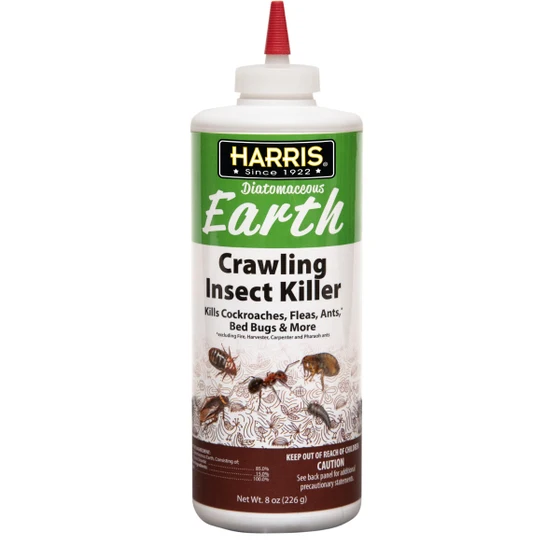
Harris Diatomaceous Earth Crawling Insect Killer is a ready-to-use 100% natural dust that targets crawling pests including ants, roaches, bed bugs, and fleas. Insects that contact or ingest the powder die within 48 hours when applied in cracks, crevices, and other hiding areas. Suitable for indoor and outdoor use with a powder duster included for easy application.
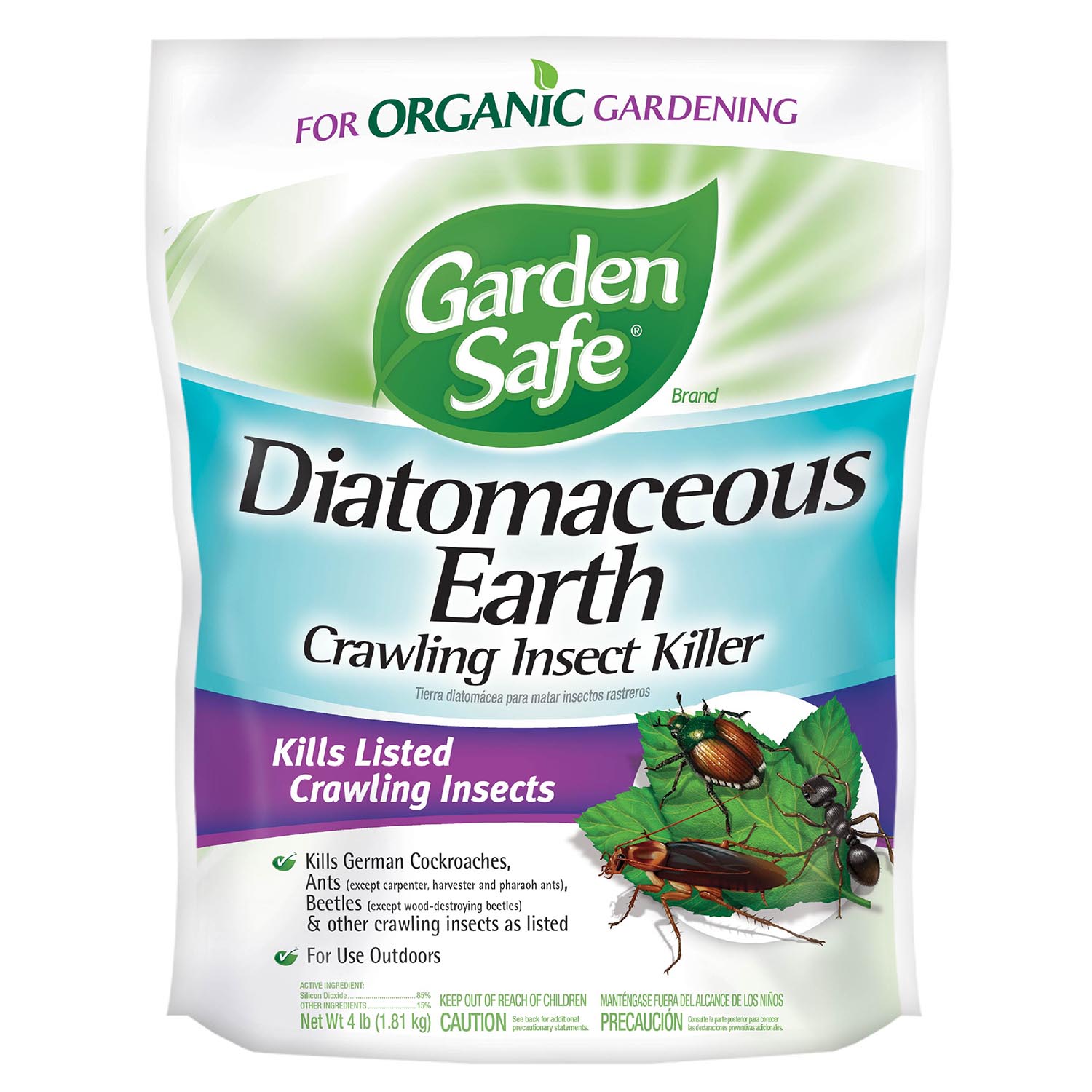
Garden Safe diatomaceous earth-based crawling insect killer provides organic, long-lasting control for listed pests. It kills German cockroaches, ants, beetles, fleas, mealybugs, and other crawling insects by contact by coating their exoskeletons and drying them out. Apply a thin powdery layer outdoors on plants and surrounding soil, and use indoors for crawling insect control as directed.
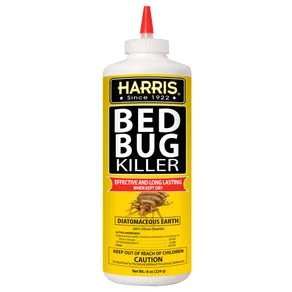
Harris Diatomaceous Earth powder provides thorough bed bug treatment, including hard-to-reach areas, with simple application using the included puffer tip. Bed bugs that contact the powder die within 48 hours, and the dry powder continues killing for weeks for extended residual protection. It is EPA registered for use in homes with people and pets and is also OMRI listed for organic mineral use.
The One Situation Where Bleach Has Limited Utility
Bleach diluted to a standard disinfecting concentration (approximately one tablespoon of 5 to 6% sodium hypochlorite per quart of water) applied to hard, non-porous surfaces such as tile floors, concrete in a kennel or laundry room, and washable pet feeding area floors as part of a broader flea cleanup protocol provides disinfection and kills any surface-contact fleas and eggs in those specific areas. It is appropriate as a supplemental sanitation step in combination with a complete flea treatment program, not as a standalone treatment.
Never apply bleach solution directly to pets, to carpet, to upholstered furniture, or to wood surfaces. Bleach is corrosive to natural fibers and finishes, toxic to pets if ingested during grooming, and will damage or destroy carpets and upholstery.
What Actually Eliminates a Flea Infestation
Breaking a flea infestation requires treating all life stages in all affected environments simultaneously. A program that treats only the pet misses the environmental reservoir; a program that treats only the carpet misses the pet; a program that uses only an adulticide misses the eggs, larvae, and pupae that will produce the next generation of adults within days to weeks.
The effective flea control sequence begins with treating the pet with a veterinarian-recommended product (oral or topical adulticide), vacuuming all carpeted and upholstered surfaces thoroughly to mechanically remove eggs, larvae, and adults and to stimulate pupae to hatch into the vulnerable adult stage, treating carpets and upholstery with an insecticide that contains both an adulticide and an insect growth regulator, and maintaining consistent pet treatment through at least two complete flea life cycles (roughly eight to twelve weeks) to address all hatching cohorts.
The complete flea infestation treatment protocol, including product recommendations for the home environment and how to choose between spray, powder, and aerosol formulations, is covered in our fleas in the house guide and our best flea treatment guide.
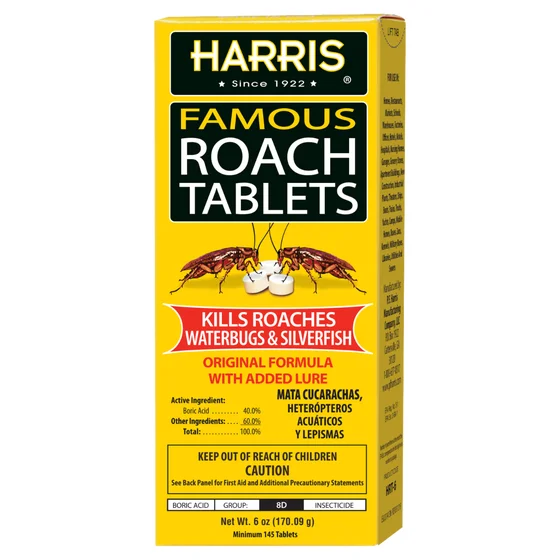
Harris Roach Tablets use boric acid with a formulated lure to attract roaches and help eliminate infestations at the source. The EPA-registered tablets are long lasting when kept dry and are designed to kill the entire colony by roaches carrying the bait back to their nests. Easy to conceal in hidden areas like under drawers, appliances, and cabinets, they offer an alternative to bait traps for treating multiple rooms.
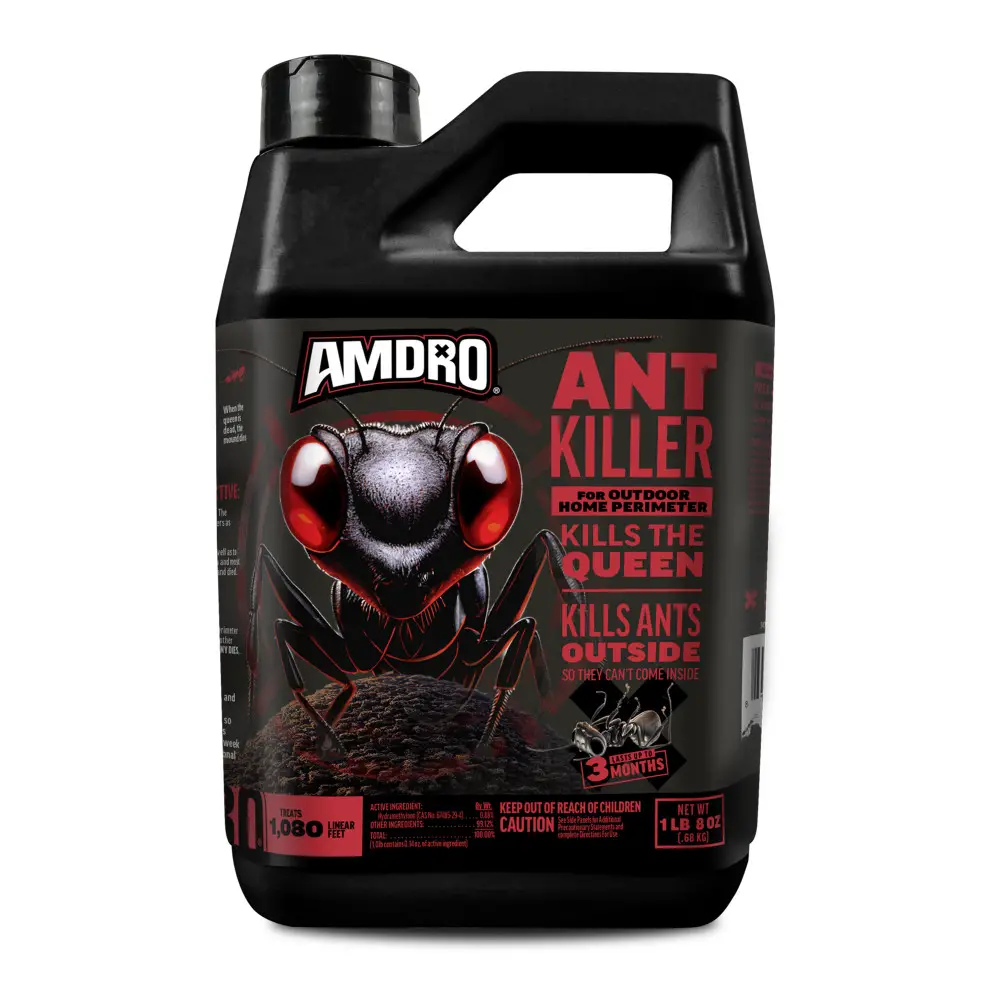
Amdro Ant Killer for Outdoor Home Perimeter creates a protective band that attracts and kills listed common ant species before they enter your home. Dual-action bait foraging workers carry it back to their colonies, helping reduce visible ants within about a week and stopping the colony, including the queen. For best results, apply when ants are active, and keep the treatment working up to three months for ongoing perimeter protection.