
How to Clean, Oil, and Store Garden Tools for Winter
End-of-season tool care is the single maintenance step with the largest effect on how long garden hand tools remain in good working condition. Soil left on a carbon steel blade holds moisture against the metal through winter months and produces rusting that pits and weakens the blade. An ash handle left damp in a humid corner loosens in the socket over winter as the wood swells and contracts repeatedly. A tool stored correctly at the end of October is ready to use in March; a tool stored with dirty blades and untreated handles may need sanding, re-oiling, and handle re-fitting before it is usable again in spring.
When to Do the End-of-Season Clean
The best time to do the seasonal tool clean is after the last significant use of the season, before the first frost locks the ground. This is typically late October to early November in most temperate climates. Doing the clean immediately after the last use of the season, while motivation is still present, produces the best results. Leaving it for a “later” that arrives in spring means the tools have been stored dirty through the full winter season.
The NO-SPILL 2-1/2 gal Gas Can makes fueling cleaner and more controlled with a thumb button that starts and stops flow instantly. A 7/8-inch funnel spout with an attached dust cover helps fill small equipment while keeping the spout clean. The integrated 20 mesh stainless steel screen and auto-stop feature cut off fuel before overflow to reduce mess and accidental spills.
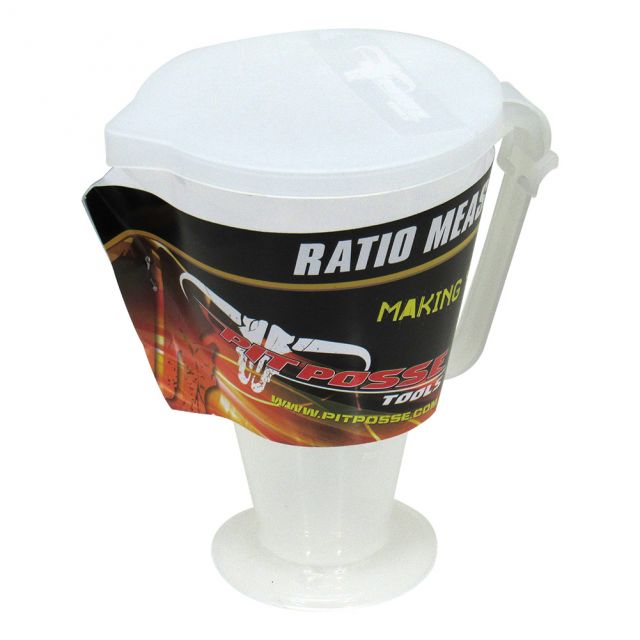
Pit Posse PP3318 is a racing utility measuring cup designed to mix 2-stroke oil and other engine fluids to accurate ratios. It features readable CC and ounce marks plus a 16:1 to 70:1 premix scale to remove guesswork and help you add the right amount quickly. A durable polyurethane jug with a debris-preventing cap and spill-resistant lid helps keep mixtures clean and easier to stir or shake for an even blend.
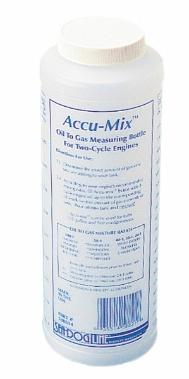
Sea Dog Accu-Mix helps you accurately measure the correct oil-to-gas mixture for 2-cycle engines. The see-through bottle shows multiple mix ratios, including 24:1, 33:1, 40:1, 50:1, and 100:1, so you can measure in both liters and gallons. This reduces guesswork and helps ensure your crew mixes fuel correctly every time.
After-Each-Use Habits
The full seasonal clean is the annual routine. The daily or session habit that extends tool life most effectively is much simpler: knock or brush soil off the blade after each use before returning the tool to storage. Soil left on a blade between sessions adds up to the heavy buildup that requires scrubbing and sandpaper at the end of the season. Brushing the blade clean after each use takes 30 seconds and eliminates most of the rust-promoting soil accumulation.
Handle Looseness
A handle that has become loose in the socket is a safety issue: the blade can separate from the handle under the force of a digging stroke and cause injury. The fix for a loose ash handle in a socket is to soak the handle end in water until the wood swells tightly in the socket, then allow it to dry in position. For a handle that returns to looseness after soaking and drying, wedge-tightening by driving a hardwood wedge into the handle end inside the socket is the more permanent repair. Handles that crack at the socket should be replaced rather than repaired, as a cracked handle under load can break unpredictably.