
Best Power Rake and Dethatcher for Lawn Renovation
A power rake, also called a dethatcher or scarifier, uses a motorized spinning drum fitted with fixed steel tines or blades to penetrate the lawn surface and pull accumulated thatch from between the turf plants and the soil. Thatch is the layer of partially decomposed grass stems, roots, and organic debris that accumulates between the living grass and the soil surface. A thin thatch layer of up to half an inch is normal and beneficial, providing insulation and moisture retention. A thatch layer exceeding half an inch restricts water infiltration, reduces root oxygen exchange, and creates a habitat for lawn diseases and insects. Power raking removes thick thatch in a single seasonal pass that would take hours with a manual dethatching rake on any lawn larger than a small patch.
Power Rake vs Dethatching Attachment vs Manual Rake
Power rakes are dedicated dethatching machines with their own motor and drum assembly. Dethatching blade attachments fit in place of a lawn mower blade and do a lighter surface-level scratch that suits very thin thatch removal on well-maintained lawns. Manual spring-tine dethatching rakes suit very small lawns or spot applications but are physically demanding on larger areas. For most residential lawns with a thatch layer thick enough to warrant dedicated treatment, a power rake or rental dethatcher is the practical tool.
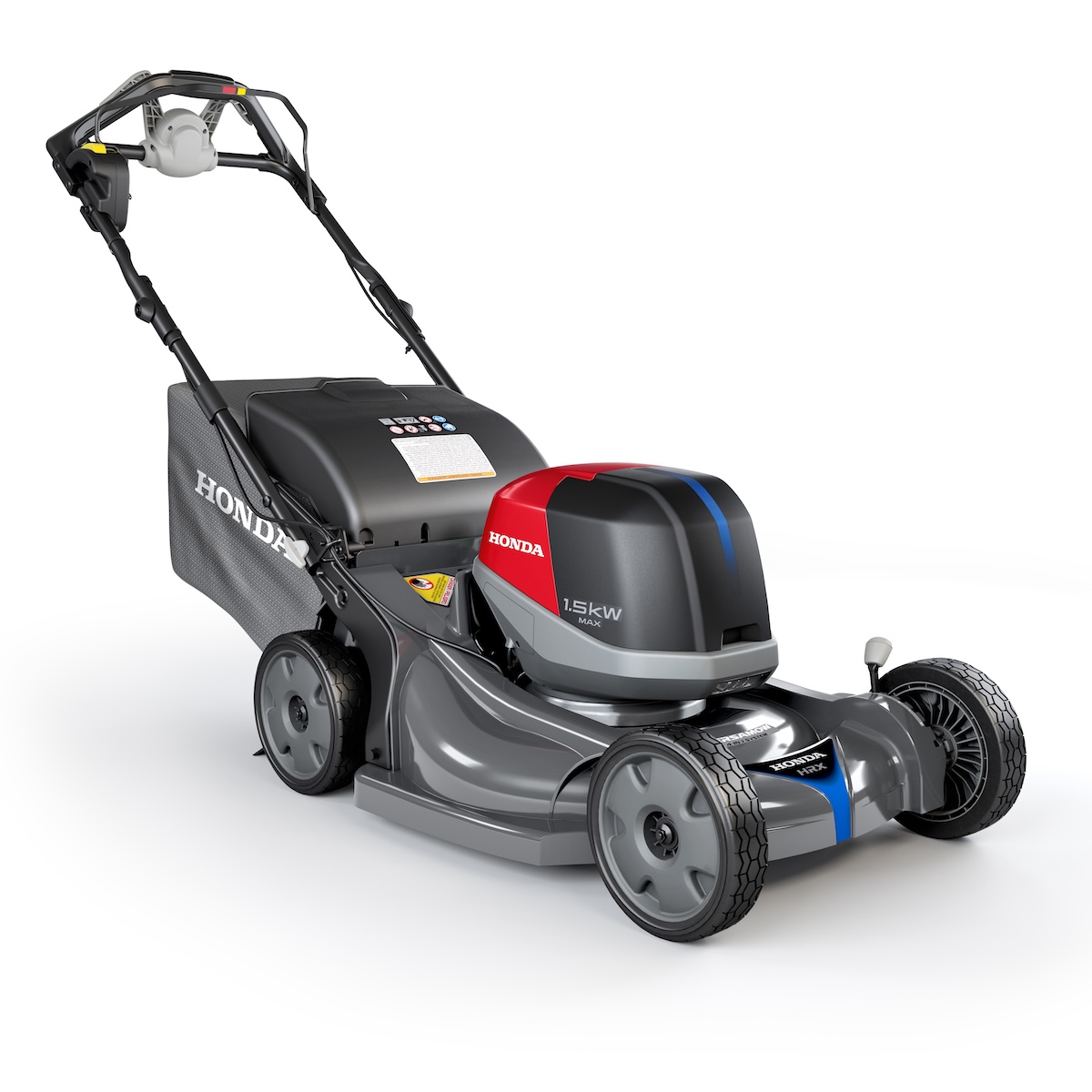
The Honda HRX-BV battery powered lawn mower delivers high torque performance for clean cutting in thick and tall grass. It features 4-in-1 Versamow with Clip Director for...
Blade Depth and Adjustment
The working depth of the tines or blades determines how aggressively the machine pulls thatch from the surface. Most residential power rakes offer multiple depth settings from a surface-level position that scratches lightly without disturbing the soil to a deeper position that pulls significant material from the thatch layer. The deeper setting is appropriate for thatch layers over three-quarters of an inch. A shallower setting is sufficient for routine annual maintenance on lawns with moderate thatch. Setting too deep in a lawn with a thin thatch layer damages grass crowns and delays recovery.
Best Power Rake Picks
Best overall electric dethatcher: Sun Joe AJ801E
The Sun Joe AJ801E is a 12-amp corded electric dethatcher with a 13-inch working width and 3-position depth adjustment. It is the most widely purchased residential dethatcher for lawns up to a quarter acre and handles moderate thatch layers (half to three-quarters of an inch) effectively. The debris bag collects pulled thatch during the pass, reducing the raking-after step. The corded operation requires a 50 to 100-foot outdoor extension cord for most residential lot coverage.
Best gas power rake: Husqvarna DT22
The Husqvarna DT22 is a self-propelled gas power rake with a 22-inch working width and a 180cc Briggs and Stratton engine. It suits lots of half an acre or more with established heavy thatch (three-quarters to one inch or more) where the corded electric models are too narrow and slow. The self-propelled drive makes the wider, heavier machine manageable over large areas without fatigue. The DT22 is also available for rental at most home improvement stores for buyers who dethatch once per season and do not want to own the machine.
Best budget option: Greenworks 10-Amp Corded Dethatcher
The Greenworks 10-amp corded dethatcher suits smaller lots and lighter thatch levels at a lower purchase price than the Sun Joe. It is the appropriate choice for first-time dethatchers who want to assess the benefit of annual dethatching before committing to a higher-capacity unit.
After Dethatching
Power raking leaves a significant volume of pulled thatch debris on the lawn surface. Raking and removing this material promptly is important: leaving it in place creates a dense mat that blocks light and slows recovery. After debris removal, the lawn benefits from core aeration and overseeding to fill in the disturbed areas and encourage recovery growth. The full dethatching and renovation sequence is covered in the lawn dethatching and aeration guide in the lawn care section.