
SAE 30 vs 10W-30 Oil: Which Is Right for Your Mower?
The oil specification in a small engine determines how well the engine is lubricated at the temperatures it actually operates in. SAE 30 and 10W-30 are the two most common oil grades specified for residential four-stroke lawn mower engines. They are not interchangeable in all conditions. The correct choice depends on the operating temperature range the mower will be used in, and using the wrong grade in cold conditions can cause startup lubrication failures that accelerate engine wear.
What the Numbers Mean
The SAE (Society of Automotive Engineers) viscosity rating describes how the oil flows at different temperatures. SAE 30 is a single-grade oil with a consistent viscosity at operating temperature. It is rated for operation above 40 degrees Fahrenheit. Below that threshold, the oil does not flow freely enough at startup to provide adequate initial lubrication to the engine bearings and cylinder wall before the engine warms.
10W-30 is a multigrade oil. The “10W” indicates its cold-weather flow rating (W stands for winter): at low temperatures, it flows as freely as a lighter SAE 10 oil, providing better startup lubrication when the engine is cold. The “30” indicates its operating viscosity at full engine temperature: once warmed, it behaves like SAE 30. This means 10W-30 provides appropriate lubrication across a wider temperature range than SAE 30, from below freezing through warm operating conditions.
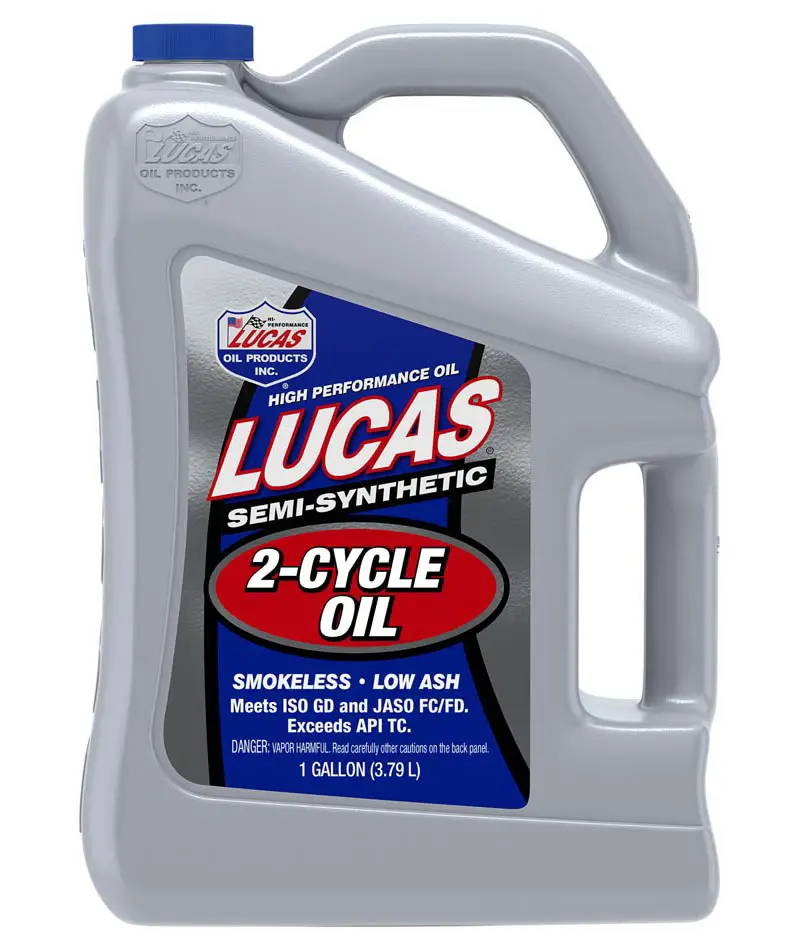
Lucas Oil High Performance semi-synthetic 2-cycle motor oil is specially formulated for oil injection systems or premix ratios up to 50:1. Its advanced smokeless formula with low-ash additives helps deliver cleaner burning, reducing emissions and improving power. An ashless detergent inhibitor package helps minimize spark plug fouling and combustion deposits for cleaner exhaust ports and long trouble-free engine life.
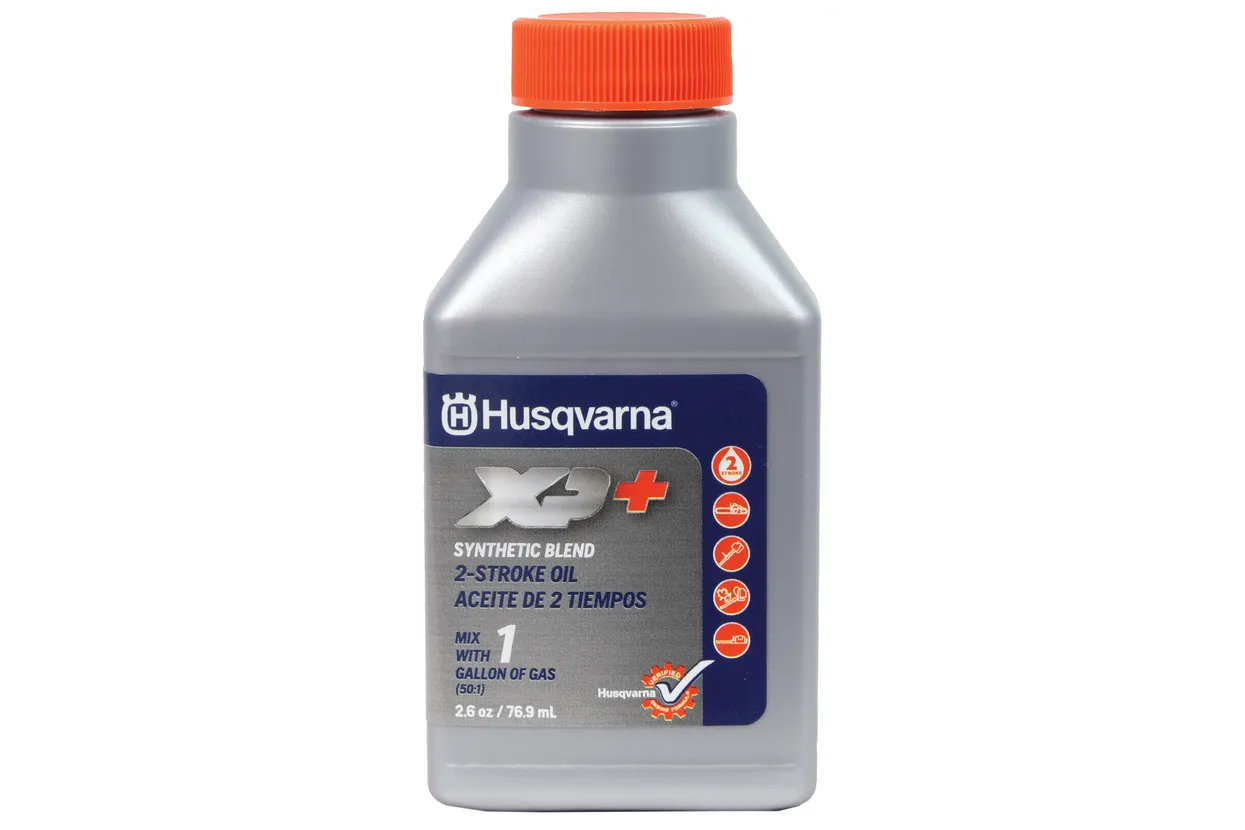
Husqvarna XP+ 2-stroke oil is engineered to maximize performance in all Husqvarna 2-stroke engines. It’s JASO-FD certified with a low-smoke, low operating temperature formulation to help maintain engine protection. The semi-synthetic blend includes fuel stabilizer for improved consistency during use and storage.
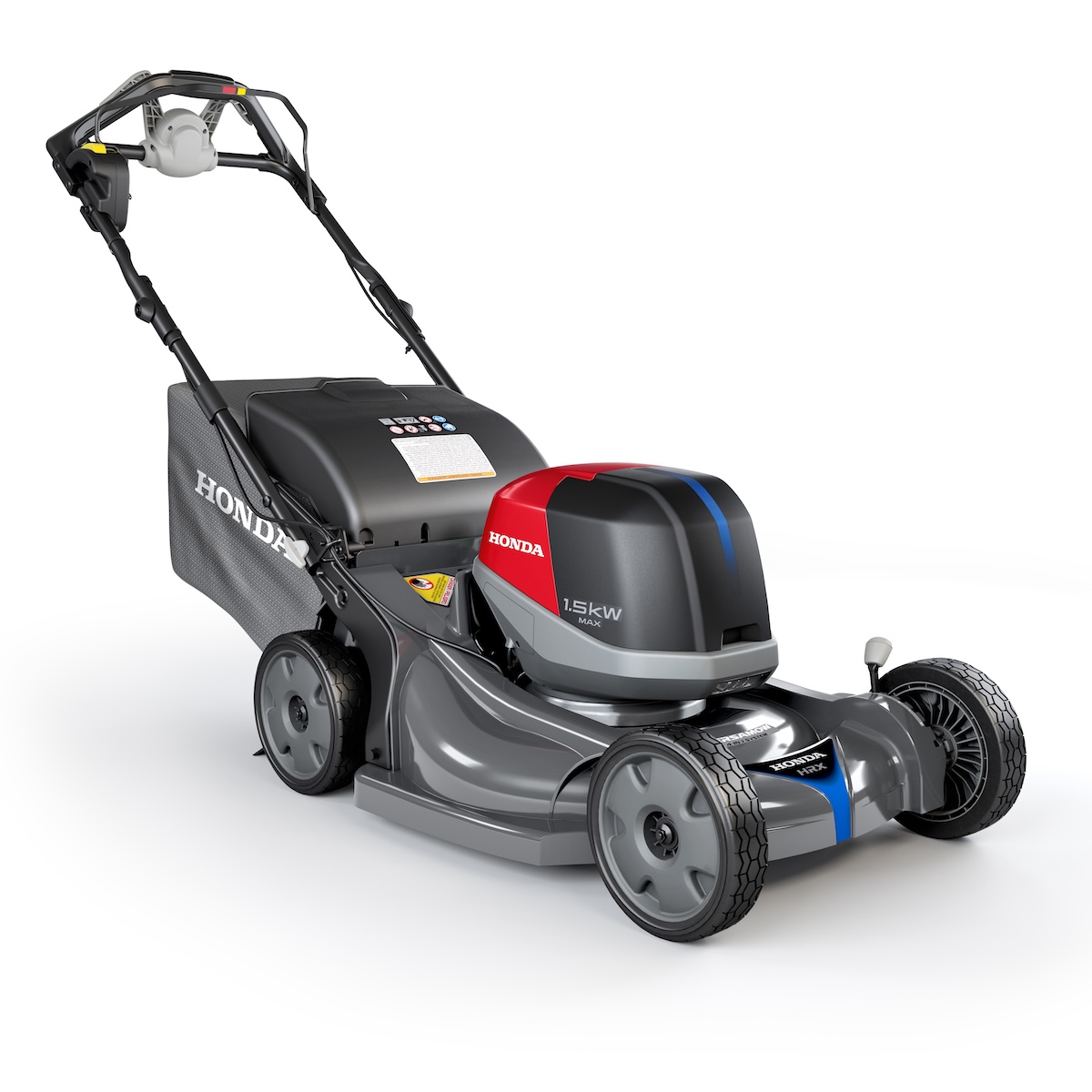
The Honda HRX-BV battery powered lawn mower delivers high torque performance for clean cutting in thick and tall grass. It features 4-in-1 Versamow with Clip Director for mulching, bagging, discharge, and leaf shredding without attachments. Enjoy variable speed self propulsion, adjustable cutting height, and up to 30 minutes of run time per charge for about 1/4 acre.
When to Use SAE 30
SAE 30 is the correct choice when the mower will be used only in warm weather, specifically in ambient temperatures consistently above 40 degrees Fahrenheit throughout the operating season. For homeowners in warm climates who mow from April through October in temperatures that rarely fall below 50 degrees at the time they start the mower, SAE 30 provides adequate lubrication and is the specification listed in many older Briggs and Stratton and Kohler engine manuals. SAE 30 is slightly less expensive than multigrade oils of the same quality and is still the preferred specification in some older engine designs.
When to Use 10W-30
10W-30 is the practical default for most homeowners mowing in variable spring and fall temperatures. If the mowing season extends into early spring when morning temperatures are in the 40 to 55 degree Fahrenheit range, or into late fall when temperatures drop similarly, 10W-30 provides better cold-start lubrication than SAE 30. The consequences of using SAE 30 in cold conditions are not immediate or dramatic but occur gradually: a thick oil that does not flow quickly on a cold startup leaves bearing surfaces insufficiently lubricated for the first several seconds of engine operation before temperature brings the oil to normal operating viscosity.
Most current residential mower engine manuals from Briggs and Stratton, Honda, Kawasaki, and Kohler list 10W-30 as acceptable across a wide temperature range and as the recommended grade when operating temperatures may fall below 40 degrees Fahrenheit. When in doubt, 10W-30 is the safer default for a homeowner who uses the mower in variable conditions.
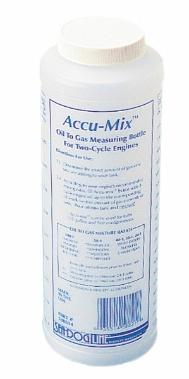
Sea Dog Accu-Mix helps you accurately measure the correct oil-to-gas mixture for 2-cycle engines. The see-through bottle shows multiple mix ratios, including 24:1, 33:1, 40:1, 50:1, and 100:1, so you can measure in both liters and gallons. This reduces guesswork and helps ensure your crew mixes fuel correctly every time.
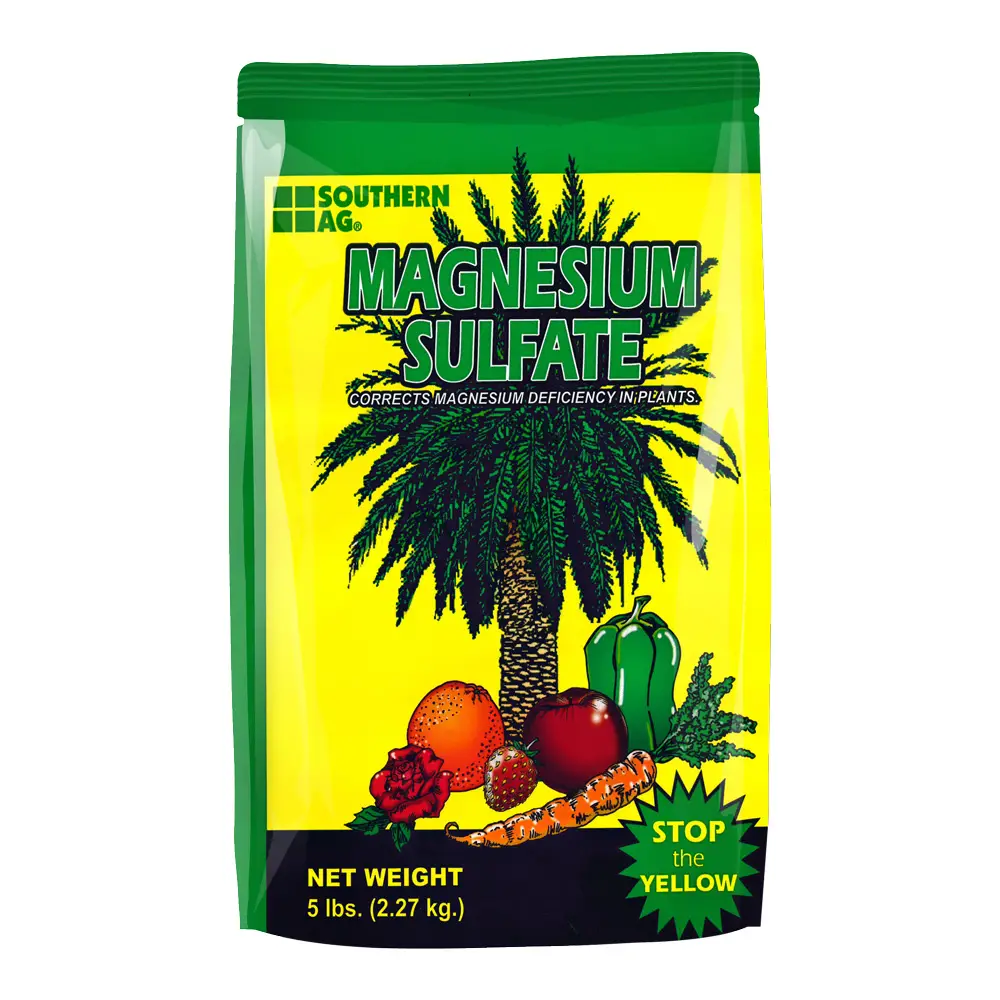
Root 98 Warehouse Southern Ag Magnesium Sulfate is a dry, water-soluble fertilizer for correcting magnesium deficiency in shrubs and trees. It helps acidify soils with less risk of staining and is designed for use on citrus, palms, trees, shrubs, annuals, and turf. Apply by spreading over the treatment area and watering in; do not mix or spray.
Synthetic vs Conventional
Both SAE 30 and 10W-30 are available in conventional and full synthetic formulations. Full synthetic 10W-30 provides better cold-flow properties than conventional 10W-30 at the same viscosity rating, longer change intervals in some engines, and better stability at high operating temperatures. For most residential mowers operated for 25 to 50 hours per season, the difference between conventional and synthetic is not significant in practical terms. Synthetic is the better choice for high-load or high-heat applications and for buyers who want the longest service interval between oil changes.
Checking Oil Level
Oil level should be checked before each mowing session with the dipstick. The correct check procedure is with the mower on level ground, the engine off and cooled, and the dipstick wiped clean and reinserted fully before reading. Oil level below the low mark on the dipstick at startup causes the engine to run without adequate lubrication and accelerates wear significantly. The oil change interval, typically 50 hours of operation or annually for residential use, is in the owner’s manual for the specific engine.