
Dogwood Tree Care: Planting, Watering, and Disease
Flowering dogwood (Cornus florida) is one of the most iconic native trees of the eastern United States, producing its distinctive four-bracted white or pink flowers on bare branches in early spring. It is also one of the more site-sensitive landscape trees: planted incorrectly or in the wrong exposure, it declines reliably. Planted in appropriate conditions and maintained correctly, it is healthy and long-lived.
Site Selection and Planting
Flowering dogwood evolved as an understory tree in the eastern deciduous forest, growing beneath a canopy of taller species. This origin determines its landscape requirements precisely.
Light: Part shade to full sun with afternoon shade is optimal. Full south or west exposure in hot climates stresses dogwood and increases disease susceptibility. Morning sun with afternoon shade from a building or larger tree is a near-ideal placement in zones 6 and 7.
Soil: Dogwoods require well-drained, slightly acidic soil with a pH of 5.5 to 6.5 and high organic matter content. They are intolerant of compacted soil, waterlogged conditions, and high-pH alkaline soils. Adding organic matter to the planting hole improves establishment, though the general rule of not amending backfill applies: mix organic matter into the native soil rather than creating a distinct amended zone.
Planting depth: The root flare must be at or slightly above the soil surface. Dogwoods planted too deep decline within three to five years, showing progressive canopy dieback while roots and trunk rot at the buried flare zone. See the how to plant a tree guide for root flare identification and correct planting depth technique.
Mulch: Apply a 3-inch ring of organic mulch from 3 inches away from the trunk out to the drip line. Dogwood’s shallow root system is particularly sensitive to soil moisture fluctuations; mulch significantly improves establishment and ongoing health.
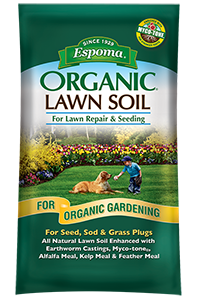
Espoma Organic Lawn Soil is an all-natural organic soil mix designed to promote seed germination and help new sod establish. It contains earthworm castings, alfalfa meal, kelp meal, and feather meal, enhanced with Espoma MYCO-TONE, a blend of endo and ecto mycorrhizae fungi. Use it anytime you sow new grass seed or install sod for organic gardening results with no synthetic plant foods or chemicals.
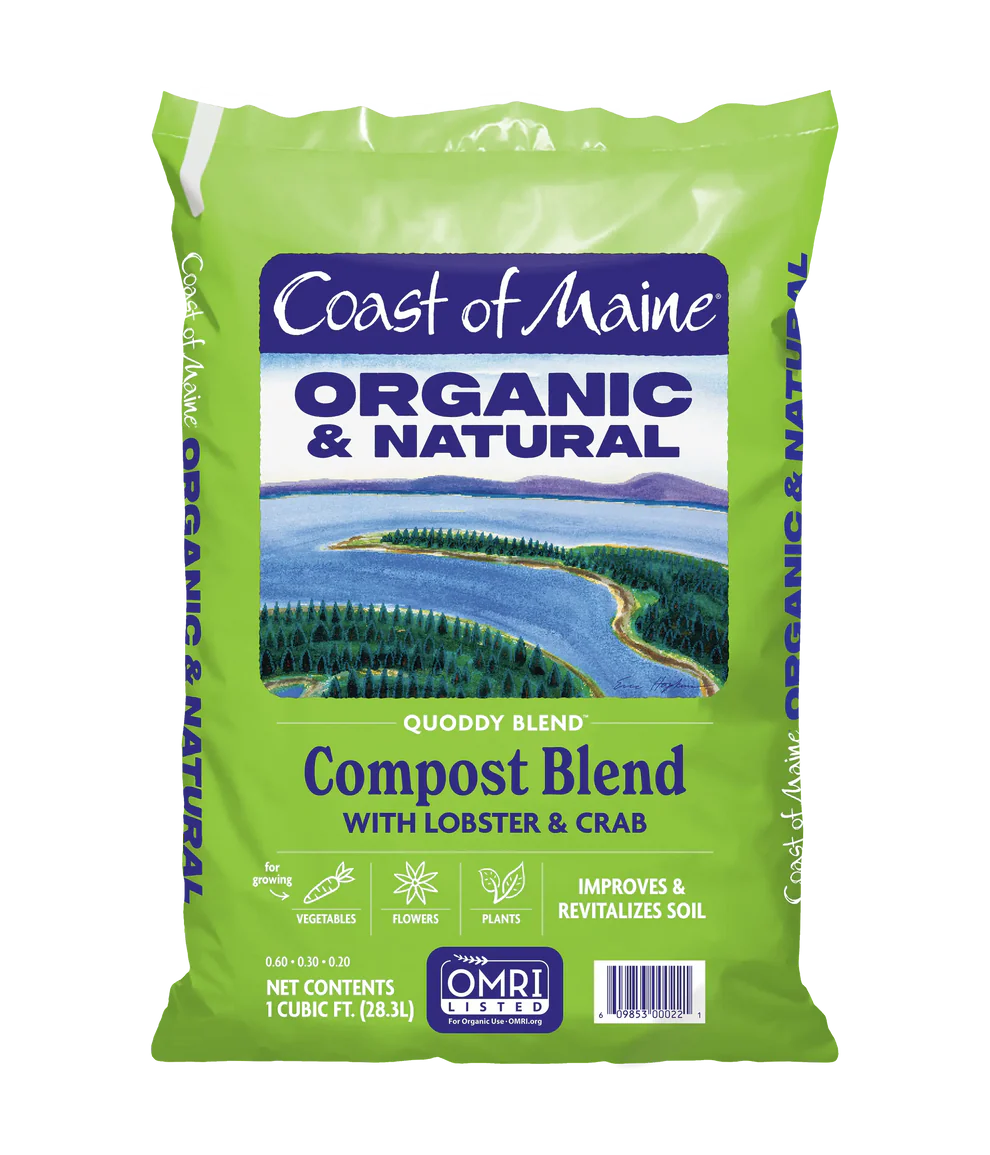
Coast of Maine’s Organic & Natural Quoddy Blend is a premium seafood compost made from lobster and crab shell meal, composted manure, and peat moss to enrich garden soil. It improves soil structure by supporting better drainage, aeration, and water retention for healthier root development. OMRI listed for organic use, it’s a versatile choice for gardens, beds, borders, trees, shrubs, and foliage.
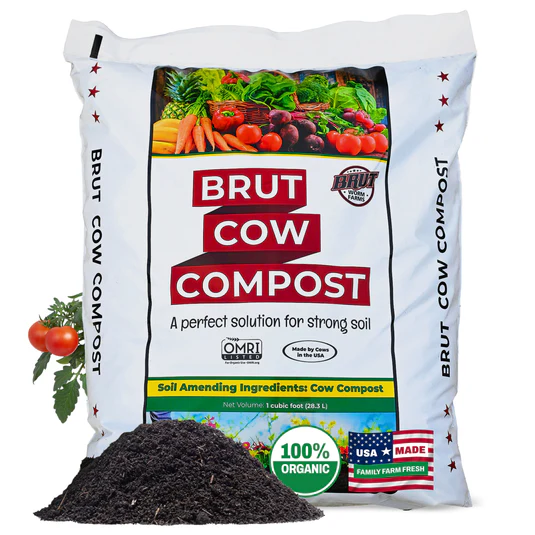
Brut Cow Compost is a nutrient-rich organic soil amendment made from 100% pure, thoroughly composted cow manure. It enriches soil with nitrogen, calcium, and iron, supports beneficial microbial life, and helps plants produce stronger growth. Odor-free and gentle on roots, it can be used for vegetables, flowers, lawns, shrubs, and indoor plants as a top dressing or mixed into garden and potting soil.
Watering
Dogwoods are shallow-rooted and drought-sensitive. Water deeply every one to two weeks during dry periods through the entire first two years after planting. Established dogwoods still benefit from supplemental irrigation during extended summer drought in zones 6 through 8. Drought-stressed dogwoods are more susceptible to both powdery mildew and dogwood anthracnose.
Dogwood Anthracnose
Dogwood anthracnose, caused by Discula destructiva, is the most serious disease of flowering dogwood. It enters through leaf spots and progresses to shoot blight, canker, and eventually crown dieback. Severe infections kill branches across large sections of the canopy.
The disease thrives in cool, wet spring conditions. Symptoms include tan to brown leaf spots with purple margins, wilted and blighted new shoots, and cankers on branches and the main stem that kill tissue progressively downward.
Management combines several approaches: pruning infected branches back to healthy tissue during dry weather, removing fallen leaf debris that harbors spore overwintering, and applying preventive fungicide (chlorothalobin or mancozeb) timed to leaf emergence in spring during high-pressure years. Improving airflow and reducing the humidity around the tree by appropriate siting reduces disease pressure.
For the specific pruning timing and technique that minimizes disease transmission through fresh wounds, the pruning dogwood trees guide covers the late-winter window and tool disinfection protocol.
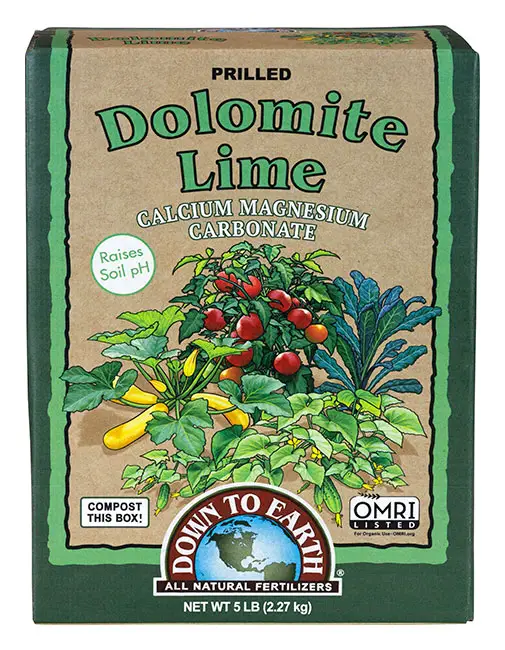
Down To Earth Organic Prilled Dolomite Lime helps raise acidic soil pH for better nutrient uptake and healthier vegetable gardens. Its rich calcium and magnesium support strong cell walls, root growth, and overall plant performance. OMRI listed for organic use, the prilled granules spread easily and act quickly while improving soil structure and microbial activity.
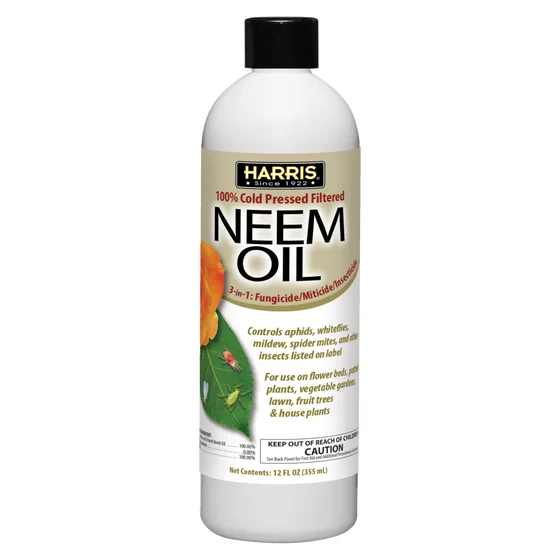
HARRIS Neem Oil Cold Pressed Water Soluble Concentrate is a 3-in-1 insecticide, fungicide, and miticide made from 100% cold pressed neem oil. It is EPA registered to help control aphids, whiteflies, mildew, spider mites, and other label-listed pests and diseases. Safe for indoor and outdoor use, it can be applied to a wide range of flowering and potted plants, vegetable gardens, lawns, ornamentals, fruit trees, and container gardening with foliar or soil treatments.
Kousa Dogwood: A Disease-Resistant Alternative
Kousa dogwood (Cornus kousa), native to Japan and Korea, is significantly more resistant to anthracnose than flowering dogwood. Its flowers appear after leaf emergence (unlike the bare-branch flowering of C. florida), producing white or pink bracts over the foliage in early summer. Kousa dogwood tolerates slightly more sun and drier conditions than flowering dogwood and is a practical alternative for landscapes where anthracnose pressure is high.
Fertilizing
Fertilize dogwoods lightly in early spring with a balanced slow-release formulation appropriate for acid-loving plants. Espoma Holly-Tone or a similar organic formulation at a light rate suits dogwood well. Avoid high-nitrogen fertilizing that promotes the soft, succulent growth most susceptible to disease.