
Best Fertilizer for Arborvitae
Arborvitae (Thuja species) are generally undemanding plants in terms of nutrition, but they respond visibly to targeted fertilizing when growing in poor soil, showing slow growth, or recovering from winter browning or pest damage. The right fertilizer applied at the right time supports dense, healthy foliage and helps the plant fill in gaps caused by browning or mechanical damage.
What Arborvitae Need
Arborvitae are moderate feeders that prefer a balanced nutrient supply with slightly elevated nitrogen to support the dense foliage production that makes them valuable as hedges and screens. A balanced or slightly nitrogen-forward ratio in the range of 10-8-6 to 14-7-7 suits most arborvitae in garden conditions.
Arborvitae grown as dense hedges in heavy clay or compacted soils benefit from fertilizing more than those in well-drained loamy soil with regular organic mulch. Yellowing foliage, particularly new growth that should be bright green but emerges pale, is a reliable indicator that fertilizing is needed.
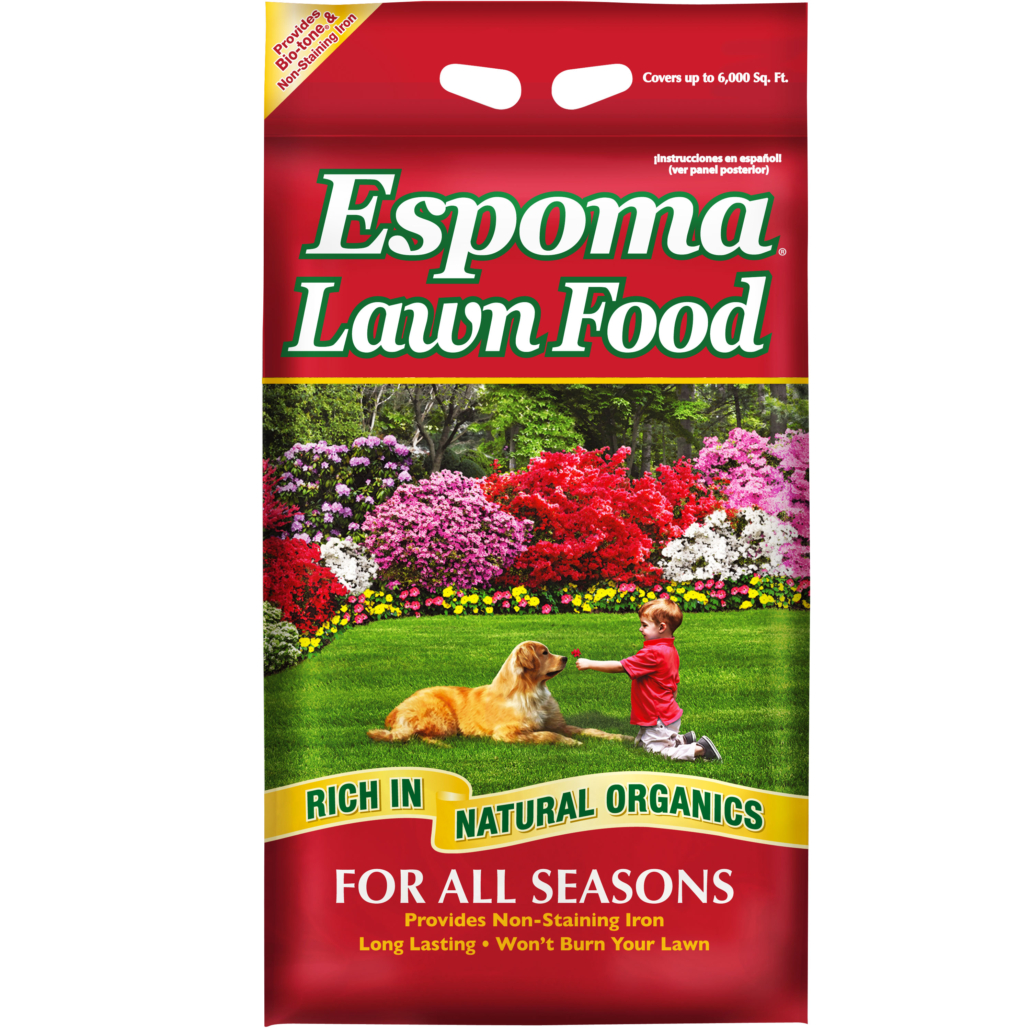
Espoma Lawn Food for All Seasons 15-0-5 provides slow-release, long-lasting nitrogen to help support a greener lawn year-round. Enhanced with iron for deep green color, it helps turn yellow lawns back to green and won’t stain concrete, sidewalks, or driveways. Safe for cool and warm season grasses, it applies in spring, summer, and fall with a drop or broadcast spreader.
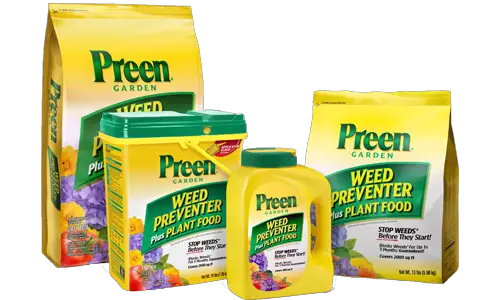
Preen Garden Weed Preventer Plus Plant Food helps prevent weeds while feeding your plants in one simple application. Safe for use in established flower and vegetable garden beds around trees, shrubs, and ground covers, it supports strong root development and abundant blooms. Use during spring, summer, or fall for best results and water it into the soil after sprinkling.
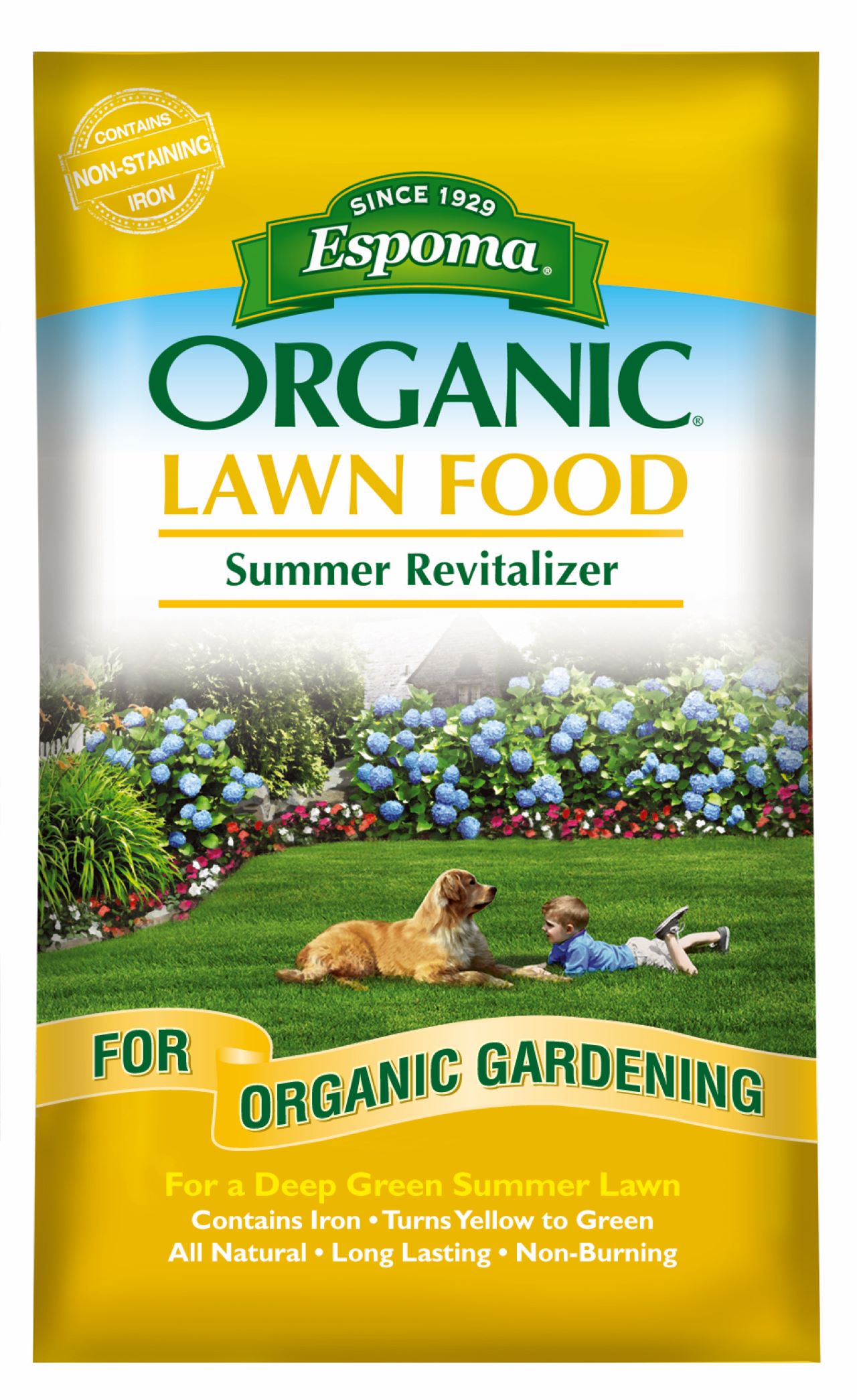
Espoma Organic Lawn Food Summer Revitalizer 8-0-0 delivers long-lasting organic nitrogen to help invigorate lawns during hot weather while adding iron for deep, greener color. Designed for all lawn types and cool- or warm-season grasses, it helps turn yellow lawns back to green without burning or leaching out of soil. Environmentally safe with no sludges or toxic ingredients, it won’t stain concrete, sidewalks, or driveways and is approved as a registered organic input material.
Best Products
Miracle-Gro Tree & Shrub Plant Food Spikes (15-5-10)
A granular spike formulation convenient for application around arborvitae hedges. Drive spikes at the drip line per instructions, spacing them to cover the full planting. The 15-5-10 ratio provides adequate nitrogen for foliage density with potassium support for stress tolerance.
Espoma Holly-Tone (4-3-4)
Holly-Tone is formulated for acid-loving evergreens and suits arborvitae, which prefer a slightly acidic to neutral pH. The organic base feeds soil biology and improves soil structure over time. Slow-release granular; apply in spring and again in fall. Gentle enough to use annually without risk of over-fertilizing.
Jack’s Classic All Purpose Fertilizer 20-20-20 (water-soluble)
For arborvitae that need a faster response, a water-soluble balanced fertilizer applied as a soil drench delivers nutrients more quickly than granular slow-release products. Use at half the recommended rate to avoid excessive growth stimulation.
Dr. Earth Exotic Blend (5-4-6)
An organic granular formulation with a broad micronutrient profile and mycorrhizal inoculants that support root development. Particularly useful for newly planted arborvitae or those being established after transplanting.
Application Timing
Fertilize in early spring before new growth begins and optionally in early fall. Do not fertilize arborvitae after midsummer in cold climates: late-season nitrogen stimulates soft growth that is susceptible to frost damage. Apply granular products evenly under the canopy and water in thoroughly.
Espoma Organic Lawn Soil is an all-natural organic soil mix designed to promote seed germination and help new sod establish. It contains earthworm castings, alfalfa meal, kelp meal, and feather meal, enhanced with Espoma MYCO-TONE, a blend of endo and ecto mycorrhizae fungi. Use it anytime you sow new grass seed or install sod for organic gardening results with no synthetic plant foods or chemicals.
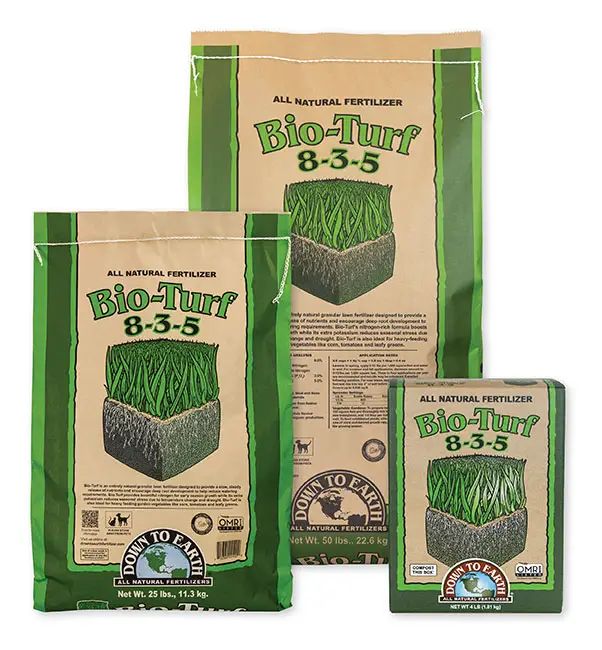
Down to Earth Bio-Turf is an all-natural 8-3-5 organic fertilizer, OMRI listed for use in organic production. It helps encourage deep root development to support greener, stronger growth while reducing watering needs and stress from heat or drought. Ideal for lawns, landscape ornamentals, and heavy-feeding garden vegetables and flowerbeds.
What Fertilizing Will Not Fix
Fertilizing does not reverse brown tips caused by winter desiccation, bagworm defoliation, or physical shearing damage. These problems require the damaged tissue to be pruned out and new growth to fill in. Fertilizing supports the new growth once the underlying problem is addressed. For trimming guidance that avoids creating the bare-wood browning patches common on over-sheared arborvitae, the how to trim arborvitae guide covers safe shaping technique in detail.