
Chainsaw Bar Oil Substitute: What Can You Use?
Chainsaw bar and chain oil lubricates the contact surface between the chain and the bar groove, reducing friction, heat, and wear on both components. Standard petroleum-based bar and chain oil is purpose-formulated with tackiness additives that keep it on the bar rather than flinging off at high chain speeds. When this oil is unavailable, several substitutes work adequately for short-term use.
The operative phrase is short-term. The best substitute is still inferior to correctly formulated bar oil, and using a substitute as a permanent replacement accelerates bar and chain wear compared to the correct product.
Vegetable Oil: The Best Substitute
Plant-based vegetable oils, including canola oil, sunflower oil, and soybean oil, are the most commonly recommended bar oil substitutes. Their viscosity profile at operating temperatures is reasonably compatible with bar lubrication requirements, and they are biodegradable, which makes them the environmentally preferable alternative.
Canola oil is the most accessible and economical option. It lubricates adequately for the duration of a session and cleans up easily. The limitation is that vegetable oils polymerize (thicken and gum) over time when left in the saw’s oil tank and reservoir. Do not leave vegetable oil in the tank between uses; drain it before storage.
For homeowners who process firewood and process high volumes on resinous woods like pine, the oil choice affects chain longevity during extended sessions. Resinous wood species wear chains faster than less resinous hardwoods; a substitute oil accelerates this slightly relative to the purpose-formulated product.
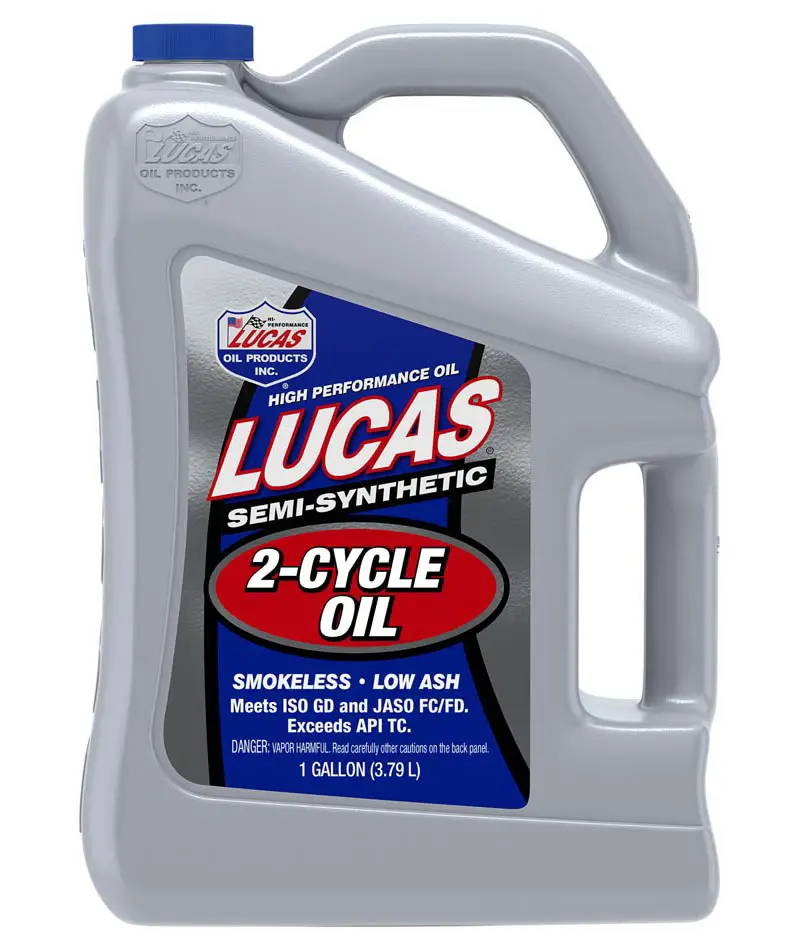
Lucas Oil High Performance semi-synthetic 2-cycle motor oil is specially formulated for oil injection systems or premix ratios up to 50:1. Its advanced smokeless formula with low-ash additives helps deliver cleaner burning, reducing emissions and improving power. An ashless detergent inhibitor package helps minimize spark plug fouling and combustion deposits for cleaner exhaust ports and long trouble-free engine life.
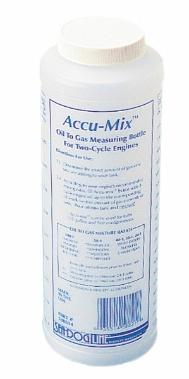
Sea Dog Accu-Mix helps you accurately measure the correct oil-to-gas mixture for 2-cycle engines. The see-through bottle shows multiple mix ratios, including 24:1, 33:1, 40:1, 50:1, and 100:1, so you can measure in both liters and gallons. This reduces guesswork and helps ensure your crew mixes fuel correctly every time.
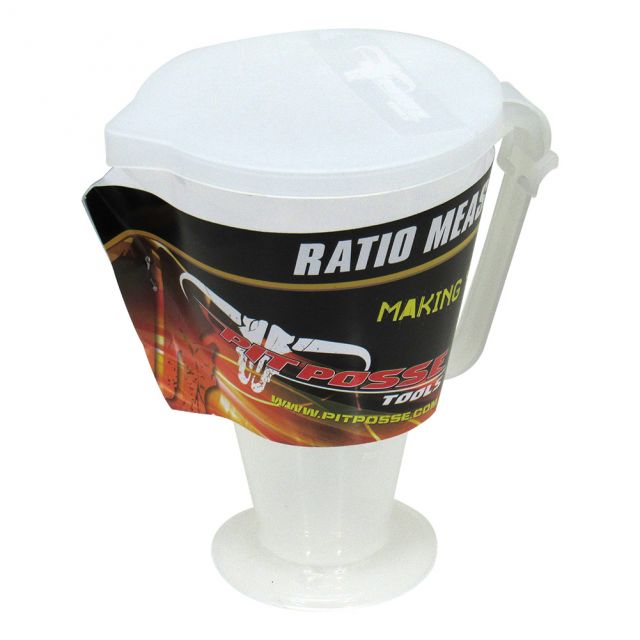
Pit Posse PP3318 is a racing utility measuring cup designed to mix 2-stroke oil and other engine fluids to accurate ratios. It features readable CC and ounce marks plus a 16:1 to 70:1 premix scale to remove guesswork and help you add the right amount quickly. A durable polyurethane jug with a debris-preventing cap and spill-resistant lid helps keep mixtures clean and easier to stir or shake for an even blend.
Used Motor Oil: Acceptable With Caution
Used motor oil has historically been a common bar oil substitute. Its viscosity is appropriate, and it lubricates the bar-chain interface adequately. The concern is the presence of heavy metals and combustion byproducts from engine use, which make it an environmental hazard if it enters soil or waterways.
Many jurisdictions prohibit disposal of used motor oil via normal waste streams. Using it as bar oil releases it directly into the cutting environment. This is a practical and regulatory concern for any cutting near waterways, in wetlands, or in ecologically sensitive areas.
Fresh (unused) motor oil, such as SAE 30 or 10W-30 engine oil, is a cleaner alternative to used oil and performs adequately as a bar oil substitute without the heavy metal contamination issue.
Hydraulic Oil
Hydraulic fluid in the ISO 32 to ISO 46 viscosity range is a viable substitute. It is clean, readily available from equipment suppliers, and has the appropriate viscosity profile. Not as biodegradable as vegetable oil but cleaner than used motor oil.
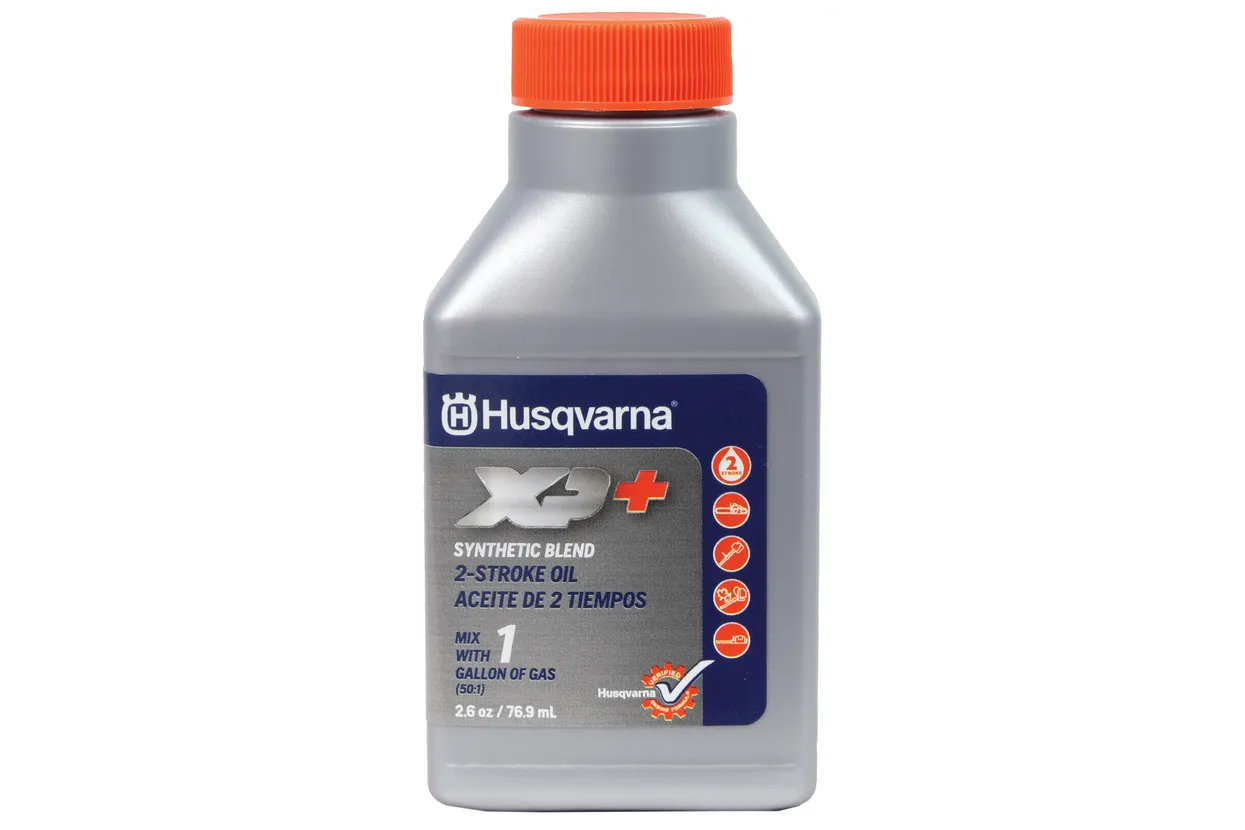
Husqvarna XP+ 2-stroke oil is engineered to maximize performance in all Husqvarna 2-stroke engines. It’s JASO-FD certified with a low-smoke, low operating temperature formulation to help maintain engine protection. The semi-synthetic blend includes fuel stabilizer for improved consistency during use and storage.
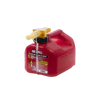
The NO-SPILL 2-1/2 gal Gas Can makes fueling cleaner and more controlled with a thumb button that starts and stops flow instantly. A 7/8-inch funnel spout with an attached dust cover helps fill small equipment while keeping the spout clean. The integrated 20 mesh stainless steel screen and auto-stop feature cut off fuel before overflow to reduce mess and accidental spills.
What Not to Use
Water: No lubrication value and causes immediate rust.
Grease or heavy oils: Too thick to flow through the auto-oiler and into the bar groove. Blocks the oil delivery system.
WD-40 or light penetrating oils: Too thin. They fling off the bar immediately at operating chain speeds and provide no sustained lubrication.
Returning to Standard Bar Oil
After using any substitute, drain the reservoir and wipe it clean before refilling with standard bar oil. Mixing substitute oils with standard bar oil degrades the tackiness additive and reduces the effectiveness of the formulated product. Standard bar oil is the correct long-term choice; substitutes fill a gap.