
How to Get Rid of Oak Mites
Oak mites, more precisely called oak itch mites or Pyemotes herfsi, are a predatory mite that lives inside the galls formed by certain oak-infesting insects on pin oaks and other oak species. In late summer, when populations reach peak density inside mature galls, large numbers of mites drop or are blown from the tree canopy. Humans working or relaxing under infested oaks encounter these falling mites, which bite in an attempt to feed and produce a delayed, intensely itchy skin reaction that can be more severe than a mosquito bite and can persist for one to two weeks. Unlike spider mites, which cause plant damage, oak itch mites do not harm the tree itself, and unlike chiggers, they do not require the homeowner to walk through vegetation to encounter them: the mites come from above.
Understanding the Oak Itch Mite Life Cycle
Pyemotes herfsi is a predatory mite rather than a plant-feeding species. Its primary prey is the larva of the Cecidomyiid gall midge (Polystepha species and related insects) that forms the characteristic jumping oak galls on pin oak leaves and stems. The mite enters the gall tissue, parasitizes the larva inside, and reproduces prolifically within the enclosed environment. A single mite entering a gall can produce hundreds of offspring within the gall before those offspring disperse.
Dispersal typically peaks from late July through September in the central United States, with the timing dependent on local oak gall midge population cycles. Wind is the primary dispersal mechanism: mites emerge from galls and are carried from the canopy on air currents. Outbreaks are most severe when gall midge populations are high (providing abundant prey inside galls), when wind conditions favor downward dispersal from the canopy, and when people are spending time under affected trees during peak dispersal periods.
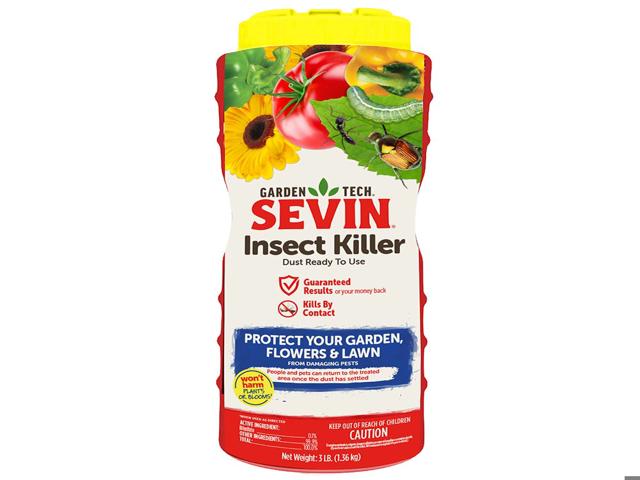
Sevin Insect Killer Dust helps protect flowers and lawn from listed damaging pests with a ready-to-use, shake-and-apply formula. It kills more than 150 insects by contact and creates a protective barrier when applied to leaves, stems, and flowers at the label rate. It won’t harm plants or blooms, and people and pets may return once the dust has settled.
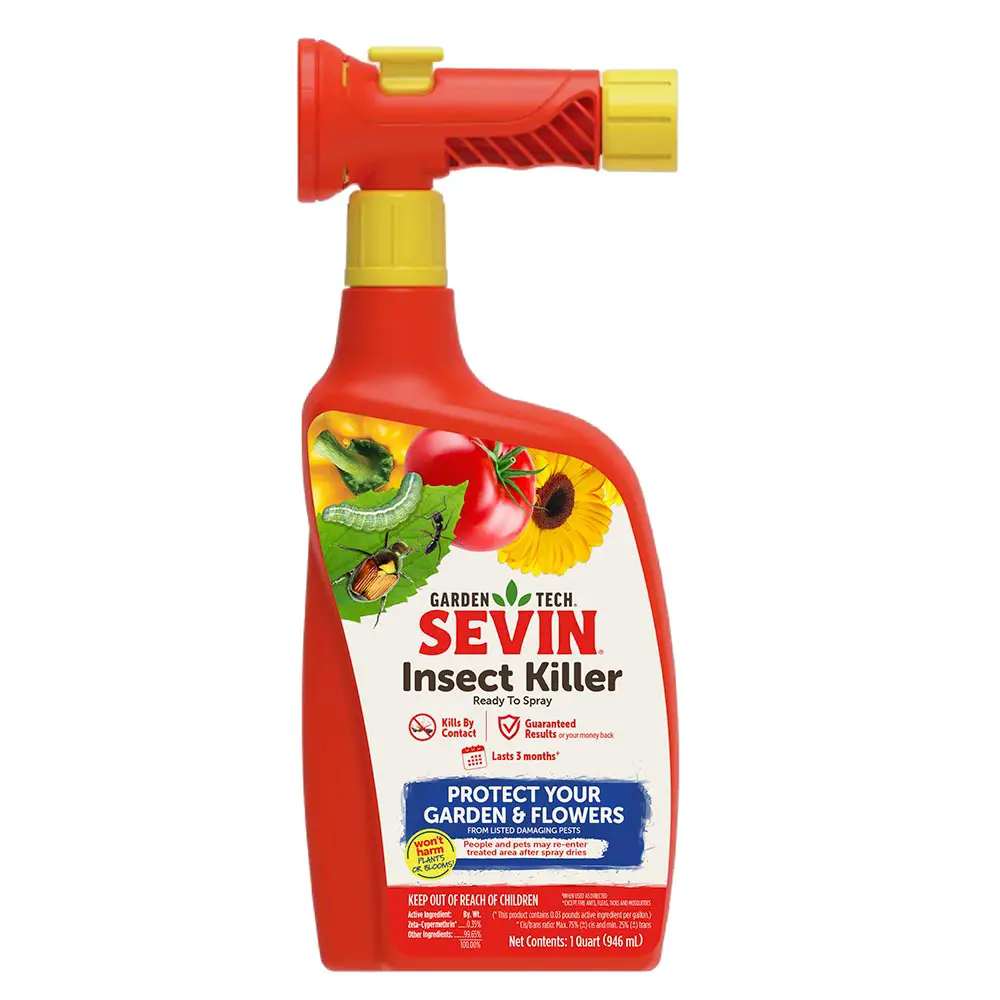
Sevin Insect Killer Ready to Spray helps protect flowers, vegetables, and ornamentals with a plant-safe formula that won’t harm blooms when used as directed. This hose-attachment spray targets a wide range of listed garden insects, including beetles, caterpillars, and aphids, for healthier plants. It provides up to 3 months of outdoor protection and lets people and pets return once the spray dries.
Why Oak Mite Bites Feel Different from Mosquito Bites
The bite reaction from Pyemotes mites is caused by a proteinaceous toxin injected with the bite rather than by simple mechanical piercing. The initial bite may go unnoticed, with the skin reaction developing six to twelve hours later as small, very itchy red welts, often with a central blister. The delayed reaction and the pattern of bites, which tend to cluster on the upper body, neck, and face (the areas exposed when sitting or working under trees while mites fall from the canopy), are the two characteristics that distinguish oak mite bites from chigger bites (which cluster on the lower body) and from mosquito bites (which typically produce an immediate reaction).
Oak mite bites do not transmit disease and do not require medical treatment in the vast majority of cases. Over-the-counter hydrocortisone cream and oral antihistamines reduce the itch and inflammation. Secondary bacterial infection from scratching is the most common complication and warrants antibiotic treatment if signs of infection (expanding redness, warmth, pus, or fever) develop.
Reducing Exposure: Practical Measures
Direct exposure control is the most reliable management approach because treating large oak trees for mite populations within the canopy is generally impractical and of limited effectiveness. The following measures meaningfully reduce the chance of encountering falling mites.
Avoid spending extended time directly under heavily infested pin oaks during peak dispersal periods in late summer, particularly on windy days when mite dispersal from the canopy is highest. Moving outdoor seating and activity areas to locations not directly under large oak canopies eliminates the primary exposure pathway.
Wear long sleeves and a hat when working under oaks during high-dispersal periods. Mites that land on clothing do not penetrate fabric and can be removed by showering and changing clothes after outdoor work under infested trees.
Apply an insect repellent containing DEET to exposed skin before working under infested trees. DEET does not kill mites but acts as a repellent that reduces biting attempts.
Shower promptly after outdoor activity under suspect trees during the late-summer dispersal period to rinse off any mites that have landed on skin before they have time to bite.
Tree-Level Management
Because the oak itch mite population exists within gall tissue inside the tree canopy, spraying the tree with a miticide is largely ineffective: mites inside closed gall tissue are inaccessible to contact treatments, and the population within the canopy of a mature oak is too large and dispersed for a ground-level homeowner spray to make a meaningful impact.
The more productive tree-management approach is addressing the gall midge population that provides the mite’s prey base. This is a long-term strategy rather than a quick fix: reducing gall midge pressure on a specific tree over multiple seasons through the natural cycling of the gall midge population, along with maintaining overall tree health through proper irrigation, mulching, and avoiding soil compaction around the root zone, is more likely to produce lasting improvement than any single spray program.
For trees with severe, recurring mite problems where the canopy is reachable by licensed spray equipment, a professional application of a systemic insecticide targeting gall midges in early spring (before gall formation) can reduce the prey base available to mites in the following season. This is a licensed professional application, not a DIY option for mature trees.