
How to Get Rid of Yellow Jackets in Your Yard
Yellow jackets are the stinging insects responsible for the majority of wasp sting incidents in North American yards, and the combination of their ground-nesting habit, aggressive colony defense behavior, and late-summer population peak makes them genuinely hazardous in areas with regular human activity. Unlike paper wasps, which build open nests and defend them reluctantly, yellow jackets will pursue threats aggressively from several feet away from the nest entrance and sting repeatedly. Understanding the nest type, the colony size, and the time of season before attempting any treatment determines whether DIY removal is appropriate or whether the risk warrants a professional approach.
Identifying Yellow Jackets
Yellow jackets are in the genera Vespula and Dolichovespula, with the eastern yellow jacket (Vespula squamosa), the common yellow jacket (Vespula alascensis), and the western yellow jacket (Vespula pensylvanica) being the most frequently encountered species in residential yards. Workers are 10 to 16 mm long with bold yellow-and-black banding, a narrow waist, and a smooth, hairless body that distinguishes them from the fuzzy-bodied bumblebee that is often confused with yellow jackets in poor light.
Yellow jacket flight is rapid and direct, with a characteristic side-to-side leg-dangling when flying near food sources. Unlike honeybees, yellow jackets do not carry visible pollen loads on their legs. They are carnivorous and sweet-feeding, which means they are attracted to outdoor meals, meat, soft drinks, and fallen fruit as well as to protein-rich insect prey.
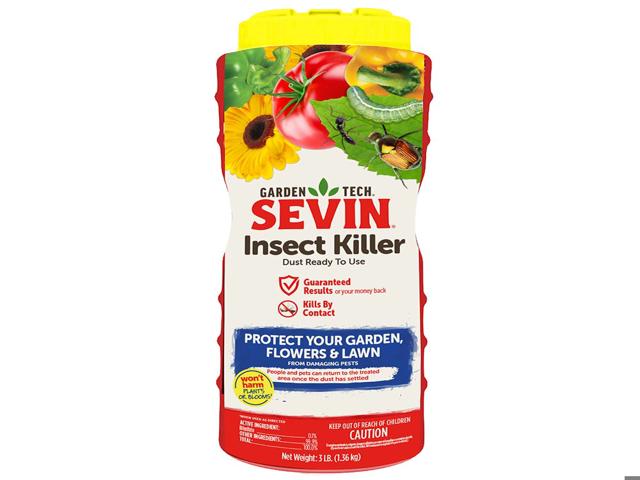
Sevin Insect Killer Dust helps protect flowers and lawn from listed damaging pests with a ready-to-use, shake-and-apply formula. It kills more than 150 insects by contact and creates a protective barrier when applied to leaves, stems, and flowers at the label rate. It won’t harm plants or blooms, and people and pets may return once the dust has settled.
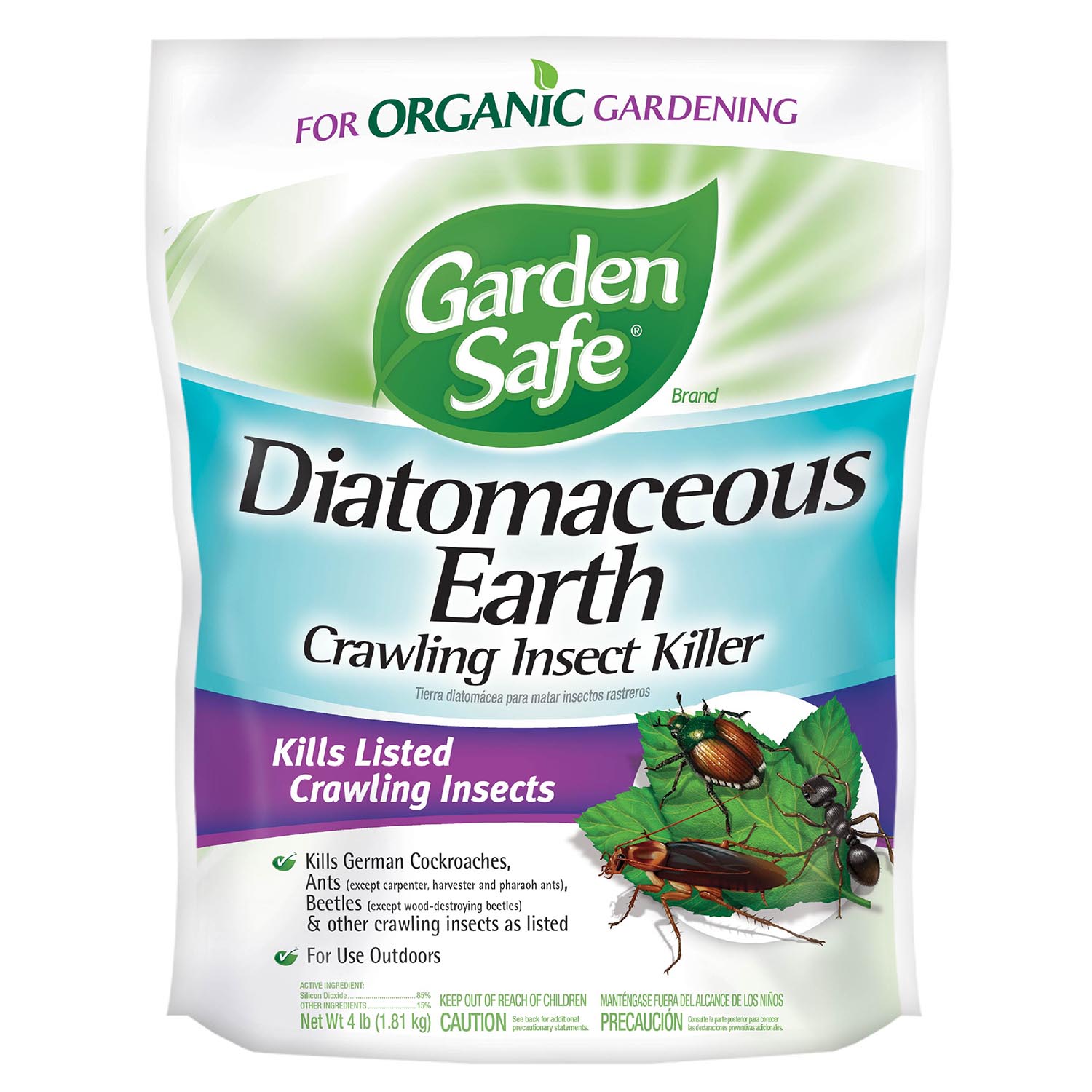
Garden Safe diatomaceous earth-based crawling insect killer provides organic, long-lasting control for listed pests. It kills German cockroaches, ants, beetles, fleas, mealybugs, and other crawling insects by contact by coating their exoskeletons and drying them out. Apply a thin powdery layer outdoors on plants and surrounding soil, and use indoors for crawling insect control as directed.
HARRIS Food Grade Diatomaceous Earth is made from 100% ground freshwater diatomaceous earth with no additives or fillers, making it suitable for food-grade use. It comes with a powder duster for easy, efficient application on animal feed. OMRI listed, and Harris supports the local Etowah Valley Humane Society with a portion of profits.
Ground Nests vs Aerial Nests
Yellow jacket nest type determines the treatment approach and the risk level.
Ground nests are the most dangerous yellow jacket configuration. The colony builds inside an existing cavity in the soil, often a former rodent burrow, under a rock, beneath pavement, or inside a tree root void. The only visible feature is the nest entrance hole, typically 1 to 2 inches in diameter, with workers entering and exiting continuously during warm daylight hours. A mature ground nest in late summer can contain 1,000 to 5,000 workers, and any disturbance within several feet of the entrance triggers a rapid defensive swarm. Ground nests discovered accidentally by lawn mowing or foot traffic are the source of most serious multiple-sting incidents.
Aerial nests are the gray, paper-covered enclosed nests built in tree branches, under deck overhangs, in attic vents, and under eaves. The papery exterior of the aerial nest is constructed from chewed wood fiber mixed with saliva. Aerial yellow jacket nests are somewhat less dangerous to treat than ground nests because the nest is visible, the entrance can be clearly targeted, and the spray application distance of a jet-stream aerosol can keep the applicator outside the immediate defense zone.
Treatment Timing: Why Night Application Is Non-Negotiable
Yellow jacket treatment is most safely performed at night, after complete darkness has fallen and temperatures are below about 50 degrees Fahrenheit. At night, foraging workers have returned to the nest, the colony is at rest, flight activity is essentially zero, and cooler temperatures reduce wasp metabolism and response speed. A colony that would swarm aggressively at midday is dramatically less reactive in cold nighttime conditions.
Do not use a flashlight directed at the nest entrance during a nighttime application: yellow jackets orient toward light and a flashlight aimed at the nest will provoke defensive activity. Use a red-filtered light directed away from the nest, or set up lighting in a direction that illuminates your working area without shining into the nest entrance.
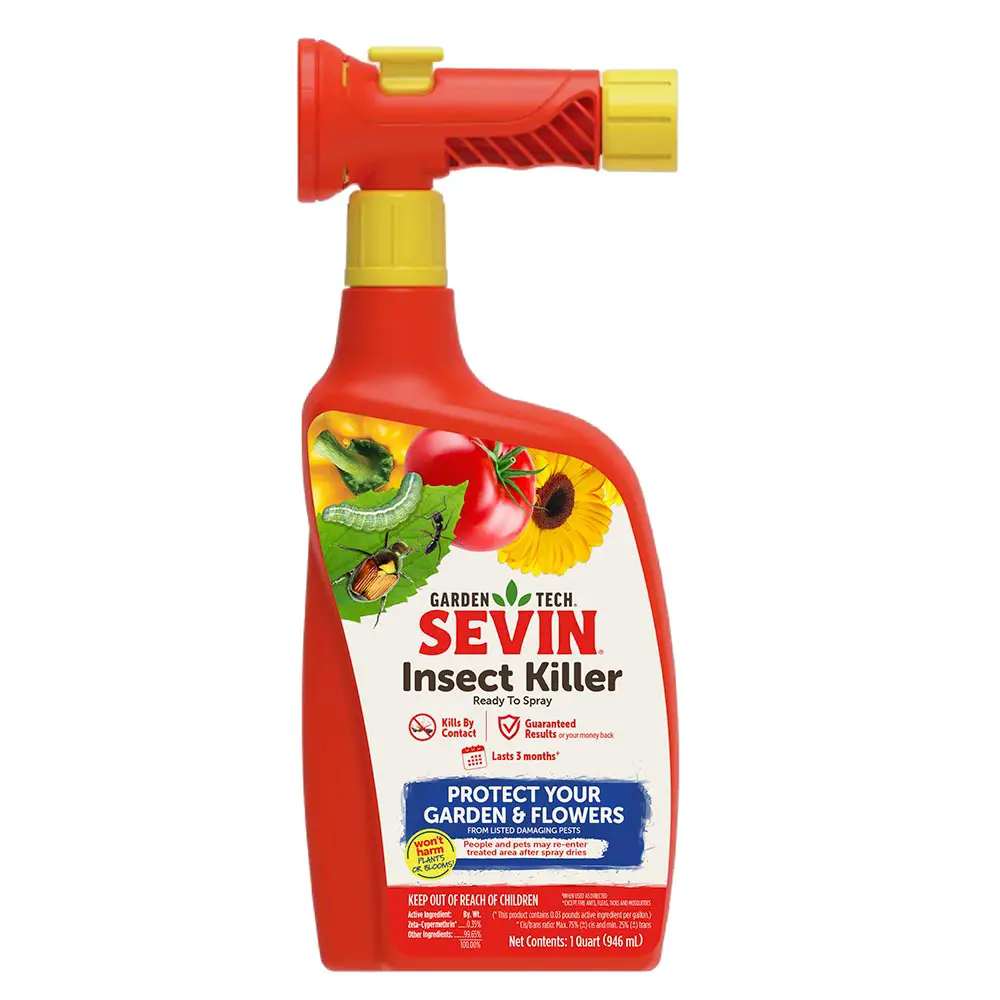
Sevin Insect Killer Ready to Spray helps protect flowers, vegetables, and ornamentals with a plant-safe formula that won’t harm blooms when used as directed. This hose-attachment spray targets a wide range of listed garden insects, including beetles, caterpillars, and aphids, for healthier plants. It provides up to 3 months of outdoor protection and lets people and pets return once the spray dries.
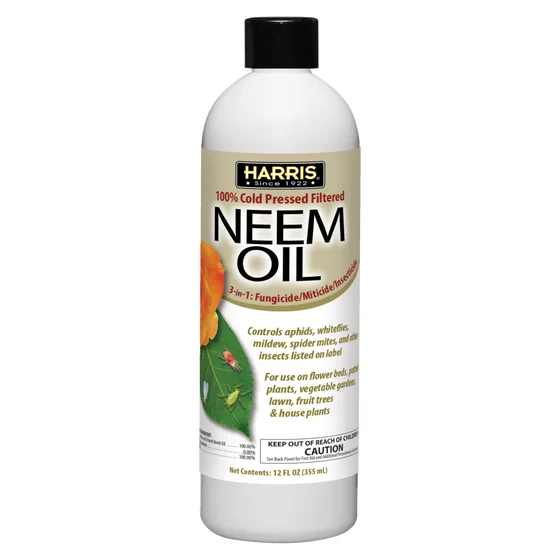
HARRIS Neem Oil Cold Pressed Water Soluble Concentrate is a 3-in-1 insecticide, fungicide, and miticide made from 100% cold pressed neem oil. It is EPA registered to help control aphids, whiteflies, mildew, spider mites, and other label-listed pests and diseases. Safe for indoor and outdoor use, it can be applied to a wide range of flowering and potted plants, vegetable gardens, lawns, ornamentals, fruit trees, and container gardening with foliar or soil treatments.
Treating a Ground Nest
Approach the nest entrance with a jet-stream aerosol wasp and hornet spray (see our best wasp and hornet spray guide for product recommendations) from a distance of at least six feet. Apply the jet stream directly into the nest entrance hole for five to ten seconds, then move immediately away from the area. Do not bend over the hole or position yourself directly above it: the escape route from a disturbed ground nest is straight up.
Do not seal the nest entrance immediately after treatment. Worker bees returning from nighttime or early-morning foraging will attempt to enter the sealed nest, become agitated at the entrance, and present a stinging hazard at the surface. Leave the entrance open for 48 hours after treatment, then confirm no activity before filling or covering the hole.
A second application on the following night is strongly recommended for large or established ground nests, as a single application may not reach all gallery sections.
Treating an Aerial Nest
Apply a jet-stream aerosol directly to the nest entrance, which is a small opening at the base of the nest structure, from the maximum effective distance of the product (typically 20 to 27 feet for most jet-stream aerosols). Saturate the entrance for five to seven seconds. If the nest is small enough to be enclosed in a heavy-duty plastic bag, placing the bag over the entire nest before nest removal and sealing it quickly traps any remaining live wasps inside. Do this only after a thorough night-time insecticide application has significantly reduced the colony population.
When to Call a Professional
Ground nests that are inside a wall void, under a deck or porch structure that limits access, or in a location that makes safe nighttime treatment impossible without entering a confined space warrant professional treatment. Aerial nests larger than a soccer ball in late summer carry a large enough colony population that amateur treatment with a single aerosol can is unlikely to fully eliminate the colony. Any yellow jacket situation where a confirmed venom allergy is present in a household member should be handled by a professional with the appropriate equipment and emergency response capability.