
Shade Gardening: Ideas and Best Plants for Low-Light Areas
Shade gardens are often dismissed as the difficult end of gardening, consigned to the corners where nothing else will grow. This understates what is possible in low-light conditions. A well-designed shade garden in damp, humus-rich soil offers some of the most sophisticated and restful planting palettes available, with an emphasis on foliage texture and color over flowering and a calm, woodland aesthetic that many gardeners find more satisfying than the high-maintenance color intensity of full-sun borders.
Understanding Your Shade Type
Shade is not uniform. The specific shade type in your garden determines which plants will perform, and misreading it is the most common reason shade garden plants fail.
Dappled shade under deciduous trees that allow shifting light through the canopy through the day is the most accommodating condition. Many woodland plants including hostas, ferns, astilbes, primulas, and hellebores thrive in dappled shade with adequate moisture.
Dry shade under dense evergreen trees or on the dry side of a building is the most challenging condition. Root competition from adjacent trees, low light, and moisture deficit combine to stress most plants. Successful dry shade plants include Epimedium, Pachysandra terminalis, Liriope muscari, ivy, and some geranium species.
Deep shade receiving fewer than two hours of direct or indirect light per day supports the fewest plants. Ferns, mosses, and some native shade ground covers are reliable in deep shade; most ornamental garden plants are not.
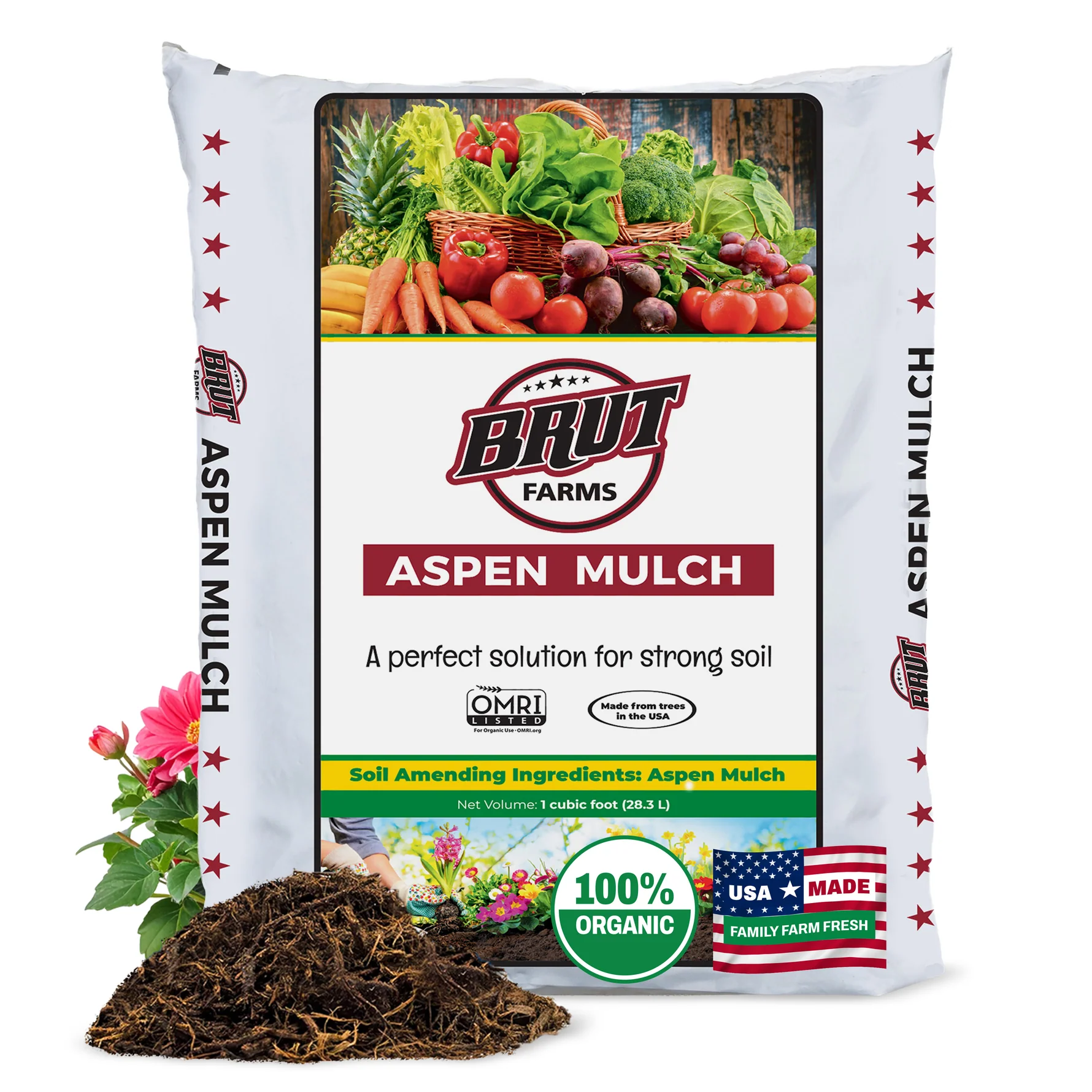
Brut Organic Aspen Mulch creates a clean, polished garden surface while helping minimize weeds naturally. Its high-carbon, odor-free aspen bark supports beneficial soil microbes and improves soil structure for healthier plants. The mulch naturally retains moisture, promoting water-efficient root hydration for garden beds, potted plants, and outdoor planters. OMRI-listed for certified organic gardening.
Espoma Organic Lawn Soil is an all-natural organic soil mix designed to promote seed germination and help new sod establish. It contains earthworm castings, alfalfa meal, kelp meal, and feather meal, enhanced with Espoma MYCO-TONE, a blend of endo and ecto mycorrhizae fungi. Use it anytime you sow new grass seed or install sod for organic gardening results with no synthetic plant foods or chemicals.
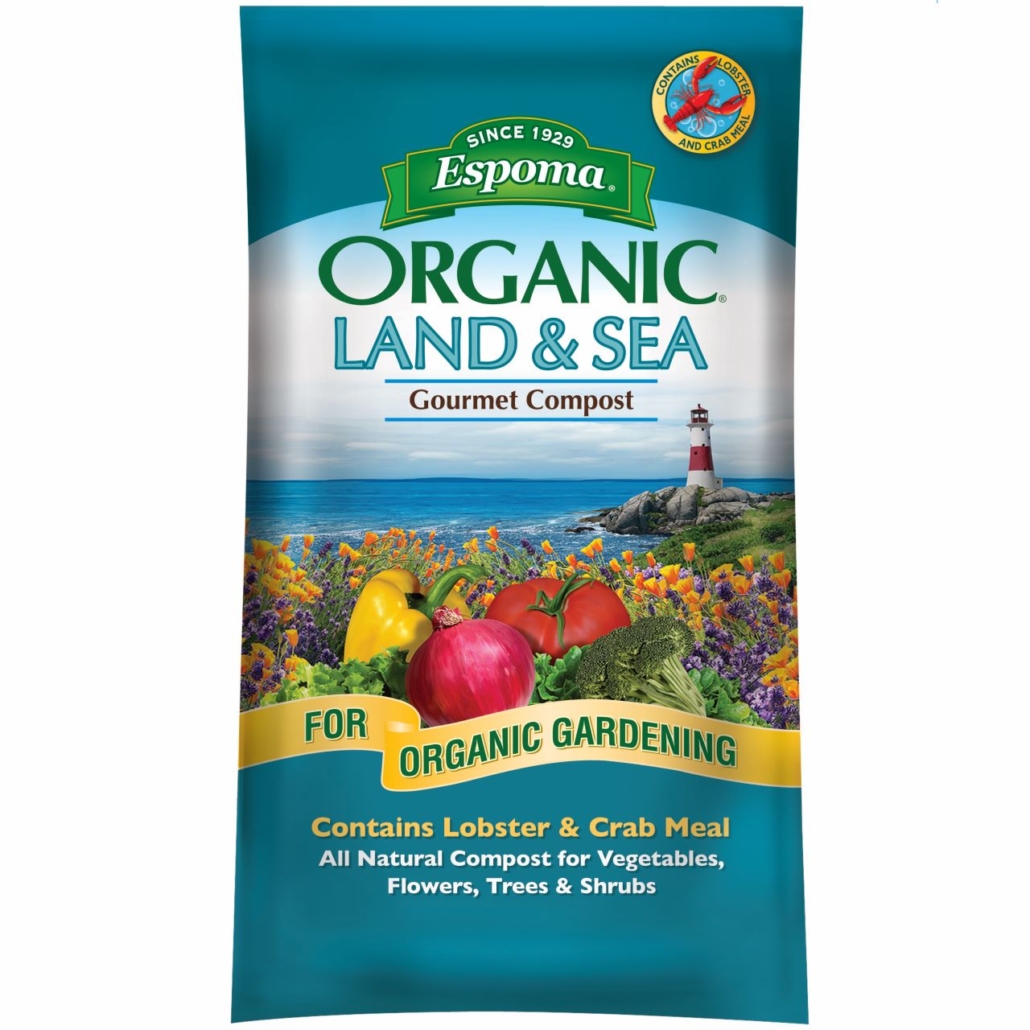
Espoma Organic Land and Sea Gourmet Compost is a rich organic planting mix designed to improve native soil and revitalize container gardens. Enriched with both lobster and crab meal, it supports healthy growth for vegetables, flowers, trees, and shrubs. The blend also includes myco-tone endo and ecto mycorrhizae and contains no synthetic plant foods or chemicals.
Design Principles for Shade Gardens
Foliage is the primary design element in shade. With limited flowering, the texture, size, color, and contrast of leaves carry the visual interest through a long season. Combining large-leaved hostas with fine-textured ferns, glossy-leaved aucubas with matte-leaved epimediums, and light-colored variegated plants with deep green background planting creates visual interest that does not depend on flowers.
Light-reflecting surfaces amplify what light is available. Light-colored gravel paths, pale stone or painted walls, and variegated or silver-foliaged plants all make shade gardens feel brighter and more spacious than they photograph in direct comparison with sun-filled spaces.
Best Plants for Damp Shade
Hostas are the defining plant of the moist shade garden: large, bold foliage in green, blue-green, gold, and variegated combinations, with lilac or white flower spikes in summer. Slug damage is the principal management challenge.
Astilbe produces feathery plumes of flower in white, pink, and red in midsummer and requires consistently moist soil. It is one of the few shade plants that provides a genuinely colorful flower display.
Hellebores flower in late winter to early spring before deciduous tree canopy closes, providing the earliest color in the shade garden. They are evergreen, clump-forming, and increasingly long-lived once established.
Ferns including Dryopteris, Polystichum, and Osmunda are foundational foliage plants for shade. Many are evergreen and provide year-round structure.
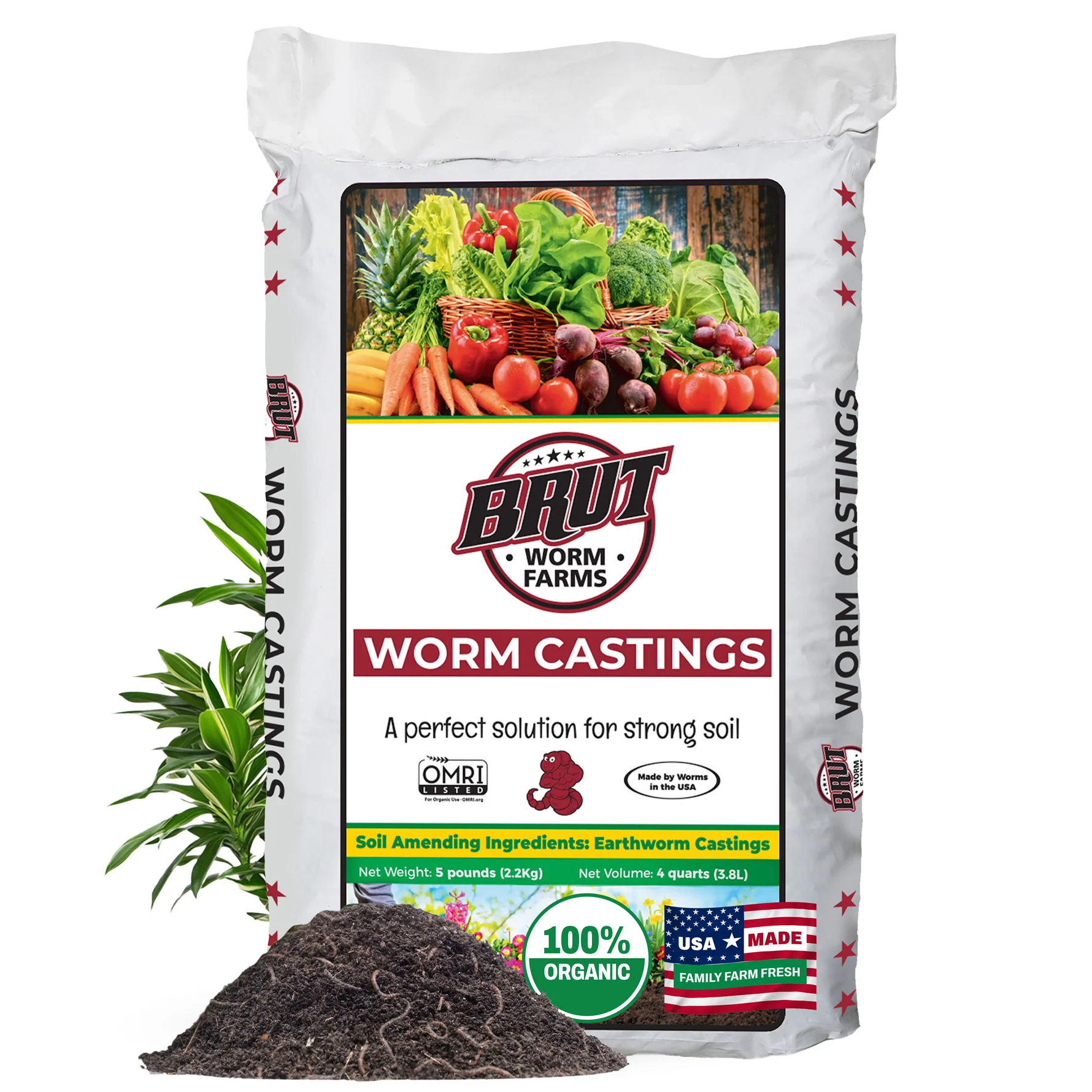
Brut organic worm castings provide mineral-rich, certified organic nutrition to supercharge indoor and outdoor plants. Raised indoors in containers for purity, these castings support lush greenery, vibrant blooms, and bountiful harvests. OMRI and CDFA listed formula helps deliver nature’s nutrients directly to plant roots for healthy growth from root to leaf.
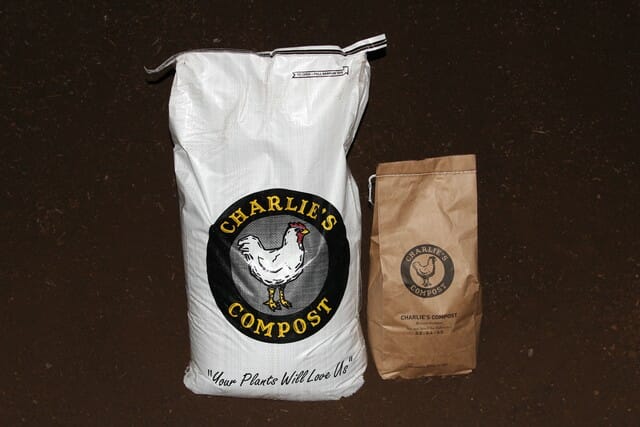
Charlie's Compost is an odor-free organic compost that enriches soil with nutrients and improves soil structure for healthier plant growth. It’s ideal for home gardens, raised beds, containers, and seed starting mixes, and it works as a compost tea ready amendment. The formula supports continuous nutrient release and offers low-odor composting for small-space and indoor-friendly use.