
Landscaping on a Slope: Ideas and Practical Solutions
A sloped garden presents real landscaping challenges: erosion control, water runoff management, access without slipping, and creating usable flat spaces are all more complex than on level ground. At the same time, slopes offer design opportunities that flat gardens cannot match, including dramatic level changes, retaining wall construction that creates strong structural character, and the ability to view planting from above or below for visual effects unavailable at ground level.
Understanding Your Slope
Slope gradient determines which solutions are practical. Gentle slopes of 10 to 15 percent (a 10 to 15 centimeter rise per meter of horizontal distance) can be planted directly without structural intervention. Moderate slopes of 15 to 30 percent benefit from terracing but do not necessarily require engineering-grade retaining walls. Steep slopes above 30 percent require professional structural assessment before any significant landscaping.
Measure your slope before planning: walk up the slope from the bottom to the top while a helper holds a long spirit level horizontal at the start point. The vertical distance between the level and the slope surface at the far end, divided by the horizontal distance, gives the gradient percentage.
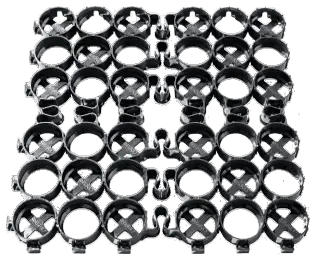
TRUEGRID PRO LITE permeable pavers are lightweight, DIY-friendly driveway and outdoor base pavers that install easily for a variety of projects. Made in the USA from 100% post-consumer recycled HDPE, they are snow plow-able, 100% permeable, and drain instantly to help prevent mud, ruts, puddles, and potholes. Ideal for driveways, shed bases, patios, RV pads, trails, and more, with easy maintenance and the ability to saw cut for custom fit.
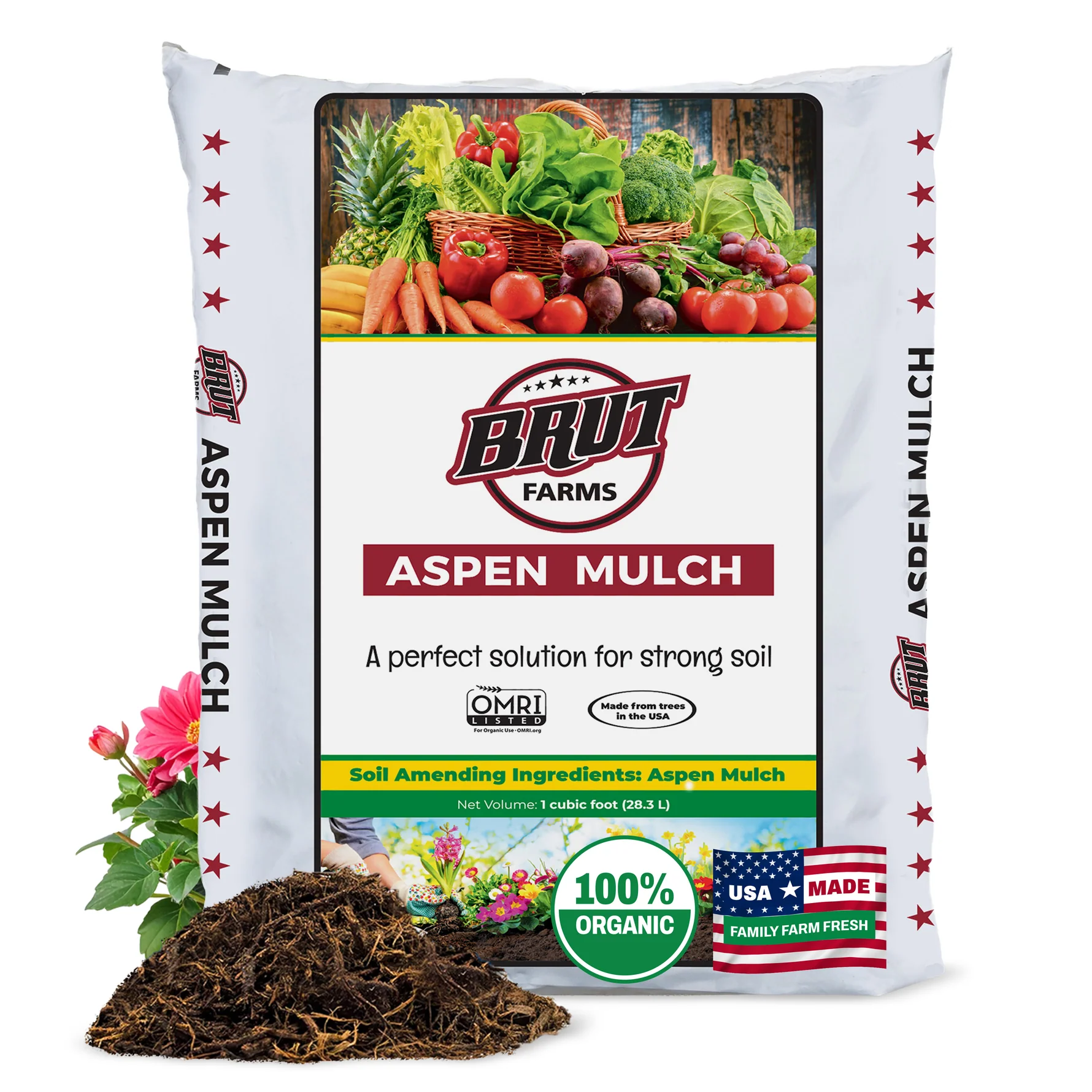
Brut Organic Aspen Mulch creates a clean, polished garden surface while helping minimize weeds naturally. Its high-carbon, odor-free aspen bark supports beneficial soil microbes and improves soil structure for healthier plants. The mulch naturally retains moisture, promoting water-efficient root hydration for garden beds, potted plants, and outdoor planters. OMRI-listed for certified organic gardening.
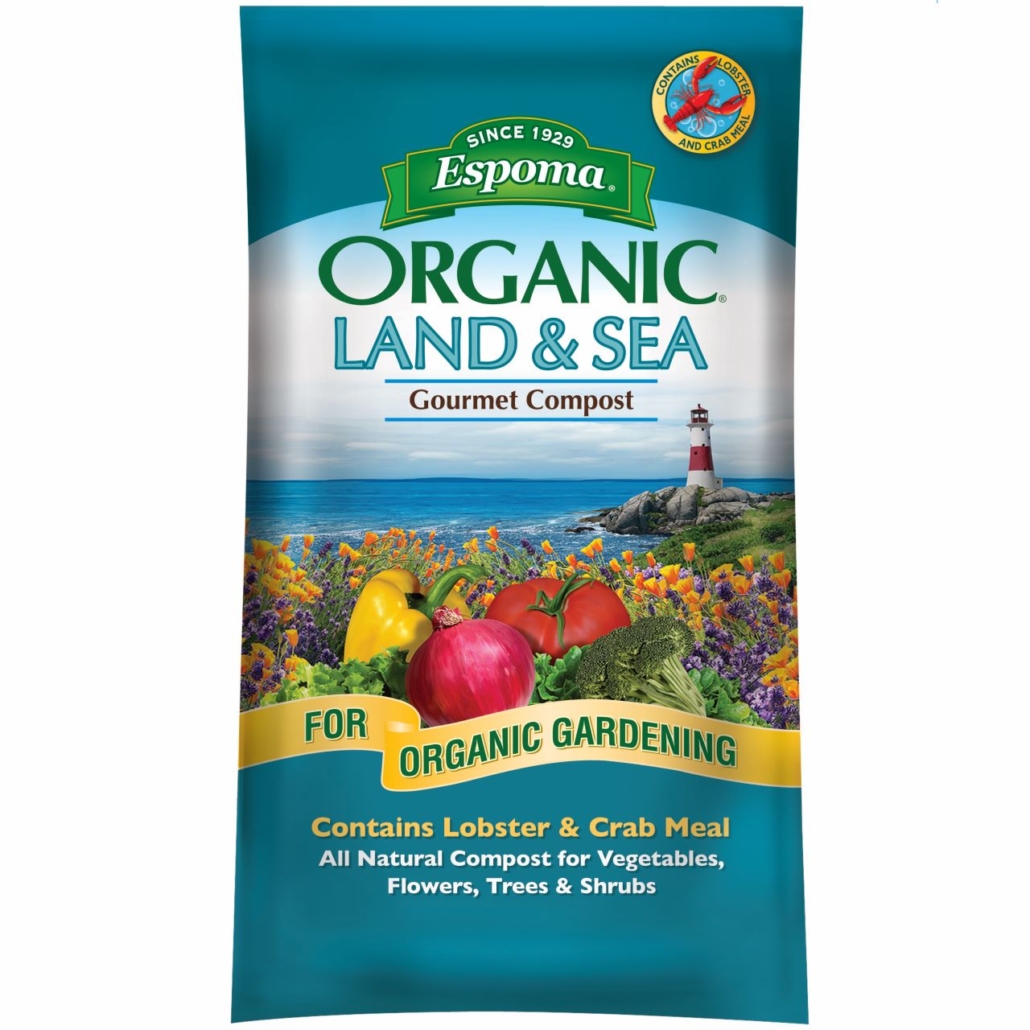
Espoma Organic Land and Sea Gourmet Compost is a rich organic planting mix designed to improve native soil and revitalize container gardens. Enriched with both lobster and crab meal, it supports healthy growth for vegetables, flowers, trees, and shrubs. The blend also includes myco-tone endo and ecto mycorrhizae and contains no synthetic plant foods or chemicals.
Terracing and Retaining Walls
Terracing converts a slope into a series of level platforms by cutting into the hillside and retaining the cut face with a wall or reinforced bank. Each terrace creates a usable flat area and reduces the velocity of water running down the slope, which is the primary driver of erosion.
Retaining walls for garden terracing can be constructed from timber (railway sleepers or hardwood posts), dry-stacked stone, mortared stone or brick, or concrete block. Dry-stacked stone is the most naturalistic option and, when built correctly, is highly durable and allows planting in the wall face. Timber sleepers are the most cost-effective option for moderate slopes.
Any retaining wall above 60 centimeters should have adequate drainage provision (weep holes or a gravel backfill with drainage pipe) to prevent hydrostatic pressure building behind the wall and causing failure.
Ground Cover and Erosion Control
On slopes too gentle or too large for full terracing, deep-rooted ground cover plants that stabilize the soil are the practical landscaping solution. The root network binds soil particles together and reduces surface runoff velocity, preventing the erosion that occurs on bare or grass-covered slopes.
Effective ground cover for slopes includes Hypericum calycinum (rose of Sharon) for sun, ivy for shade, Cotoneaster horizontalis for sunny banks, Pachysandra terminalis for dry shade, and ornamental grasses for naturalistic slope planting. The full range of ground cover options across different light conditions is in the best ground cover plants guide.
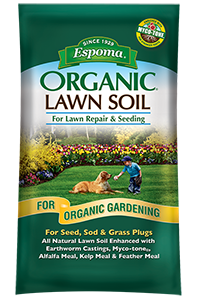
Espoma Organic Lawn Soil is an all-natural organic soil mix designed to promote seed germination and help new sod establish. It contains earthworm castings, alfalfa meal, kelp meal, and feather meal, enhanced with Espoma MYCO-TONE, a blend of endo and ecto mycorrhizae fungi. Use it anytime you sow new grass seed or install sod for organic gardening results with no synthetic plant foods or chemicals.
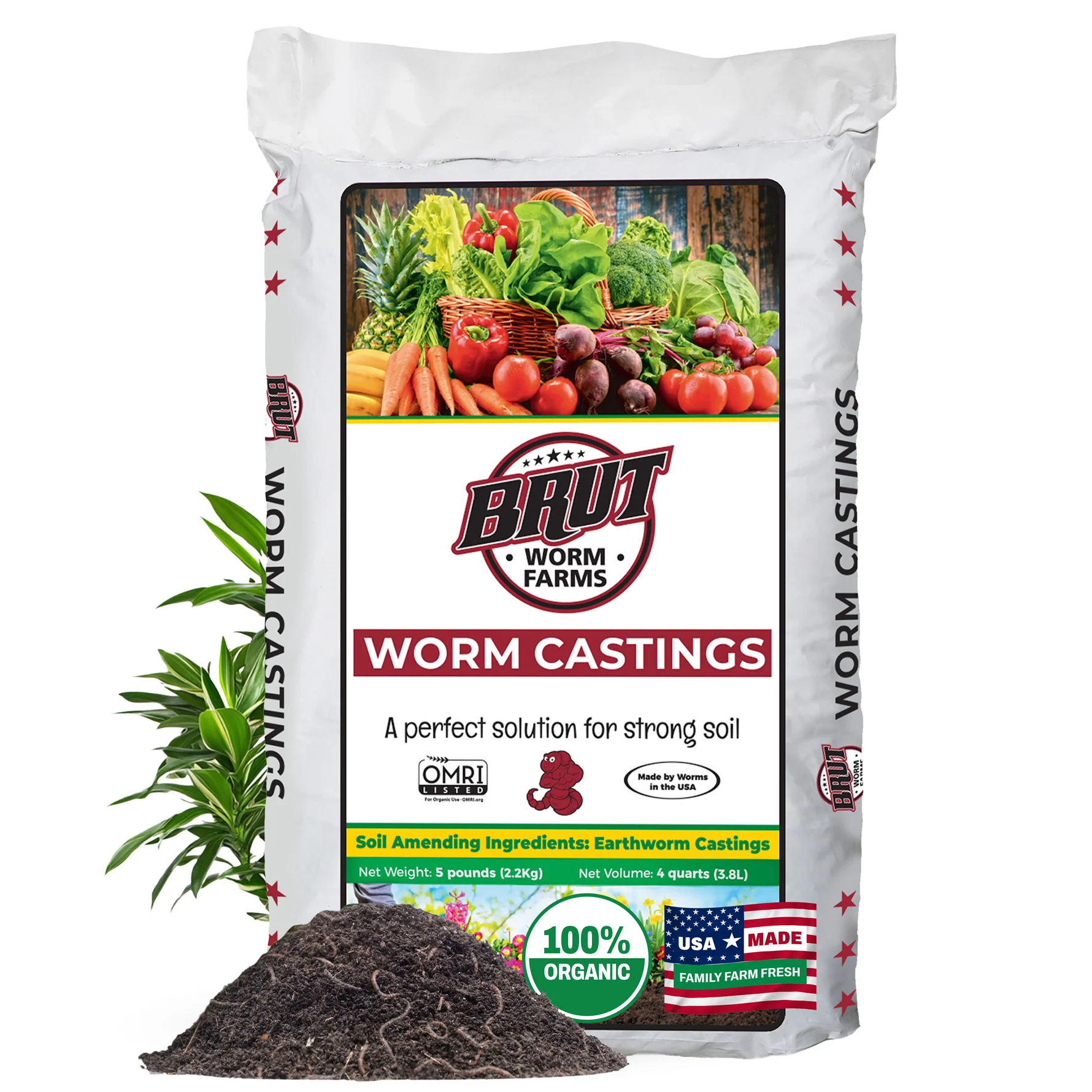
Brut organic worm castings provide mineral-rich, certified organic nutrition to supercharge indoor and outdoor plants. Raised indoors in containers for purity, these castings support lush greenery, vibrant blooms, and bountiful harvests. OMRI and CDFA listed formula helps deliver nature’s nutrients directly to plant roots for healthy growth from root to leaf.
Access and Paths
Steps on a slope must be proportioned differently from steps inside a building. Garden steps comfortable to walk on have a riser of 10 to 15 centimeters (lower than indoor steps) and a tread of at least 40 centimeters, with the tread sloping very slightly forward (1 to 2 degrees) to drain rainwater. Informal stepping stone paths on shallow slopes should be set into the slope rather than on top of it, so the path surface is flush with the surrounding ground rather than raised, which reduces the trip hazard in wet conditions.