
How to Landscape Around Trees Without Harming Them
Landscaping around mature trees is one of the most common and most frequently mishandled gardening projects. The inclination to tidy the ground under a tree with a raised circular bed, decorative mulch, and planted flowers is understandable, but several common approaches in this process cause significant harm to the tree over time. Understanding where the roots are and how they function is the foundation of getting this right.
Where Tree Roots Actually Are
The popular image of tree roots as a mirror image of the canopy, going straight down to great depths, is misleading for most landscape trees. The vast majority of feeder roots (the fine, absorptive roots that take up water and nutrients) are in the top 30 to 60 centimeters of soil, often extending two to three times the radius of the canopy or even further. These shallow feeder roots are the first casualty of landscaping operations: digging, soil compaction, grade changes, and smothering with fill material all damage them.
Designing beds around trees requires understanding how far the root system extends and which roots are safe to disturb. The approach to managing surface roots without damaging the tree is covered in the surface tree root removal guide.
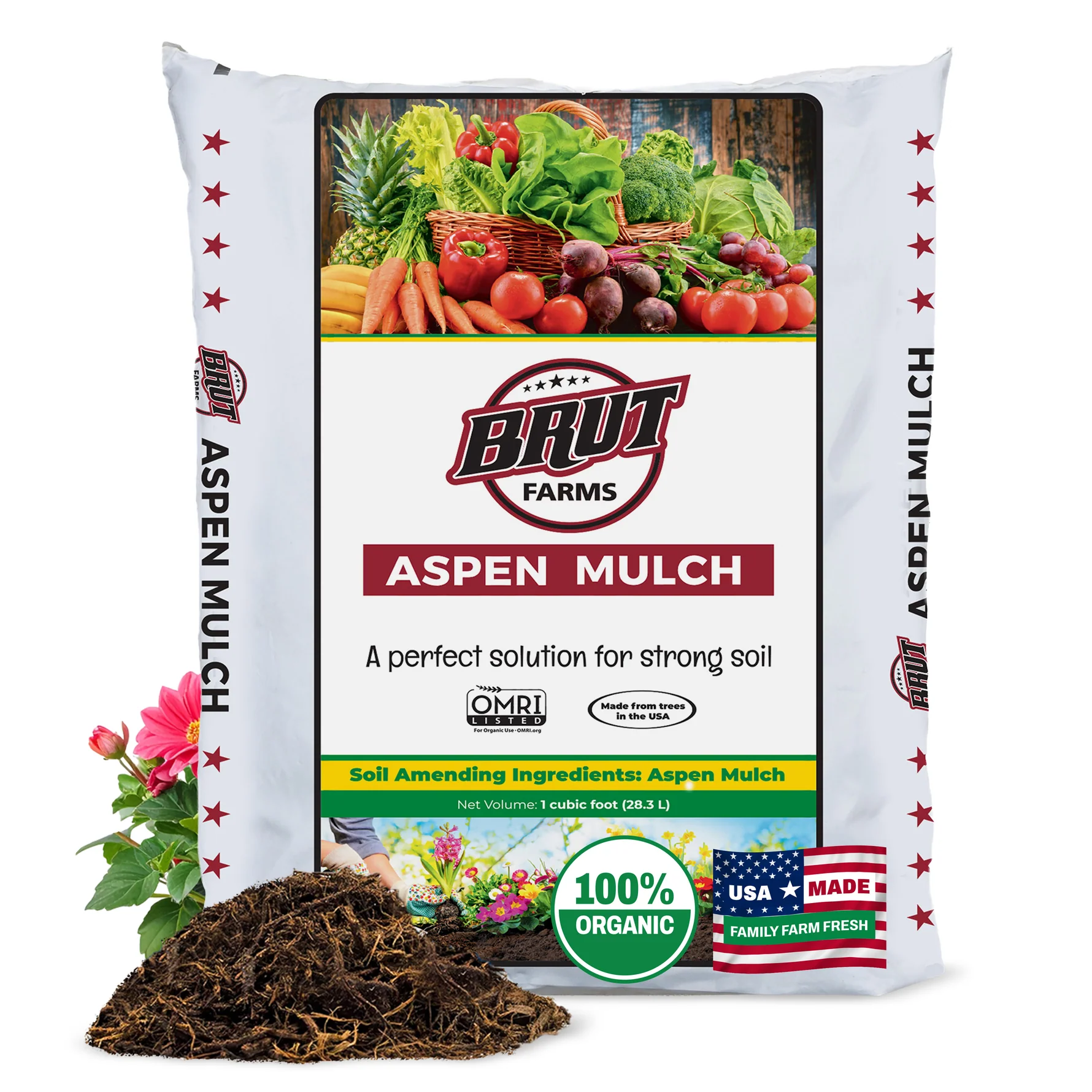
Brut Organic Aspen Mulch creates a clean, polished garden surface while helping minimize weeds naturally. Its high-carbon, odor-free aspen bark supports beneficial soil...
What Not to Do
Do not raise the grade with added soil. Adding 10 to 15 centimeters of soil over the root zone around a tree, to create a raised bed, reduces oxygen availability to the roots beneath. Trees can tolerate a small grade raise directly next to the trunk if a well-built tree well is constructed, but filling the entire root zone area with added soil causes gradual root suffocation and eventual decline over several years.
Do not compact the root zone. Running machinery, piling heavy materials, or even repeated foot traffic over the root zone compresses soil structure and reduces the oxygen availability that roots need. Protect the root zone from compaction during any landscaping project near a tree.
Do not cut large structural roots. Roots over 5 centimeters in diameter near the trunk are structural as well as absorptive: removing them reduces the tree’s ability to anchor itself and opens the root system to decay fungi entry. Consult a certified arborist before cutting any significant root close to the trunk.
What Works Well
Mulch rings are the most beneficial and safest improvement you can make around a tree. Apply 7 to 10 centimeters of organic mulch (wood chips, bark, or composted leaves) in a circle extending to the drip line or beyond, keeping the mulch 15 to 20 centimeters clear of the trunk. The mulch retains moisture, moderates soil temperature, prevents compaction from foot traffic, and feeds soil organisms as it decomposes.
Shade-tolerant ground cover planting installed without digging (using transplants placed into shallow holes rather than beds dug across the root zone) provides a planted effect with minimal root disturbance. Hardy geraniums, epimedium, sweet woodruff, and native woodland species all establish well in the dry shade under trees without intensive soil preparation.