
Eggshells in Compost: Benefits and How to Add Them
Eggshells are a useful compost addition, primarily as a calcium source, but they decompose very slowly compared to most other kitchen scraps. Understanding how they break down and how to prepare them helps you get the most out of them and avoid finding intact shells in your finished compost.
What Eggshells Contribute
Eggshells are composed of approximately 94 percent calcium carbonate, with smaller amounts of magnesium carbonate and calcium phosphate. In finished compost, this calcium becomes available to plants as the shell fragments continue breaking down in soil. Calcium supports cell wall development in plants and is particularly valuable for crops prone to calcium-deficiency disorders such as blossom end rot in tomatoes and tip burn in lettuce.
Eggshells have a very high C:N ratio and contribute no meaningful nitrogen to the pile. They function as a mineral amendment rather than as a green or brown material in the C:N balance sense.
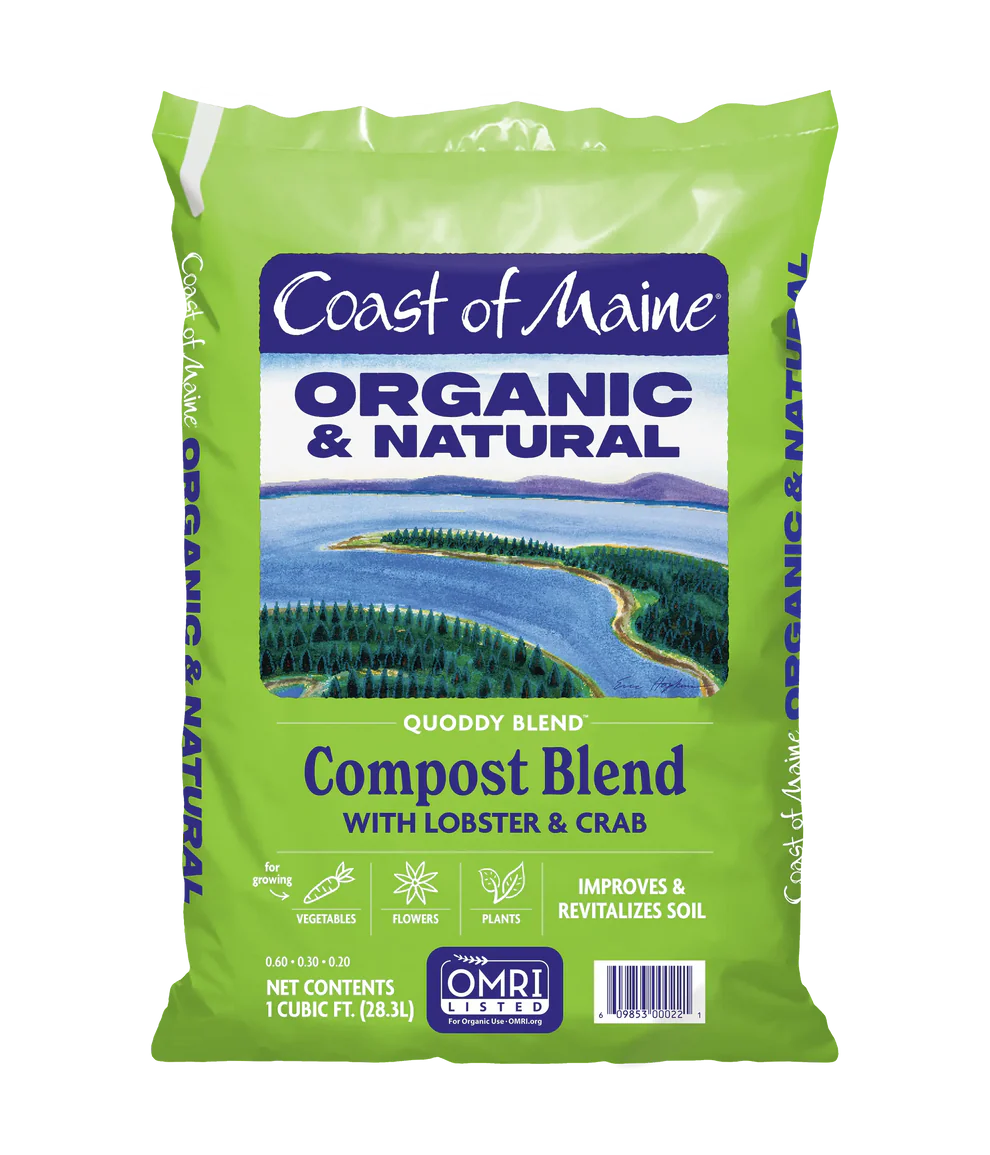
Coast of Maine’s Organic & Natural Quoddy Blend is a premium seafood compost made from lobster and crab shell meal, composted manure, and peat moss to enrich garden soil. It improves soil structure by supporting better drainage, aeration, and water retention for healthier root development. OMRI listed for organic use, it’s a versatile choice for gardens, beds, borders, trees, shrubs, and foliage.
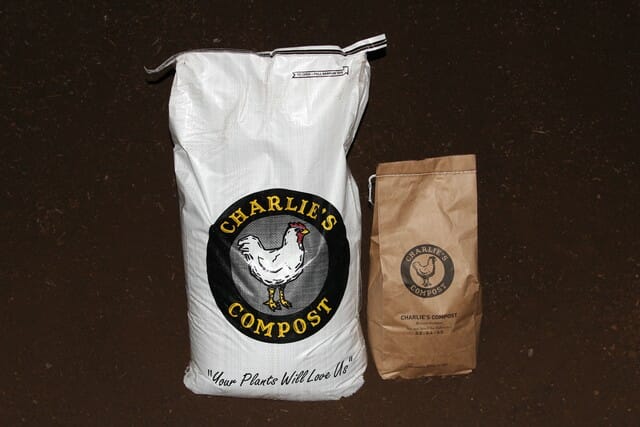
Charlie's Compost is an odor-free organic compost that enriches soil with nutrients and improves soil structure for healthier plant growth. It’s ideal for home gardens, raised beds, containers, and seed starting mixes, and it works as a compost tea ready amendment. The formula supports continuous nutrient release and offers low-odor composting for small-space and indoor-friendly use.
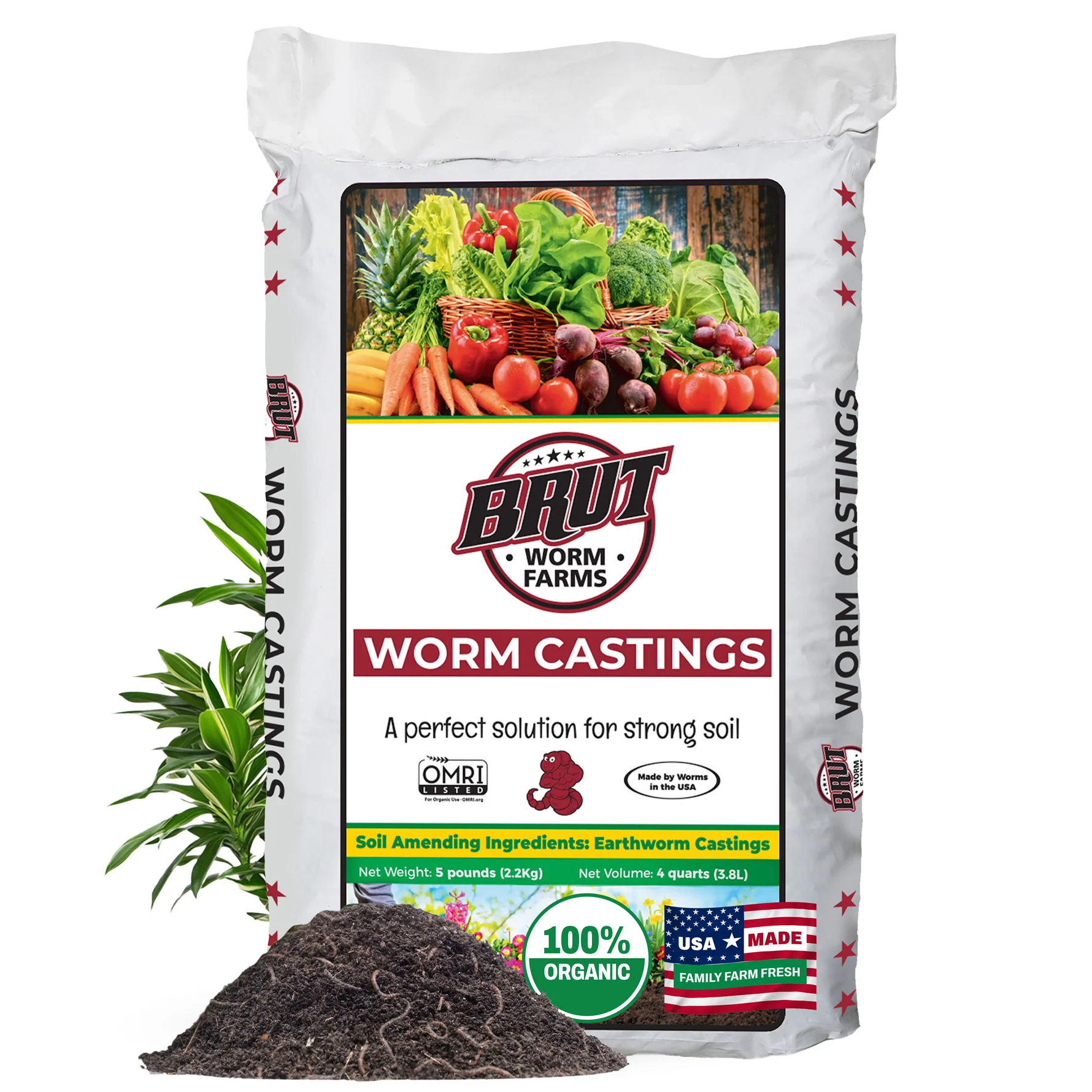
Brut organic worm castings provide mineral-rich, certified organic nutrition to supercharge indoor and outdoor plants. Raised indoors in containers for purity, these castings support lush greenery, vibrant blooms, and bountiful harvests. OMRI and CDFA listed formula helps deliver nature’s nutrients directly to plant roots for healthy growth from root to leaf.
How Slowly Eggshells Break Down
Eggshells are one of the slowest-decomposing materials commonly added to home compost piles. In a cold pile without any preparation, intact eggshells can persist for years. In a hot pile, they break down into smaller fragments but rarely fully dissolve within a single composting cycle.
This is not a problem for the finished compost provided you screen it before use. Eggshell fragments in screened compost continue breaking down once incorporated into soil, releasing calcium as they do.
How to Prepare Eggshells for Faster Breakdown
Crushing eggshells before adding them to the pile significantly increases the surface area available to microbial breakdown and increases the rate at which calcium becomes available. The most effective preparation is to crush shells as finely as possible, ideally to a powder-like consistency. A simple method is to collect shells in a bag and roll over them with a rolling pin, or to dry them briefly in the oven and then crush them.
Rinsing shells before adding them removes any egg white residue, which in a worm bin can cause protein-related odors. In an outdoor pile this is less critical, but rinsed shells are tidier to store.
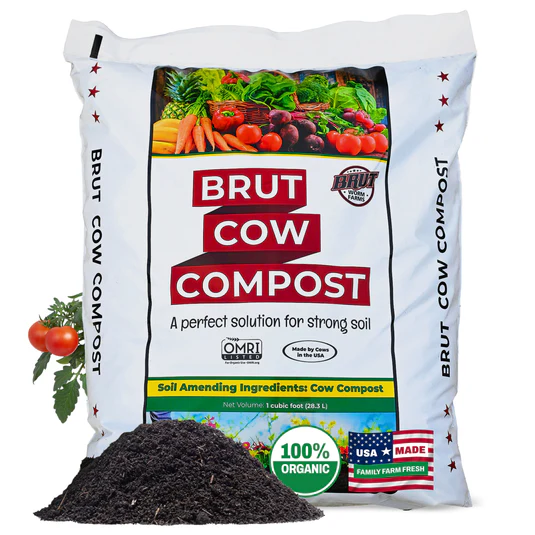
Brut Cow Compost is a nutrient-rich organic soil amendment made from 100% pure, thoroughly composted cow manure. It enriches soil with nitrogen, calcium, and iron, supports beneficial microbial life, and helps plants produce stronger growth. Odor-free and gentle on roots, it can be used for vegetables, flowers, lawns, shrubs, and indoor plants as a top dressing or mixed into garden and potting soil.
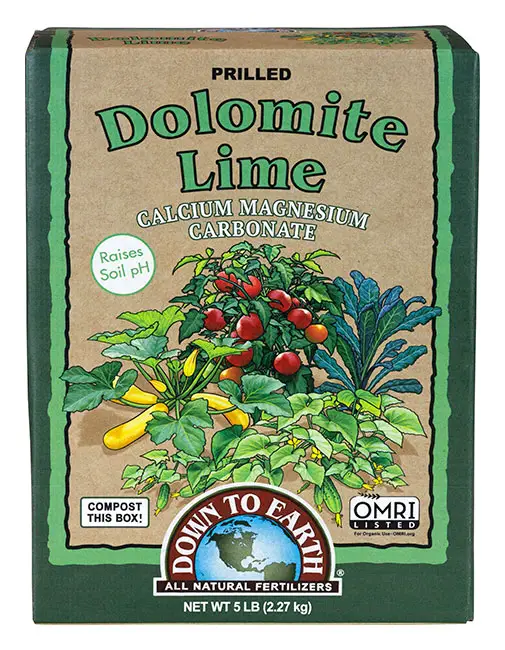
Down To Earth Organic Prilled Dolomite Lime helps raise acidic soil pH for better nutrient uptake and healthier vegetable gardens. Its rich calcium and magnesium support strong cell walls, root growth, and overall plant performance. OMRI listed for organic use, the prilled granules spread easily and act quickly while improving soil structure and microbial activity.
Volume Considerations
Eggshells represent a minor input by volume in most households. The calcium they provide is useful but not transformative in a well-managed pile with diverse inputs. Collecting and adding them is worthwhile as a long-term mineral contribution, but composting eggshells is not something that needs to be optimized beyond the basic crush-and-add approach.