
Compost Not Breaking Down? How to Restart a Stalled Pile
A compost pile that is not decomposing is almost always missing one of four things: nitrogen, moisture, oxygen, or sufficient pile mass to generate heat. Identifying which variable is responsible takes about five minutes of observation, and most stalls can be corrected within 48 hours with the right adjustment.
Step 1: Check the C:N Ratio
A pile that is almost entirely browns, such as a pile of autumn leaves or shredded cardboard that received very little kitchen or green material, is nitrogen-deficient. The microorganisms have carbon as fuel but cannot grow without nitrogen to synthesize proteins. Decomposition proceeds extremely slowly or stops entirely.
Signs: Material looks unchanged over weeks or months. The pile feels light and dry rather than dense and moist. No smell or warmth when you push a hand into the center.
Fix: Add nitrogen-rich green material in layers throughout the pile: fresh grass clippings, vegetable scraps, coffee grounds, or a small amount of blood meal or alfalfa meal for a fast-acting nitrogen boost. Turn the pile to mix greens thoroughly into the existing material. Reheating should occur within 24 to 48 hours in mild to warm weather.
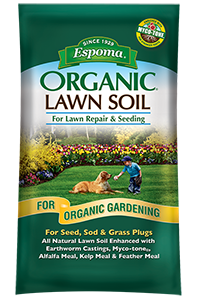
Espoma Organic Lawn Soil is an all-natural organic soil mix designed to promote seed germination and help new sod establish. It contains earthworm castings, alfalfa meal, kelp meal, and feather meal, enhanced with Espoma MYCO-TONE, a blend of endo and ecto mycorrhizae fungi. Use it anytime you sow new grass seed or install sod for organic gardening results with no synthetic plant foods or chemicals.
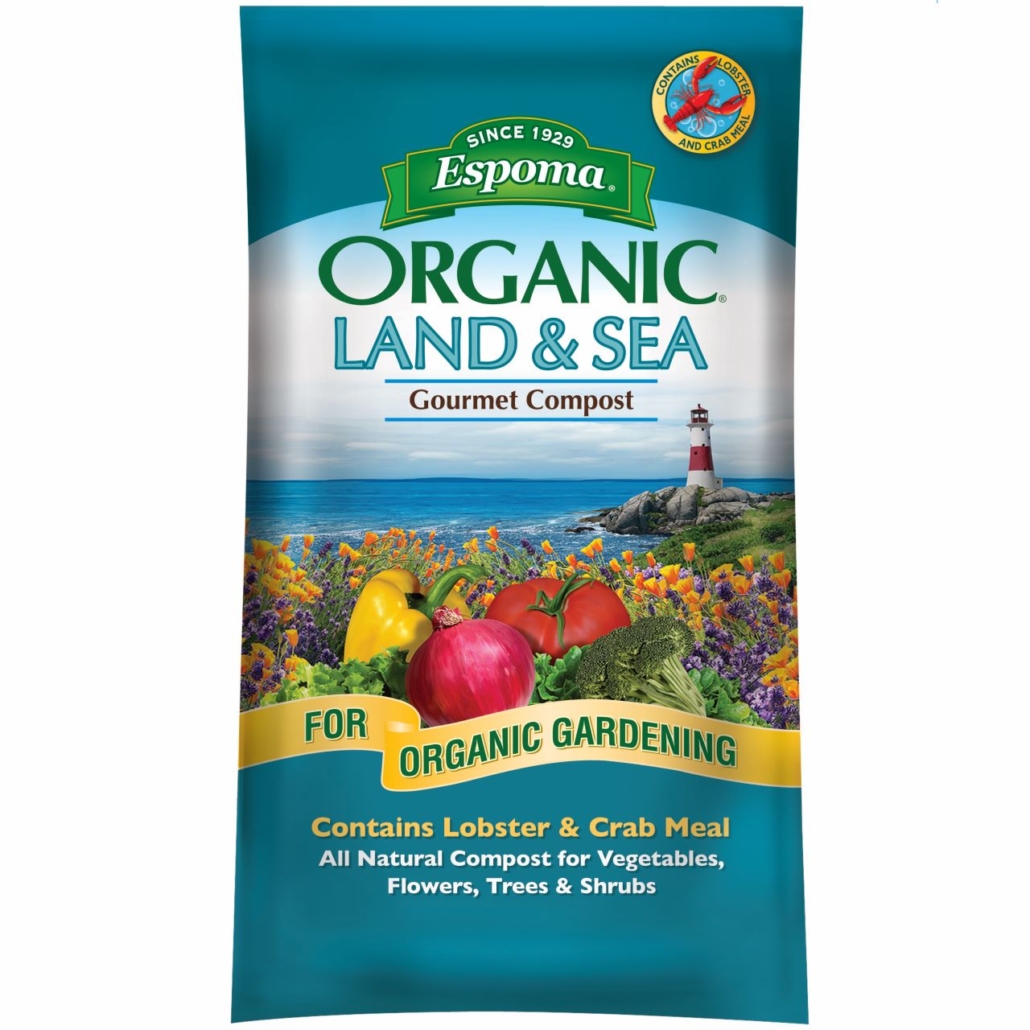
Espoma Organic Land and Sea Gourmet Compost is a rich organic planting mix designed to improve native soil and revitalize container gardens. Enriched with both lobster and crab meal, it supports healthy growth for vegetables, flowers, trees, and shrubs. The blend also includes myco-tone endo and ecto mycorrhizae and contains no synthetic plant foods or chemicals.
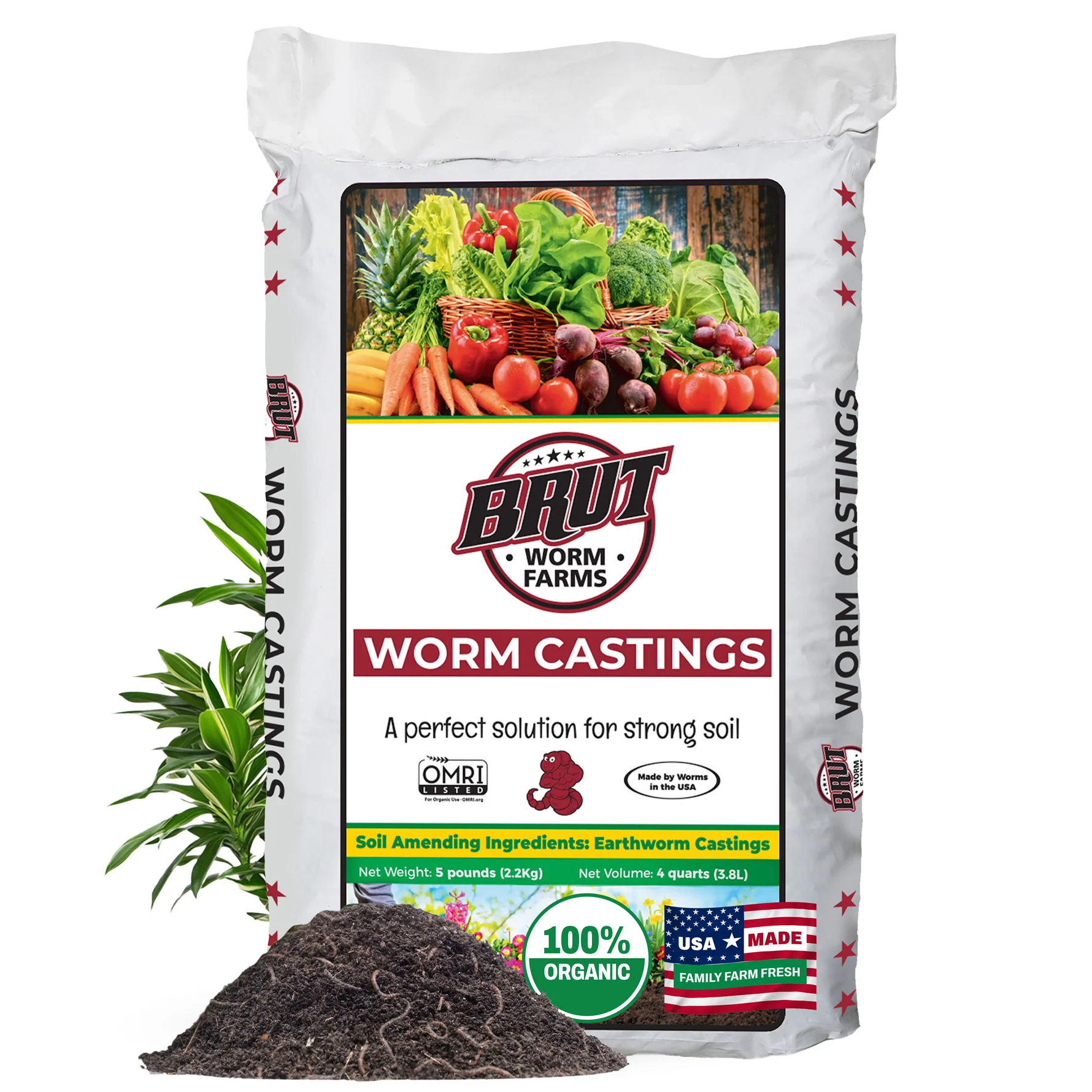
Brut organic worm castings provide mineral-rich, certified organic nutrition to supercharge indoor and outdoor plants. Raised indoors in containers for purity, these castings support lush greenery, vibrant blooms, and bountiful harvests. OMRI and CDFA listed formula helps deliver nature’s nutrients directly to plant roots for healthy growth from root to leaf.
Step 2: Check Moisture
Microorganisms need water to function. A pile that has dried out will stop decomposing regardless of C:N balance.
Signs: Material crumbles when squeezed and produces no moisture. The pile feels dusty when you push a fork through it. No warmth in the interior.
Fix: Soak the pile thoroughly by watering as you turn. Aim for the moisture level of a wrung-out sponge: damp throughout but not dripping. Covering the pile with a tarp between turnings helps retain moisture in dry or windy conditions. Rehydration restarts decomposition within a few days in warm weather.
Step 3: Check Oxygen Supply
A compacted pile excludes oxygen and goes anaerobic. Anaerobic decomposition is much slower than aerobic, and it produces odors as a byproduct.
Signs: Material is dense and heavy, hard to get a fork through. The pile smells of sulphur or sourness. No warmth in the interior despite adequate moisture.
Fix: Turn the pile thoroughly, breaking up all compacted sections. Add coarse brown material (wood chips, torn cardboard) to create air channels as you rebuild. Ensure the pile is not covered tightly or enclosed in a container that restricts airflow. A good turning in an oxygen-depleted pile should restart aerobic activity within 24 hours.
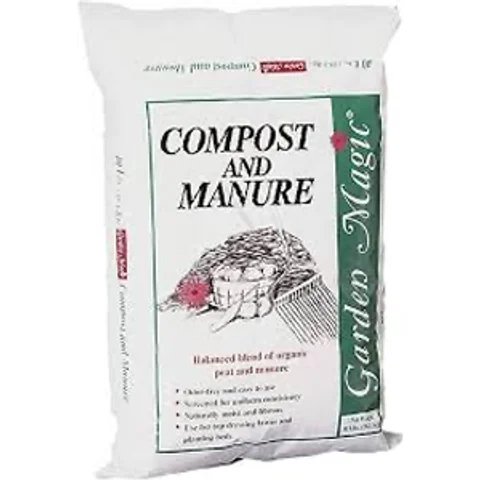
Enhance soil nutrition and garden vitality with this organic peat compost and manure blend designed for lawns and raised beds. The odor-free, ready-to-use mixture combines reed sedge peat and composted animal manure to support healthy growth for flowers, vegetables, and grass. Ideal for improving potting soil in planters or container gardening projects, each bag provides ample coverage for small-scale planting needs.
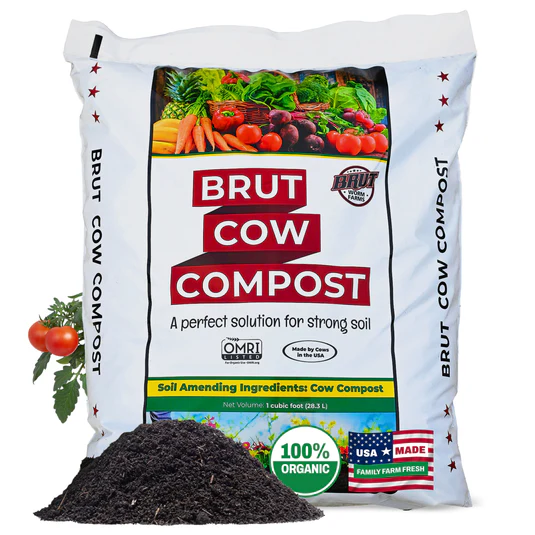
Brut Cow Compost is a nutrient-rich organic soil amendment made from 100% pure, thoroughly composted cow manure. It enriches soil with nitrogen, calcium, and iron, supports beneficial microbial life, and helps plants produce stronger growth. Odor-free and gentle on roots, it can be used for vegetables, flowers, lawns, shrubs, and indoor plants as a top dressing or mixed into garden and potting soil.
Step 4: Check Pile Size
A pile below the minimum working size of approximately one cubic yard (3 feet x 3 feet x 3 feet) lacks the thermal mass to generate and retain the heat needed for active thermophilic composting. It may still decompose as a cold pile, but slowly.
Signs: Pile is visibly small. Material is cool throughout regardless of C:N balance and moisture level.
Fix: Add more material to bring the pile up to working size. Store material in bags or a temporary bin until you have enough to build a proper batch pile. Combining the stalled pile with a new batch of balanced material is often the most practical solution.
Is a Stalled Pile Ruined?
A stalled pile is never ruined. Material that has sat without obvious decomposition for weeks or months will resume breaking down once the limiting variable is corrected. It is not necessary to start over: correct the deficiency, turn the pile, and give it 48 to 72 hours to respond before reassessing.