
What Is Mushroom Compost and When Should You Use It?
Mushroom compost is a byproduct of commercial mushroom cultivation, not a compost product in the conventional sense. It is the spent growing substrate that has been used to cultivate mushrooms and is no longer productive for that purpose. Despite the name, it has a different composition and application profile from standard garden compost, and understanding the difference helps you use it appropriately.
What Mushroom Compost Contains
The composition of mushroom compost varies depending on the mushroom species grown and the growing substrate used, but common ingredients include wheat straw, hay, cottonseed meal, corn cobs, peat moss, lime, gypsum, and in some formulations poultry manure or other nitrogen sources. After mushroom cultivation, this substrate has been through a pasteurization process and partially decomposed by the mushroom mycelium.
Typical mushroom compost is high in organic matter, has relatively high pH (often 7.0 to 8.0 due to lime and gypsum content), is moderate in soluble salts, and has lower available nitrogen compared to a well-made general garden compost. Some formulations can be high in soluble salts immediately after harvest; most commercial mushroom compost is left to age or “weather” before sale to reduce salt levels.
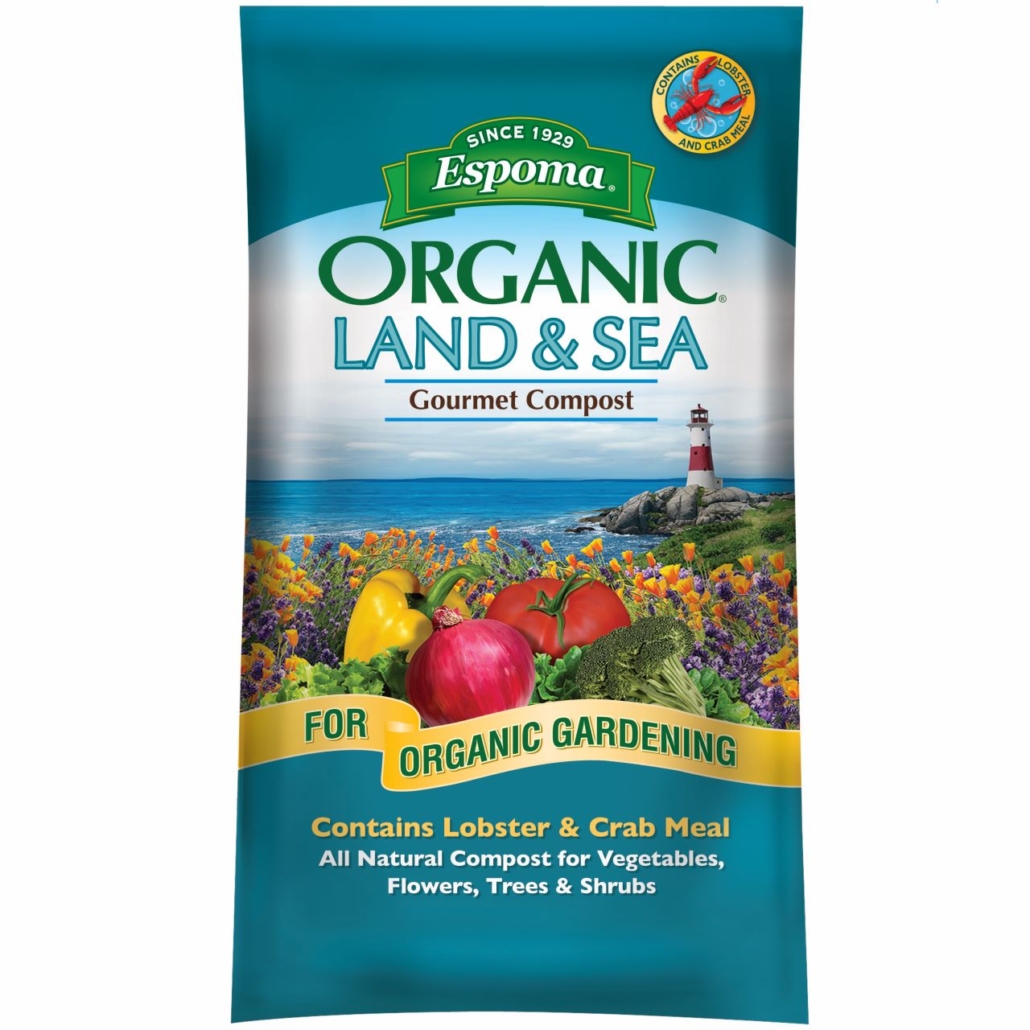
Espoma Organic Land and Sea Gourmet Compost is a rich organic planting mix designed to improve native soil and revitalize container gardens. Enriched with both lobster and crab meal, it supports healthy growth for vegetables, flowers, trees, and shrubs. The blend also includes myco-tone endo and ecto mycorrhizae and contains no synthetic plant foods or chemicals.
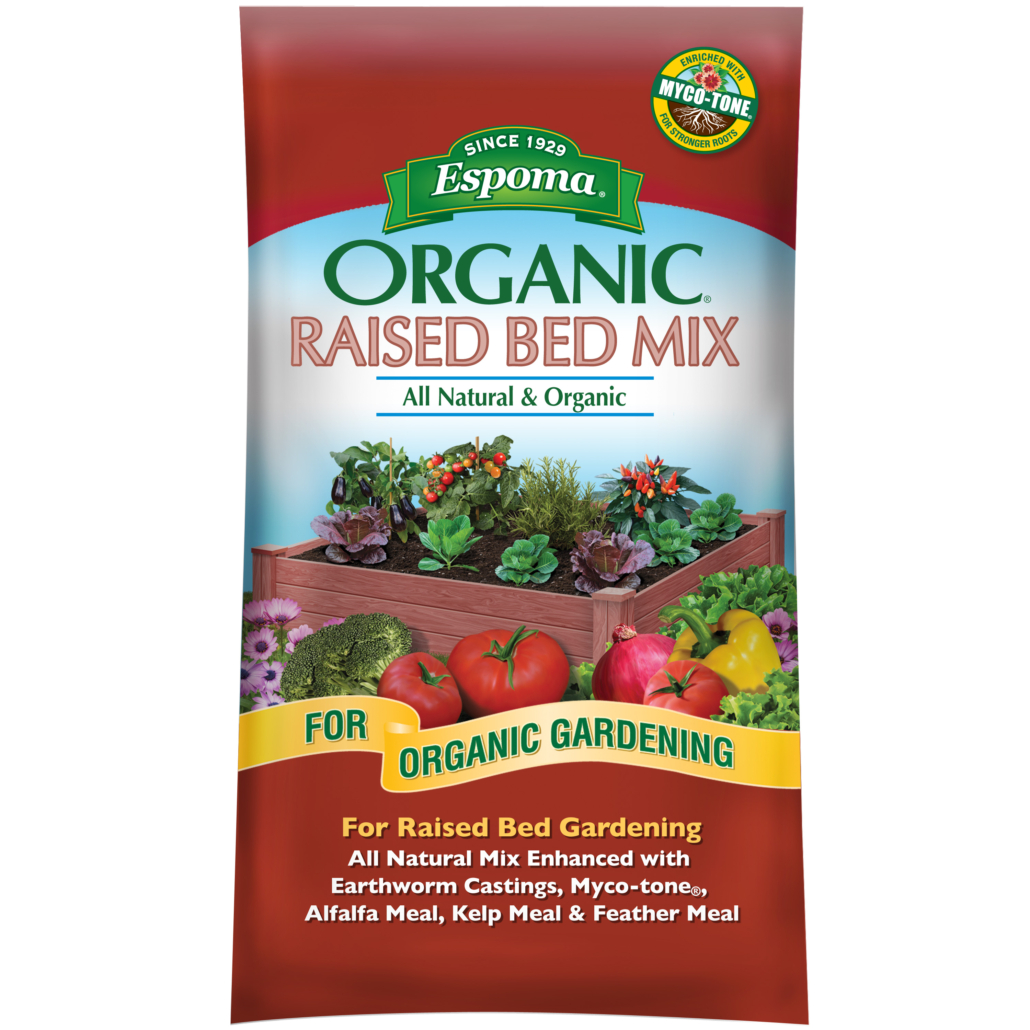
Espoma Organic Raised Bed Mix is an all-natural potting soil blend designed for raised garden beds and outdoor containers. It’s enriched with earthworm castings and organic meals for strong, healthy plant growth, plus MYCO-TONE with endo and ecto mycorrhizae. This ready-to-use mix contains no synthetic plant foods or chemicals, making it ideal for organic gardening.
Espoma Organic Lawn Soil is an all-natural organic soil mix designed to promote seed germination and help new sod establish. It contains earthworm castings, alfalfa meal, kelp meal, and feather meal, enhanced with Espoma MYCO-TONE, a blend of endo and ecto mycorrhizae fungi. Use it anytime you sow new grass seed or install sod for organic gardening results with no synthetic plant foods or chemicals.
Where Mushroom Compost Works Well
Mushroom compost is an excellent soil structure amendment and organic matter source for neutral to slightly acidic garden soils. Its high organic matter content improves drainage in clay soils and water retention in sandy soils in the same way as standard compost. The near-neutral to slightly alkaline pH makes it appropriate for most vegetable crops and ornamentals, and particularly useful for brassicas, asparagus, and other crops that tolerate or prefer alkaline conditions.
It is a good choice as a general soil conditioner, used as a top-dressing or incorporated into beds in the same way as standard compost, at similar application rates. Its slightly higher pH can be beneficial in acidic soils but is a drawback in soils that are already neutral or alkaline.
Where Mushroom Compost Is Not Appropriate
Acid-loving plants such as blueberries, azaleas, rhododendrons, and camellias are not suited to mushroom compost as a growing medium or bed amendment because its alkaline pH suppresses these plants. Using mushroom compost around acid-loving plants pushes the soil pH away from the range these species need.
Fresh mushroom compost with high soluble salt content can cause osmotic stress in seedlings and young transplants. If you are using mushroom compost in a seedling or transplanting context, confirm that it has been adequately aged or weathered before application, or dilute it with standard compost or garden soil.
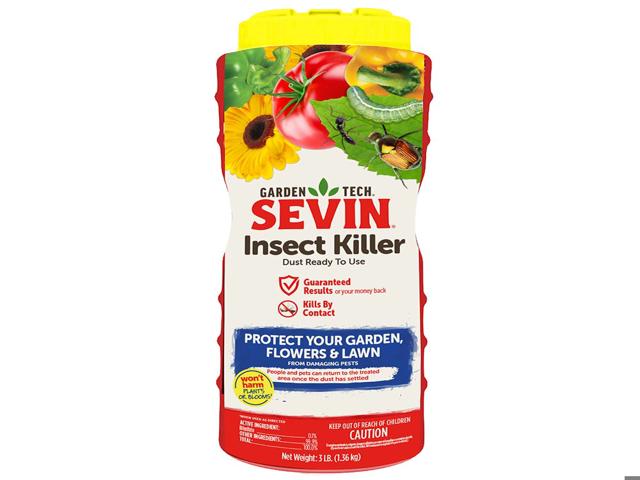
Sevin Insect Killer Dust helps protect flowers and lawn from listed damaging pests with a ready-to-use, shake-and-apply formula. It kills more than 150 insects by contact and creates a protective barrier when applied to leaves, stems, and flowers at the label rate. It won’t harm plants or blooms, and people and pets may return once the dust has settled.
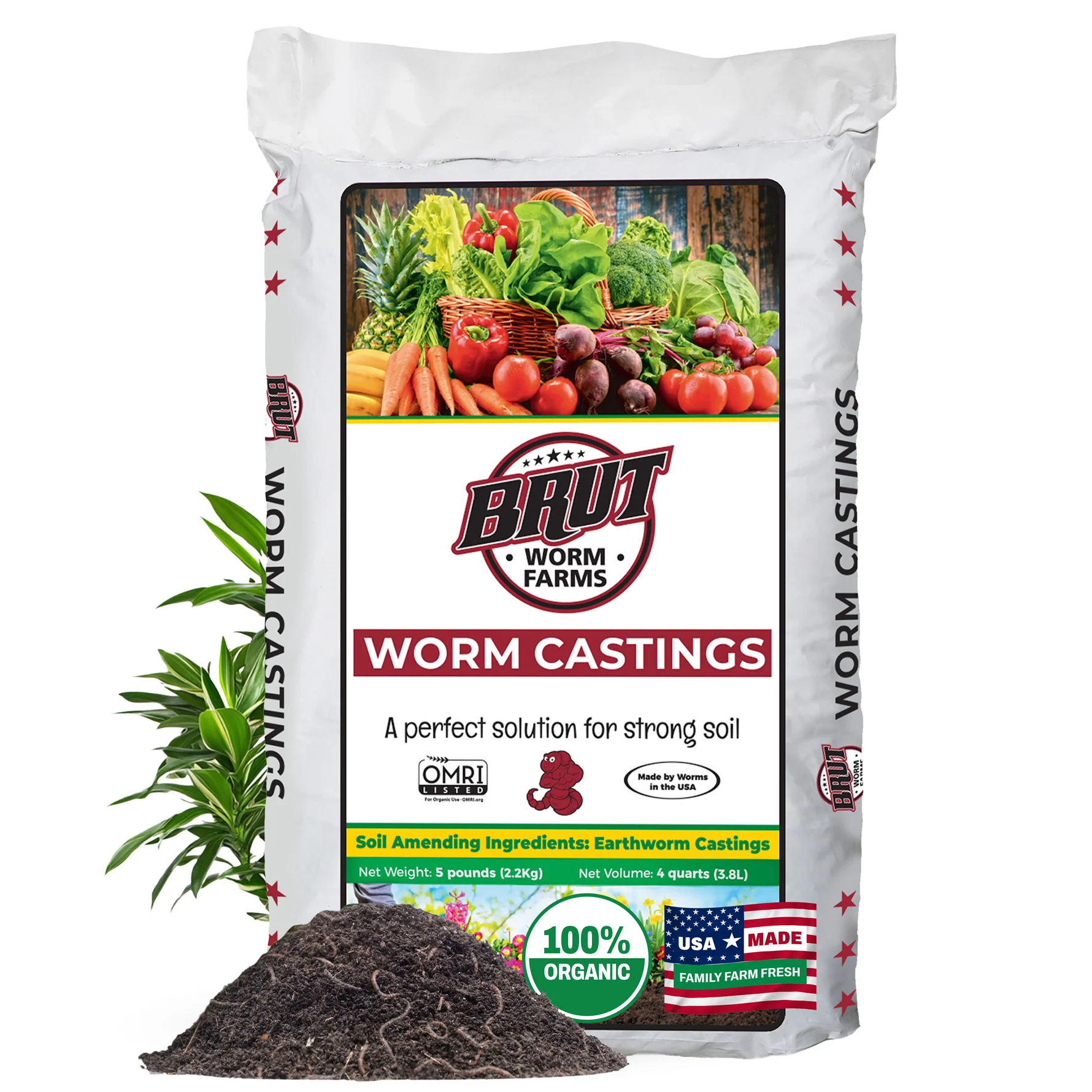
Brut organic worm castings provide mineral-rich, certified organic nutrition to supercharge indoor and outdoor plants. Raised indoors in containers for purity, these castings support lush greenery, vibrant blooms, and bountiful harvests. OMRI and CDFA listed formula helps deliver nature’s nutrients directly to plant roots for healthy growth from root to leaf.
Mushroom Compost vs Standard Compost
Mushroom compost is not a nutritional substitute for a general garden compost but it is an effective organic matter amendment. In most garden soil improvement contexts, mushroom compost can be used interchangeably with standard compost, with the caveat about pH noted above. For beds supporting acid-loving plants, standard compost or compost blended with acidifying materials is a better choice.