
Can You Use Too Much Fuel Stabilizer?
The short answer is yes, but the threshold is much higher than most homeowners will accidentally reach, and the consequences of moderate over-dosing are mild compared with the consequences of using too little. Understanding what fuel stabilizer does and how the dosage relationship works puts the overcautious instinct to “add a bit extra for good measure” in context.
What Happens at a Moderate Overdose
Most fuel stabilizers specify a dose of approximately 1 ounce per 2.5 gallons (STA-BIL) or 1 ounce per gallon (Sea Foam). Some manufacturers allow a double dose for longer storage periods. Exceeding the label dose by a moderate amount, say 50 to 100 percent more than the specified rate, does not cause acute harm to the engine. The stabilizer additive package at that concentration level remains diluted enough in the fuel to combust along with the gasoline without leaving significant deposits. The main consequence is slightly higher cost per application, not engine damage.
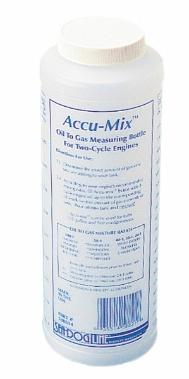
Sea Dog Accu-Mix helps you accurately measure the correct oil-to-gas mixture for 2-cycle engines. The see-through bottle shows multiple mix ratios, including 24:1, 33:1, 40:1, 50:1, and 100:1, so you can measure in both liters and gallons. This reduces guesswork and helps ensure your crew mixes fuel correctly every time.
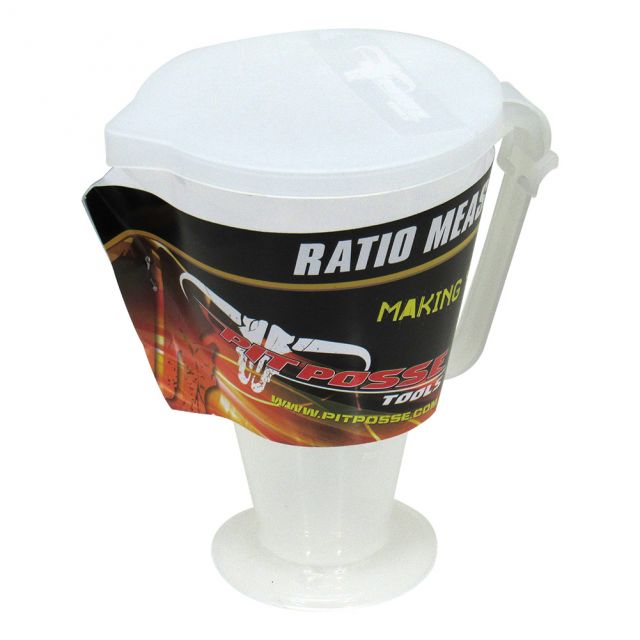
Pit Posse PP3318 is a racing utility measuring cup designed to mix 2-stroke oil and other engine fluids to accurate ratios. It features readable CC and ounce marks plus a 16:1 to 70:1 premix scale to remove guesswork and help you add the right amount quickly. A durable polyurethane jug with a debris-preventing cap and spill-resistant lid helps keep mixtures clean and easier to stir or shake for an even blend.
What Happens at a Large Overdose
At very high concentrations, significantly exceeding the recommended dose, fuel stabilizer can begin to affect fuel combustion and alter the combustion mixture. Sea Foam in particular, at very high concentrations used directly in the carburetor as a cleaning treatment (a legitimate use), can temporarily cause rough running or smoke as it burns through heavy deposits. This is a normal cleaning reaction in that context and is not harmful to the engine. In the fuel tank at high but not extreme concentrations, rough running from an over-concentrated fuel stabilizer is theoretically possible but is not commonly reported in practice at the concentrations most homeowners would accidentally reach.
The More Common Error Is Too Little
Under-dosing fuel stabilizer is a more common and more consequential mistake than over-dosing. A tank of fuel treated with half the recommended dose receives less antioxidant protection than the label provides for the storage duration. Over a four to five month winter storage period, under-treated fuel can partially degrade and leave gum deposits in the carburetor that cause starting problems in spring. The STA-BIL vs Sea Foam guide covers the correct dosage for each product and the storage period each dose level is calibrated for.
Best Practice
Measure the stabilizer dose using the measuring cap or a kitchen measuring spoon rather than pouring directly from the bottle. Add the measured dose to fresh fuel, not to fuel that has already been in the tank for several weeks. Add the stabilizer to the tank, then top up with fresh fuel to dilute and mix the stabilizer throughout the tank. Run the engine for five minutes to draw stabilized fuel through the carburetor before storage. This sequence produces consistent results and eliminates the guesswork that leads to either over or under-dosing.
For the full seasonal storage procedure, including the steps beyond fuel stabilization (cylinder fogging, spark plug inspection, air filter cleaning), see the how to winterize outdoor power tools guide.